
Leadership – Iran’s Supreme Leader Governs in Secrecy After Airstrike Injuries
Leadership – Iran’s newly installed Supreme Leader, Mojtaba Khamenei, is reportedly operating from a concealed location while recovering from serious injuries sustained in a joint United States and Israeli airstrike, according to a detailed report citing senior officials and insiders.
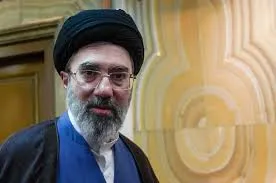
Leader’s Condition Raises Concerns
Sources familiar with the situation indicate that Khamenei suffered extensive physical trauma during the February 28 strike on his family residence, an attack that allegedly resulted in the deaths of close relatives. Since then, he has remained out of public view, relying on a tightly controlled medical team for treatment and recovery. Reports suggest that his injuries include severe facial burns that have impaired his ability to speak publicly, along with multiple surgeries on his leg and ongoing rehabilitation for a damaged hand.
Medical support is said to involve highly trusted personnel, including individuals with surgical expertise, as his condition continues to require close monitoring. While officials claim his mental clarity remains intact, his physical limitations have significantly reduced his direct engagement with state affairs.
Communication Through Secrecy
Security concerns appear to be shaping how the Supreme Leader communicates with his inner circle. To avoid detection by foreign intelligence agencies, direct meetings are reportedly avoided. Instead, messages are delivered through a carefully structured network of couriers transporting handwritten notes across indirect routes.
This unusual communication system reflects heightened fears about surveillance and targeted operations. It has also created a barrier between the leader and senior policymakers, limiting real-time interaction and slowing decision-making processes.
Military Influence Expands
The current circumstances have led to a notable shift in Iran’s governance structure. With Khamenei unable to actively manage daily affairs, authority has increasingly moved toward senior figures within the Islamic Revolutionary Guard Corps. Analysts describe this transition as a move toward a system where military leadership plays a dominant role in shaping national policy.
Several influential commanders, many of whom share longstanding ties with Khamenei from earlier periods of conflict, are now central to strategic decisions. Their influence is said to extend across political, security, and economic domains, effectively positioning them as key drivers of the country’s direction.
Political Balance Under Strain
The evolving power dynamics appear to be affecting Iran’s broader political framework. Civilian leadership, including elected officials, has reportedly found its influence reduced as military voices take precedence. Attempts to focus on economic recovery and diplomatic engagement have faced resistance, particularly in matters involving international negotiations.
Recent developments suggest that key decisions on foreign policy are being shaped more by security considerations than economic priorities. This has reportedly led to the suspension of certain diplomatic efforts, despite ongoing economic challenges facing the country.
A Changing Governance Model
Observers note that Iran may be entering a phase where collective leadership replaces the traditional model centered on a single religious authority. The Supreme Leader retains formal authority, but practical control appears increasingly distributed among a small group of powerful military figures.
This shift reflects both the immediate impact of Khamenei’s health condition and broader structural changes within the country’s leadership. While his recovery continues, the balance of power remains tilted toward those managing state affairs on his behalf.
Future Uncertainty
The long-term implications of this arrangement remain unclear. Much will depend on Khamenei’s recovery and his ability to reassert direct control. For now, governance appears to function through a coordinated but centralized military-led framework, raising questions about the future direction of both domestic and foreign policy.
As Iran navigates internal adjustments and external pressures, the current situation underscores the fragile intersection of leadership health, security concerns, and political authority.