
Diplomacy – Pope Leo XIV Calls for Dialogue and Human Dignity
Diplomacy – Pope Leo XIV has urged renewed diplomatic engagement between the United States and Iran while strongly reiterating the moral opposition to capital punishment, during an in-flight press interaction following his recent visit to Africa. His remarks touched on war, migration, human dignity, and internal debates within the Catholic Church.
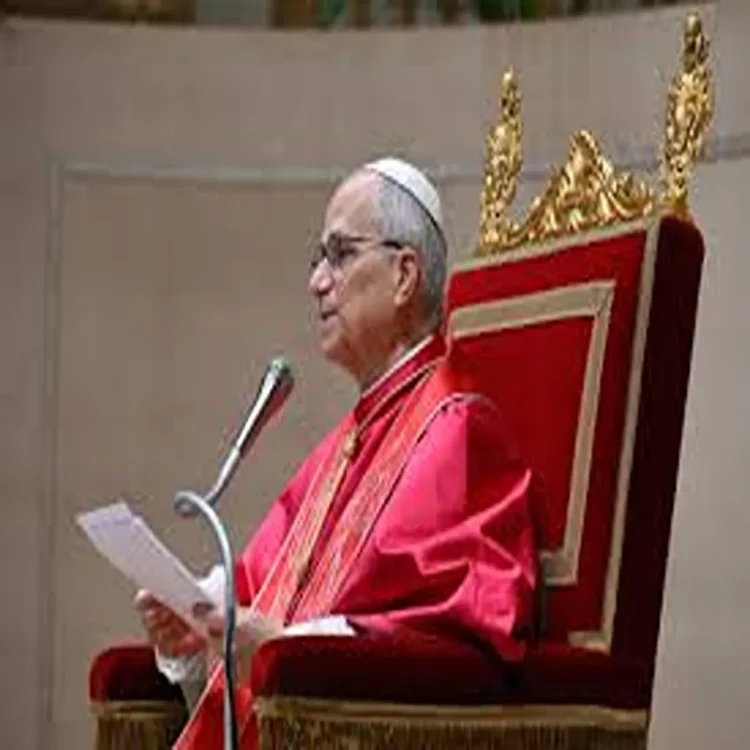
Call for Dialogue Over Conflict
Reflecting on ongoing tensions involving Iran, the Pope appealed for a return to negotiations rather than continued confrontation. He emphasized that the central issue is not regime change but how nations can uphold shared values without further loss of innocent lives. According to him, conflicts should be addressed through understanding and cooperation rather than violence.
The pontiff also shared a personal moment, revealing that he carries an image of a young Lebanese boy killed in recent regional violence. The child had once welcomed him during a visit, making the loss deeply symbolic for him. He reiterated that, as a spiritual leader, he cannot support war and instead advocates for solutions grounded in peace and mutual respect.
Firm Stand Against Capital Punishment
During the discussion, Pope Leo XIV clearly condemned capital punishment, describing it as incompatible with respect for human life. He stated that every individual deserves dignity from the beginning of life until natural death. Any decision by a state that unjustly takes a life, he added, should be openly criticized.
His stance aligns with the Church’s broader teaching that rejects the death penalty in all circumstances. The Pope framed this issue within a wider moral perspective, stressing that justice must always preserve human dignity rather than undermine it.
Migration and Responsibility of Nations
On the issue of migration, the Pope acknowledged that countries have the authority to regulate their borders. However, he warned against policies that strip migrants of their humanity. He noted that migrants often face harsh conditions in destination countries, sometimes worse than those they left behind.
He also pointed to a deeper global imbalance, questioning whether wealthier nations are doing enough to improve conditions in less developed regions. Addressing the root causes of migration, he suggested, would reduce the need for people to leave their homes in the first place. Regardless of policy decisions, he insisted that migrants must always be treated with dignity and compassion.
Church Unity and Moral Priorities
The Pope was also asked about ongoing debates within the Church, particularly regarding blessings for same-sex couples. He clarified that while informal blessings may be permitted, formalized rituals are not supported by the Vatican.
More broadly, he expressed concern that discussions about morality within the Church have become overly focused on sexual issues. He argued that topics such as justice, equality, and freedom—both social and religious—deserve greater attention. According to him, these wider concerns are essential to maintaining unity within the Church and addressing real-world challenges.
A Measured Approach to Global Leadership
Pope Leo XIV also reflected on how his recent African visit had been portrayed. While some expected stronger public criticism of political leaders, he explained that his approach is often guided by diplomacy and quiet engagement. Subtle messaging and private dialogue, he suggested, can sometimes achieve more meaningful results than public condemnation.
He highlighted that symbolic moments during his trip—such as interactions with prisoners or witnessing stark economic contrasts—often communicate powerful messages without the need for strong rhetoric. His primary mission, he said, remains pastoral: to support communities in their faith and encourage hope.
Balancing Faith and Global Challenges
The Pope’s remarks present a consistent message centered on peace, human dignity, and responsible leadership. By addressing both global conflicts and internal Church debates, he signaled a broader vision that prioritizes unity and compassion over division.
His call for dialogue, fairness, and respect reflects an effort to navigate complex global issues while remaining rooted in moral principles. As international tensions continue and social debates evolve, his emphasis on understanding and cooperation offers a perspective aimed at long-term stability and harmony.