
Diplomacy – Iran Rebukes Trump Over Remarks on India and China
Diplomacy – Tensions briefly surfaced on the diplomatic front after Iran strongly criticized former US President Donald Trump for sharing a video that described India and China in derogatory terms. The remarks, which surfaced amid an ongoing debate in the United States over birthright citizenship, prompted swift reactions from both Iranian officials and Indian authorities.
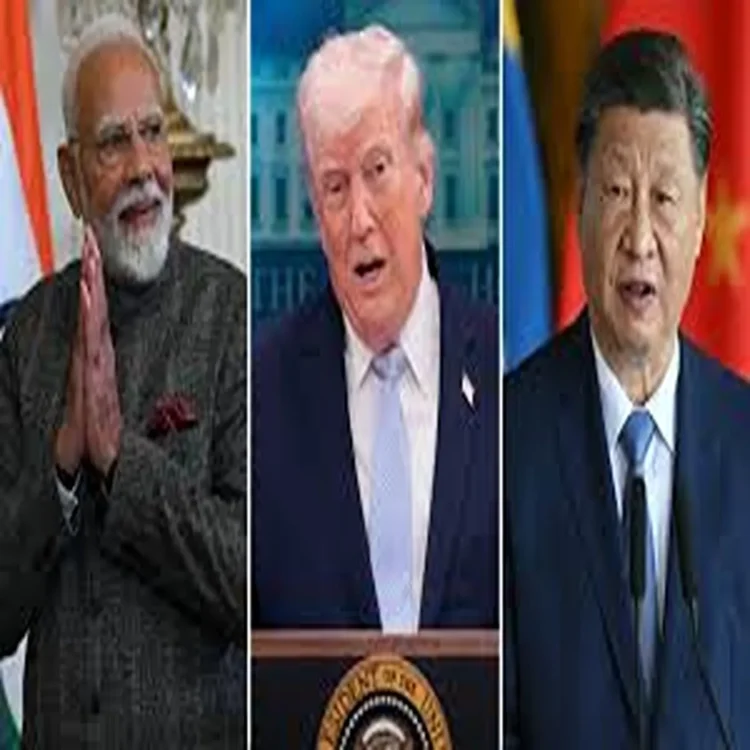
Iran Responds With Sharp Criticism
Iran’s Consulate General in Hyderabad publicly defended India and China, describing them as among the world’s oldest and most influential civilizations. In a statement shared on social media, the consulate rejected the language used in the video and emphasized the historical and cultural significance of both nations.
The post also took aim at Washington, suggesting that such comments reflect poorly on those who make them rather than the countries being criticized. Iran’s diplomatic mission in Mumbai echoed similar sentiments, highlighting India’s cultural richness and suggesting that critics should experience the country firsthand before forming judgments.
Controversial Video Sparks Debate
The controversy began after Trump reposted a video featuring conservative commentator Michael Savage. In the clip, Savage criticized the concept of birthright citizenship in the United States, arguing that it allows misuse of immigration laws.
During his commentary, Savage referred to India, China, and several other countries using offensive language. He also made sweeping claims about immigrants, alleging that individuals from these nations exploit legal loopholes to secure US citizenship for their children.
The video originally aired on Savage’s program and was later circulated online through accounts associated with Trump’s digital presence. It quickly gained attention, drawing criticism from multiple quarters for its tone and generalizations.
Concerns Over Immigration Narrative
Savage’s remarks focused heavily on birthright citizenship, a long-standing legal principle in the United States that grants citizenship to anyone born on American soil. He argued that some immigrants travel to the US specifically to give birth, thereby securing citizenship for their children and potentially enabling extended family migration in the future.
These claims have been part of a broader political debate in the US, but critics say the language used in the video crossed a line by targeting entire nations and communities.
India Registers Strong Objection
The Indian government responded firmly to the remarks. Officials described the comments as inappropriate and lacking a proper understanding of India’s global standing and its relationship with the United States.
External Affairs Ministry spokesperson Randhir Jaiswal stated that such remarks do not reflect the true nature of India-US ties, which are built on mutual respect, shared democratic values, and growing strategic cooperation. He also noted that the comments were not in line with the broader spirit of engagement between the two countries.
US Attempts to Ease Tensions
Following the backlash, US representatives sought to clarify the situation. A message circulated indicating that Trump regards India as an important partner and maintains a positive personal rapport with its leadership.
The clarification appeared to be an attempt to limit diplomatic fallout and reassure India of the strength of bilateral relations. Analysts noted that while such statements may help contain immediate tensions, the episode highlights the sensitivity surrounding public rhetoric in international affairs.
Broader Implications for Diplomacy
The incident underscores how quickly remarks made in domestic political contexts can have international repercussions. With global relationships becoming increasingly interconnected, statements about other countries—especially major economies like India and China—often draw close scrutiny.
Diplomatic observers point out that respectful communication remains essential for maintaining stable international partnerships. Episodes like this serve as reminders of the importance of measured language, particularly when addressing issues that involve multiple nations and communities.