
Politics – RSS Leader Highlights Cultural Identity and Dialogue Approach in US Address
Politics – Rashtriya Swayamsevak Sangh General Secretary Dattatreya Hosabale shared insights into the organisation’s grassroots work and ideological outlook during an interaction at Hudson University in Washington DC, offering a detailed explanation of its structure, values, and approach to social cohesion.
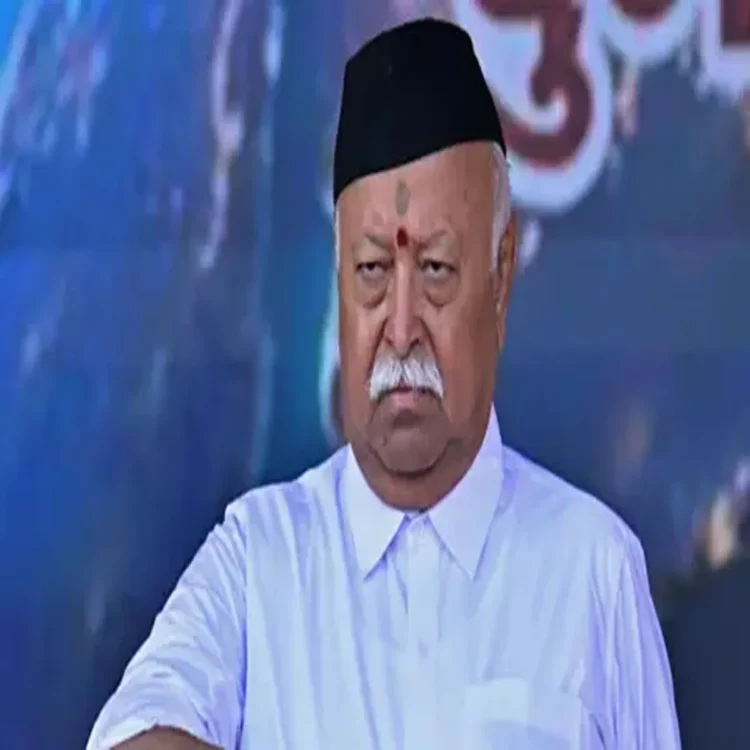
Grassroots Structure and Volunteer Development
Hosabale described the organisation as a voluntary movement rooted in India’s long-standing cultural traditions and civilisational values. He explained that its core objective is to nurture individuals with strong character, self-confidence, and a commitment to community service.
According to him, this is achieved through regular local gatherings, including daily and weekly sessions that typically last an hour. These meetings, he said, are designed to instill discipline, teamwork, and ethical values while encouraging participants to contribute positively to society.
He also pointed out that the organisation’s focus extends beyond personal development to building what he termed “human social capital,” aimed at strengthening unity and collective responsibility across communities.
Social Work and Institutional Contributions
Highlighting the group’s role in public service, Hosabale noted that volunteers are actively involved in relief efforts during natural disasters and other emergencies. He said such initiatives reflect a long-standing tradition of service within the organisation.
In addition, he mentioned that volunteers have helped establish numerous civic institutions over time. These institutions, he explained, function in various sectors, contributing to community welfare and social development at multiple levels.
Interpretation of Cultural Identity
Addressing questions on identity, Hosabale offered a broader perspective on the term “Hindu,” describing it as a civilisational identity rather than a strictly religious one. He emphasised that the organisation views cultural ethos and shared heritage as central to this identity, rather than doctrinal or sectarian definitions.
He suggested that this interpretation is intended to promote inclusivity by focusing on common cultural roots and values rather than divisions based on belief systems.
Views on Regional Tensions and Dialogue
On the issue of tensions within the Indian subcontinent, Hosabale acknowledged that disagreements among neighbouring countries have persisted over time. He attributed these challenges to a mix of political interests, differing interpretations of history, and breakdowns in trust.
However, he stressed that ongoing dialogue remains essential for resolving misunderstandings. He said the organisation has engaged in conversations with various minority groups and their leadership, aiming to foster mutual understanding and address concerns through communication.
Perspective on Neighbouring Relations
Discussing regional dynamics further, Hosabale pointed to historical and political factors influencing relations between countries in the region. He noted that trust has been affected over decades due to shifting leadership priorities and external influences.
While he did not delve into specific policy details, he indicated that rebuilding trust requires sustained efforts and open channels of communication.
Response to Criticism
Responding to questions about allegations of supremacist ideology, Hosabale rejected such characterisations. He argued that the philosophical foundation he described emphasises unity and interconnectedness among all forms of life.
He added that historical narratives, in his view, do not support claims of expansionism or domination associated with the culture he referenced. Instead, he maintained that the emphasis has traditionally been on coexistence and harmony.
Concluding Remarks
The interaction provided a platform for Hosabale to outline the organisation’s functioning and address questions about its ideology in an international academic setting. His remarks focused on cultural interpretation, community engagement, and the role of dialogue in addressing complex social and regional issues.