
Budget – EU Leaders Prepare Cyprus Talks After Ukraine Loan Breakthrough
Budget – The European Union is set to advance key financial and geopolitical discussions following a major agreement to support Ukraine.
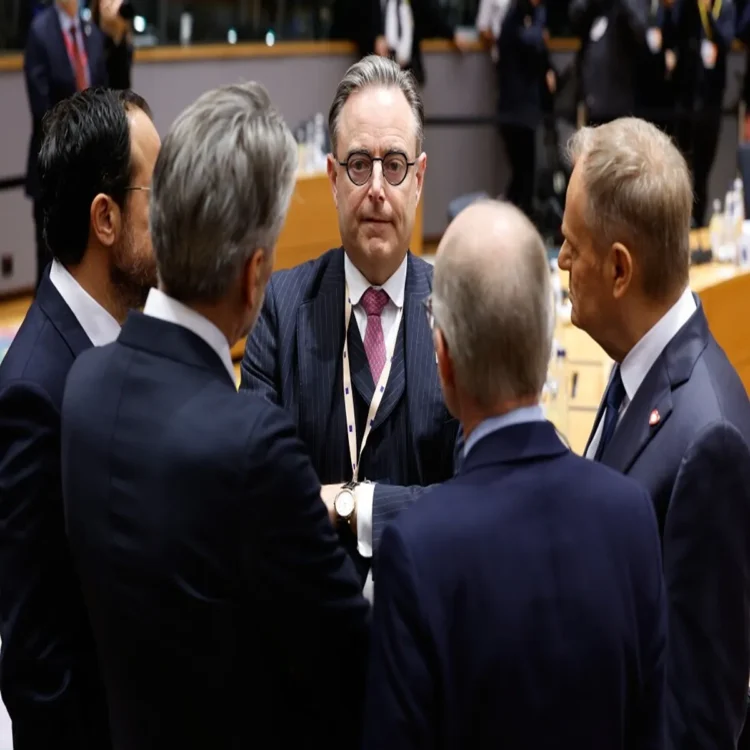
European leaders are gathering in Cyprus to formally welcome Ukrainian President Volodymyr Zelensky after reaching a breakthrough on a long-delayed financial package worth 90 billion euros. The funding, seen as critical for Ukraine’s stability, had been stalled for weeks due to political disagreements within the bloc.
Agreement Ends Weeks of Political Deadlock
The financial assistance received preliminary approval a day earlier, clearing the way for final confirmation during the Cyprus meeting. Leaders are expected to hold discussions with Zelensky at Ayia Napa marina, marking a symbolic moment after the prolonged impasse.
The delay stemmed largely from Hungary’s stance. Its prime minister had blocked the package, citing concerns linked to a damaged pipeline that supplies oil to parts of Central Europe. The dispute highlighted divisions within the EU over how to balance internal interests with continued support for Ukraine.
Pipeline Repairs Pave Way for Funding Release
The situation shifted earlier this week when Ukrainian authorities confirmed that the damaged infrastructure had been repaired. Soon after, oil flows to Hungary and Slovakia resumed, removing the key obstacle to approval.
Diplomats across the EU expressed relief at the resolution, noting that the funding will play a crucial role in sustaining Ukraine’s economy during 2026 and 2027. The agreement is also seen as a signal of renewed unity within the bloc after a period of internal friction.
Leadership Changes Influence EU Dynamics
Hungary’s position may carry less weight in future discussions, as recent political developments have reshaped its domestic landscape. The country’s long-serving leadership is set to step down following an electoral defeat, potentially reducing resistance to EU-wide decisions related to Ukraine.
Notably, Hungary’s outgoing leader is not expected to attend the informal meetings in Cyprus, where no binding decisions are scheduled but key discussions will take place.
Broader Regional Conflicts Take Center Stage
While Ukraine remains a central topic, EU leaders will also address escalating tensions in the Middle East and their global consequences. Rising energy prices, driven in part by instability in key regions, are expected to dominate conversations.
Cyprus itself has felt the impact of regional conflict, including a recent drone strike targeting a military installation on the island. This has heightened the urgency of coordinated responses among European and regional partners.
On Friday, leaders from several Middle Eastern countries will join EU representatives for extended discussions. The agenda includes the ongoing situation in Lebanon, where violence has led to significant casualties and displacement despite a current ceasefire.
Energy Security and Strategic Concerns
Another pressing issue is the Strait of Hormuz, a critical route for global oil shipments. Disruptions there have already pushed up fuel prices and affected supply chains in Europe. EU officials have indicated a willingness to support efforts to keep the route open, though any involvement will depend on evolving circumstances.
Maintaining stability in energy supply remains a top priority, particularly as the region faces ongoing uncertainty.
Early Talks on Future EU Budget
In addition to immediate geopolitical concerns, leaders will begin discussions on the EU’s long-term budget for the 2028–2034 period. The European Commission has proposed a significant increase, aiming for a budget of around two trillion euros.
However, member states remain divided. Some governments advocate for increased investment to strengthen the union, while others stress the need for tighter financial discipline, especially as the EU continues to repay loans taken during the pandemic.
Political Uncertainty Adds Pressure
Time constraints are also shaping the negotiations. Officials are concerned that delays could complicate agreement, particularly with major elections approaching in key member states. A shift in political leadership could influence future contributions and priorities within the EU.
As discussions unfold in Cyprus, the focus will remain on balancing immediate challenges with long-term planning, while maintaining unity across the bloc