
Diplomacy – Iran Declines US Terms as Ceasefire Extension Continues
Diplomacy – Iran has dismissed Washington’s proposed conditions for renewed talks, even as the United States opted to prolong a fragile ceasefire in hopes of reviving diplomatic engagement.
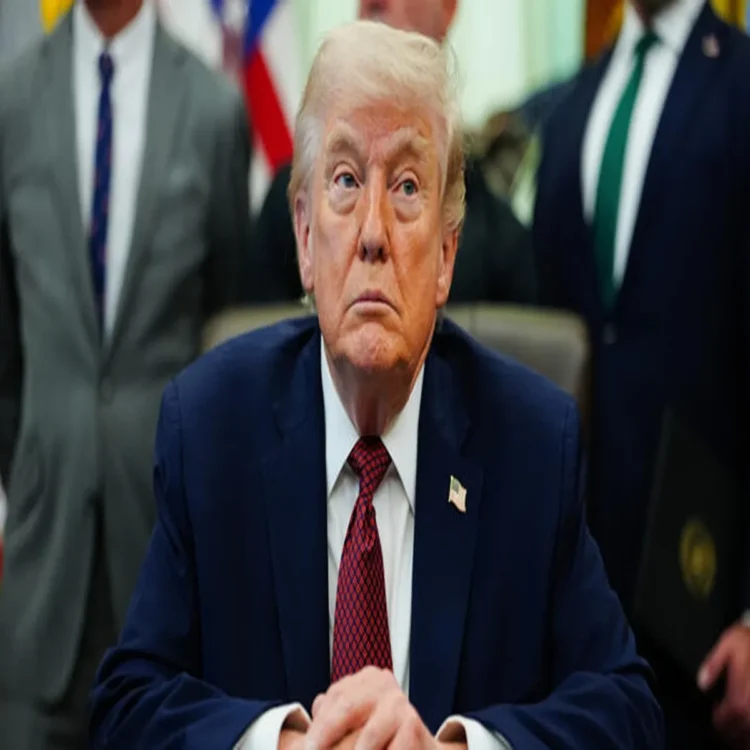
Iran has turned down the negotiation framework put forward by the United States, according to state broadcaster reports, underscoring ongoing tensions despite a temporary pause in hostilities. The development comes as US President Donald Trump announced an extension of the ceasefire, signaling a continued effort to keep dialogue channels open.
Ceasefire Extension Linked to Regional Requests
Reports indicate that the decision to maintain the ceasefire was influenced by appeals from Pakistan’s leadership. According to Iranian state media, the extension followed requests from Pakistan’s Army Chief, Field Marshal Syed Asim Munir, and Prime Minister Shehbaz Sharif. The US administration agreed to delay further military action, allowing additional time for Iran to formulate a unified position on negotiations.
The move reflects a broader regional interest in preventing escalation, particularly as diplomatic channels remain uncertain. Pakistan’s involvement highlights its role as an intermediary seeking stability in a sensitive geopolitical environment.
US Perspective on Iran’s Internal Situation
President Trump stated that the extension was partly based on Washington’s assessment of internal divisions within Iran’s leadership. He noted that Tehran appears to lack a cohesive stance, which has complicated efforts to move forward with negotiations. By granting more time, the US hopes Iran’s leadership can present a consolidated proposal.
In a public statement, Trump emphasized that while military readiness would remain intact, the focus would stay on diplomacy for the time being. The US has continued its strategic blockade and maintains operational preparedness, indicating that the ceasefire does not signal a reduction in pressure.
Fragile Nature of the Ceasefire
The ceasefire, initially arranged earlier this month, was intended to create space for diplomatic engagement. However, it has remained delicate, with both sides expressing concerns about compliance and long-term intentions. Iran’s rejection of the US conditions adds further uncertainty to the process.
Observers note that while the ceasefire has prevented immediate escalation, it has not resolved underlying disagreements. The lack of progress in negotiations suggests that both sides remain far apart on key issues.
Diplomatic Efforts Face New Setbacks
Adding to the uncertainty, plans for further diplomatic outreach have encountered delays. A scheduled visit by US Vice President JD Vance to Pakistan, aimed at facilitating another round of discussions involving Iran, has been postponed. Officials indicated that the delay was due to Tehran’s lack of response to earlier US proposals.
This pause in diplomatic engagement underscores the challenges facing negotiators. Without clear communication or agreement on initial terms, advancing talks remains difficult.
Outlook for Future Negotiations
The current situation reflects a complex mix of cautious diplomacy and underlying tension. While the ceasefire extension offers temporary relief, the absence of consensus on negotiation terms continues to hinder progress.
For now, the US appears committed to giving diplomacy another chance, while maintaining strategic pressure. Iran’s next steps—particularly whether it presents a revised proposal—will likely determine the direction of future engagement.
As regional and international stakeholders watch closely, the coming days could prove critical in shaping whether the ceasefire evolves into meaningful dialogue or gives way to renewed confrontation.