
Energy – Senate Hearing Reveals Sharp Divisions Over US Power Strategy
Energy – A recent Senate hearing on the United States energy budget brought clear political differences into focus, as lawmakers and officials debated how best to ensure a stable and affordable power supply while meeting rising demand.
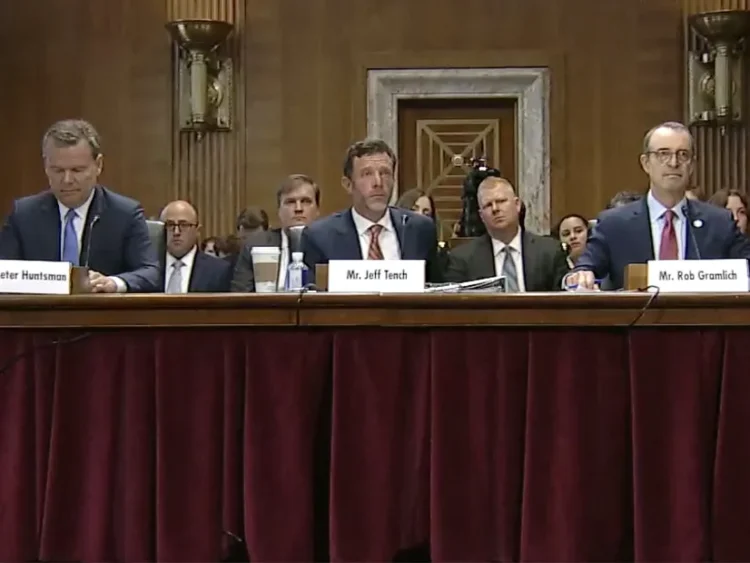
Officials Emphasize Reliability Amid Growing Demand
During a session of the Senate Energy and Natural Resources Committee, Energy Secretary Christopher Wright outlined the administration’s approach, stressing the importance of maintaining a dependable energy system. He stated that the primary objective is to provide consistent, cost-effective, and secure energy for households and businesses.
Wright warned that increasing electricity consumption—driven by sectors such as data centres and manufacturing—poses significant challenges. He explained that emergency measures had been used to keep certain power plants operational, arguing that without such actions, the likelihood of outages could rise sharply in the coming years.
He further highlighted the importance of traditional energy sources, noting that fuels like natural gas, coal, hydropower, and nuclear energy remain essential for maintaining grid stability, especially during peak demand periods.
Republican Leaders Stress Infrastructure Preparedness
Republican members of the committee supported the administration’s stance, pointing to the rapid rise in electricity consumption across industries. Committee Chairman Senator Mike Lee said the expected surge in demand is already underway, driven by technological expansion and increased electrification.
He emphasized that the country’s energy infrastructure must be prepared to handle this growth, warning that failure to do so could affect both economic performance and energy security.
Democrats Raise Concerns Over Policy Direction
Democratic lawmakers strongly criticised the administration’s decisions, arguing that several actions appear politically motivated and risk undermining long-term energy goals. Senator Martin Heinrich expressed concern over the cancellation of key projects, stating that such moves could negatively impact communities, workers, and businesses relying on planned investments.
He also warned that reducing support for renewable energy initiatives and research could limit the nation’s ability to meet future electricity needs efficiently. According to Heinrich, restricting the expansion of renewable sources—often considered cost-effective and quick to deploy—could lead to higher household energy bills and slower progress in meeting demand.
Dispute Over Rising Energy Costs
Energy prices emerged as another key point of disagreement during the hearing. While Wright acknowledged that prices have increased compared to previous levels, he maintained that current policies are aimed at reducing costs over time.
Critics, however, argued that some decisions—particularly those involving extended use of older power plants—could place additional financial burdens on consumers. The debate highlighted differing views on how best to balance affordability with reliability.
Emergency Measures and Coal Plant Operations
A significant part of the discussion focused on the administration’s use of emergency authority to keep coal-fired power plants running beyond their scheduled closure dates. Opponents contended that this approach shifts operational costs onto consumers and delays the transition to cleaner energy sources.
Wright defended the decision, stating that preventing large-scale blackouts justifies the use of such measures. He noted that the economic and social costs of widespread power outages can be extremely high, making reliability a top priority.
Ongoing Debate Over Renewable Energy Role
The role of renewable energy also featured prominently in the discussions. While Wright acknowledged that wind and solar power have a place in the energy mix, he raised concerns about government subsidies, suggesting they have disrupted market dynamics.
According to him, the administration is focusing on energy sources that can provide electricity precisely when needed, particularly as the country competes in energy-intensive fields such as artificial intelligence and advanced manufacturing.
Rising Demand Puts Pressure on Policy Decisions
The hearing reflects a broader national challenge: how to meet rapidly increasing electricity demand while keeping costs manageable and maintaining a reliable grid. The expansion of data centres, industrial growth, and widespread electrification are all contributing to this surge.
As policymakers continue to debate the future of the US energy system, finding a balance between traditional power sources and renewable alternatives remains a central issue. The outcome of these discussions is likely to shape the country’s energy landscape for years to come.