
TerrorAttack – Families Mark One Year Since Pahalgam Tragedy With Grief
TerrorAttack – Nearly a year after the deadly assault in Jammu and Kashmir’s Pahalgam, families of those who lost their lives continue to struggle with an absence that has reshaped their daily existence. The attack, which claimed 26 lives, remains etched in their memories, with many saying the pain has not faded despite the passage of time.
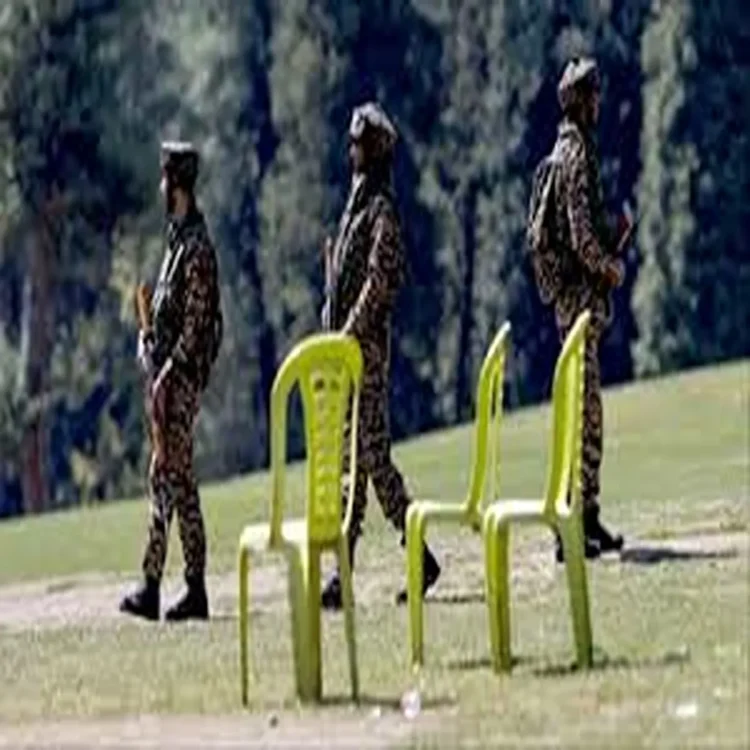
Families Continue to Cope With Deep Personal Loss
For many relatives, the anniversary serves as a reminder of a tragedy that altered their lives forever. Sangeeta Ganbote, who lost her husband Kaustubh Ganbote in the incident, described the emotional toll as unending. She said the memory of the attack still feels immediate and overwhelming. According to her, acts of violence against civilians serve no purpose and only leave families shattered.
She also stressed the need for broader awareness and preparedness, suggesting that educational institutions should include basic guidance on how individuals can respond during such emergencies. Her message reflected both grief and a desire to prevent similar suffering for others.
Economic Struggles Add to Emotional Burden
Beyond emotional trauma, many families are facing financial challenges following the loss of primary earners. Priyadarshini Acharya, whose husband Prasanta Kumar Satapathy was among those killed, shared how her responsibilities have significantly increased over the past year.
She explained that what was once a temporary job has now become essential for sustaining her household. While she acknowledged receiving some financial support, she pointed out that certain assurances, including employment assistance, have yet to materialize. She urged authorities to act on their commitments and provide long-term stability for affected families.
Recalling the Day That Shocked the Nation
The attack on April 22, 2025, stunned the country. Pahalgam, widely known for its scenic landscapes and as a popular tourist destination, turned into a site of violence when armed militants entered the area and targeted civilians.
Reports indicated that victims were singled out based on their identity before being killed, adding a disturbing dimension to the incident. The scale and nature of the attack drew widespread condemnation and triggered national mourning.
Military Response and Escalation
In the aftermath, India launched a strong military response under Operation Sindoor. The operation targeted multiple militant bases across the border, including locations in Pakistan and Pakistan-occupied Jammu and Kashmir.
Officials reported that several major launchpads linked to groups such as Lashkar-e-Taiba, Jaish-e-Mohammed, and Hizbul Mujahideen were destroyed. The operation resulted in significant militant casualties and was followed by heightened tensions between the two countries.
Pakistan responded with aerial and artillery actions, but within days, both sides agreed to halt hostilities after communication between their respective military leadership.
Signs of Recovery in Tourism Sector
Despite the shadow of last year’s violence, there are indications of recovery in the region. Tourist arrivals in Kashmir have seen a noticeable increase, suggesting a gradual restoration of confidence among visitors.
Many travelers now express a sense of safety and appreciation for the region’s hospitality. One visitor noted that while the attack was deeply unfortunate, it should not define the entire destination. He added that his experience in Srinagar was peaceful and welcoming, reflecting a broader sentiment among tourists returning to the valley.
A Year Later, Pain Remains but Life Moves Forward
As the anniversary passes, families continue to remember their loved ones while trying to rebuild their lives. For them, the loss is not confined to a date but is part of their everyday reality.
While security measures and tourism figures point toward recovery, the human cost of the attack remains evident. The voices of those affected highlight the need for continued support, accountability, and efforts to ensure such incidents do not recur.