
Politics – Parliament Session Signals Push for Women’s Representation Reform
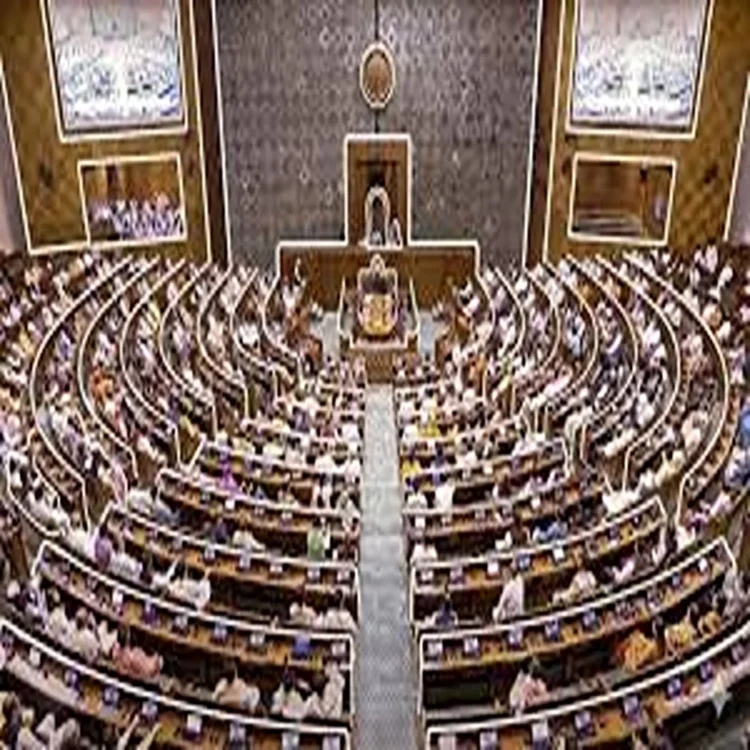
Politics – Prime Minister Narendra Modi on Thursday reaffirmed the government’s commitment to strengthening women’s representation in politics as a special three-day session of Parliament commenced. The session is expected to focus on advancing legislative steps linked to the Women’s Reservation framework, marking a significant moment in the country’s democratic process.
Focus on Women’s Representation
Addressing the significance of the session, the Prime Minister highlighted that the initiative reflects a broader vision of empowering women across the nation. He noted that respect for women is deeply tied to the nation’s progress and dignity, emphasizing that the government is determined to move forward with policies that enhance women’s participation in governance.
The special sitting is expected to deliberate on provisions related to the Nari Shakti Vandan Adhiniyam, commonly known as the Women’s Reservation Act. This legislation aims to ensure that a substantial share of seats in legislative bodies is allocated to women, thereby improving gender balance in decision-making institutions.
Proposed Changes to Lok Sabha Structure
One of the key proposals under discussion involves increasing the strength of the Lok Sabha. According to the amendment bill, the maximum number of seats in the lower house could be expanded from the current 543 to 850. This adjustment is intended to facilitate the implementation of women’s reservation before the general elections scheduled for 2029.
The expansion would be carried out following a delimitation exercise based on the most recent census data. Delimitation is a process that redraws constituency boundaries to reflect changes in population, ensuring fair representation across regions.
Extension to State and Union Territory Assemblies
The proposed reforms are not limited to Parliament alone. The bill also outlines plans to increase the number of seats in state legislative assemblies and Union territory legislatures. This step is necessary to introduce a 33 percent reservation for women at these levels as well.
By extending the reservation policy beyond the national legislature, the government aims to create a more inclusive political structure throughout the country. The move is expected to open up greater opportunities for women leaders in regional and local governance.
Rotation of Reserved Seats
Another important feature of the proposed framework is the rotation of reserved seats. The bill specifies that constituencies designated for women will change periodically within states and Union territories. This mechanism is intended to ensure that the benefits of reservation are distributed more evenly and do not remain confined to specific areas.
The rotation system also aims to maintain fairness in electoral competition, allowing different constituencies to experience representation by women leaders over time.
A Step Towards Inclusive Governance
The ongoing parliamentary session is being viewed as a crucial step in shaping the future of political representation in India. If implemented as planned, the measures could significantly alter the composition of legislative bodies, making them more reflective of the country’s diverse population.
While the proposals still require further procedural steps, the discussions signal a continued focus on institutional reforms aimed at gender equality. Observers note that the coming years will be important in determining how these changes are executed and how they impact governance at various levels.