
Diplomacy – Iran Blames US Approach for Collapse of Near Deal
Diplomacy – Iran has alleged that a potential agreement with the United States collapsed at the final moment after nearly a full day of negotiations, accusing Washington of changing its stance and setting new conditions during the talks.
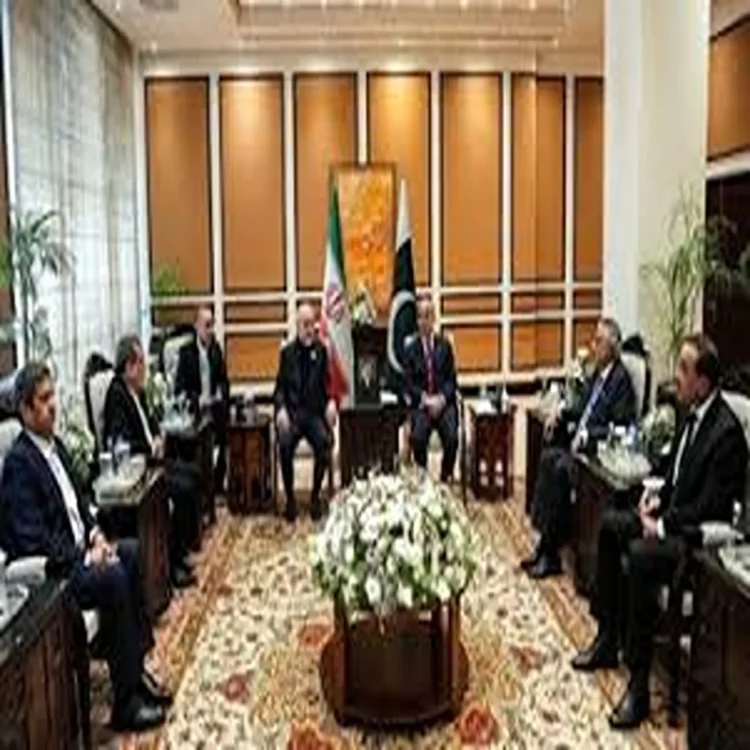
Talks End Without Agreement After Intensive Negotiations
Iranian officials said discussions, which lasted about 21 hours, had brought both sides close to a significant understanding referred to as the Islamabad Memorandum of Understanding. According to Tehran, the agreement was nearly finalized before the process broke down.
Foreign Minister Abbas Araghchi stated that Iran had entered the dialogue with seriousness and a willingness to resolve ongoing tensions. He described the engagement as the most direct and high-level interaction between the two countries in nearly five decades. However, he expressed disappointment, claiming that repeated changes in US demands and negotiating positions ultimately derailed progress.
Iran Highlights Missed Opportunity for Breakthrough
Araghchi emphasized that both nations were extremely close to reaching a deal, underscoring how the talks had nearly produced a diplomatic breakthrough. He suggested that the collapse was not due to a lack of effort from Iran’s side but rather what he called inconsistent behavior from Washington.
The Iranian leadership has maintained that mutual trust and consistent commitments are essential for any agreement. Officials indicated that the failure of these negotiations reflects deeper challenges in building confidence between the two countries after decades of strained relations.
President Signals Openness to Future Agreement
Iranian President Masoud Pezeshkian offered a more forward-looking perspective, stating that a diplomatic resolution remains possible if the United States adjusts its approach. He called on Washington to respect Iran’s sovereignty and rights, suggesting that such a shift could reopen the path to meaningful dialogue.
Pezeshkian also acknowledged the efforts of Iran’s negotiating team, describing their work as committed and constructive. His remarks indicate that while the recent talks have failed, Tehran is not ruling out future engagement under different conditions.
US Announces Maritime Blockade Following Failed Talks
In a significant escalation, the United States has declared plans to enforce a broad maritime blockade targeting vessels moving in and out of Iranian ports. The move is set to take effect from April 13 and follows the breakdown of negotiations.
According to US Central Command, the blockade will apply to ships of all nations entering or leaving Iranian ports, including those located along the Arabian Gulf and the Gulf of Oman. However, vessels passing through the Strait of Hormuz to non-Iranian destinations will not be obstructed.
Authorities have advised commercial shipping operators to remain vigilant, monitor official navigation updates, and maintain communication with US naval forces while operating in the region. The decision signals a tougher stance by Washington amid unresolved disputes.
Nuclear Dispute Remains Central Issue
The failed negotiations reportedly stalled primarily over disagreements related to Iran’s nuclear programme. While some areas of discussion had seen progress, the core issue of nuclear development continued to divide both sides.
US President Donald Trump confirmed that talks had reached an impasse, citing unresolved concerns over Iran’s nuclear ambitions. The announcement came shortly before the blockade decision, marking a shift from diplomacy to increased pressure.
Rising Tensions Leave Future Uncertain
The breakdown of talks and the subsequent enforcement measures have added to tensions in an already fragile geopolitical environment. While both sides have left the door open for future negotiations, current developments suggest that immediate progress remains unlikely.
Observers note that rebuilding trust and establishing consistent negotiation frameworks will be critical if any future agreement is to succeed. For now, the situation reflects a missed opportunity that briefly appeared within reach.