
Sanctions – US Signals Tougher Stance as Iran Faces New Oil Blockade
Sanctions – US President Donald Trump has indicated that Washington will move ahead with a planned blockade targeting Iran’s oil trade, describing the country’s current situation as increasingly strained. Speaking briefly to journalists after arriving from Miami, Trump said the ceasefire in the region remained stable, but made it clear that US policy toward Tehran would not ease in the near term.
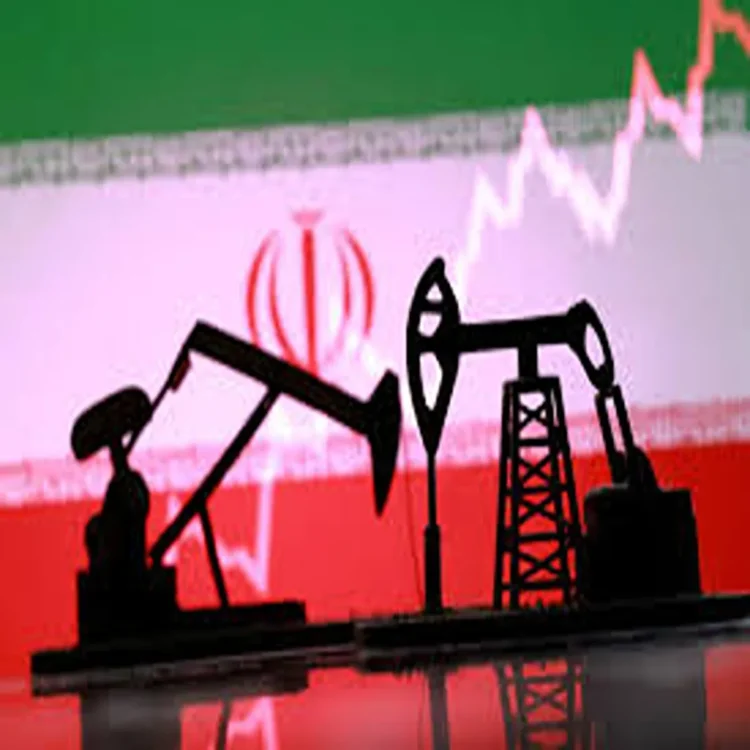
Blockade Set to Begin Amid Ongoing Tensions
According to the President, the blockade was scheduled to take effect at 10 a.m. on Monday. He noted that several vessels were already heading toward US territory, apparently seeking to load oil, and suggested that the measure would directly impact such movements.
Trump also pointed out that other countries were quietly supporting efforts to limit Iran’s ability to sell oil on the global market. While he did not specify which nations were involved, his remarks indicated a broader international effort aligned with US objectives. The blockade is expected to focus heavily on restricting Iran’s key revenue stream—its energy exports.
Washington’s Position on Nuclear Concerns
During the interaction, Trump reiterated his administration’s firm stance on Iran’s nuclear ambitions. He described the country as being under significant pressure and suggested that its leadership was facing mounting challenges.
“Iran will not have a nuclear weapon,” he stated, emphasizing that preventing nuclear development remains a central goal of US policy. When asked about the possibility of renewed talks with Tehran, Trump appeared unconcerned about whether negotiations would resume, indicating that the US is prepared to continue its current approach regardless of Iran’s response.
Diplomatic Signals and Strategic Pressure
The remarks reflect a continuation of Washington’s strategy of combining economic restrictions with maritime enforcement. By targeting oil exports, the US aims to reduce Iran’s financial capacity, which officials argue is closely linked to its nuclear and regional activities.
Observers note that such measures often serve both economic and political purposes, signaling resolve while also attempting to push adversaries toward negotiations. However, Trump’s comments suggested that immediate diplomatic engagement is not a priority for his administration.
Criticism of NATO Adds to Broader Message
In addition to addressing Iran, Trump also voiced dissatisfaction with the North Atlantic Treaty Organization (NATO). He expressed frustration over what he described as a lack of support from the alliance, despite significant financial contributions from the United States.
The President’s criticism highlighted ongoing concerns within his administration about burden-sharing among allied nations. While the remarks were brief, they underscored broader tensions in US relations with international partners.
Brief Interaction Ends Without Further Detail
The exchange with reporters lasted only a few minutes and concluded without detailed responses to several questions. Trump declined to comment on reports concerning Hungary’s political developments and ended the conversation shortly afterward.
Impact on Global Energy and Regional Stability
The planned blockade represents a notable escalation in US efforts to pressure Iran, particularly at a time when global energy markets remain sensitive to geopolitical developments. Iran’s oil exports are a vital component of its economy, and any disruption could have wider implications for both regional stability and international supply chains.
Analysts suggest that while the move may increase pressure on Tehran, it also carries the risk of further tensions in an already volatile region. The coming days are likely to provide clearer indications of how Iran and other global players respond to the measure.