
Agriculture – Porcupine Threat Endangers Kashmir’s Saffron Farming Future
Agriculture – Kashmir’s globally prized saffron fields are facing a growing ecological challenge as porcupine activity begins to seriously impact crop production, adding to existing pressures on farmers.
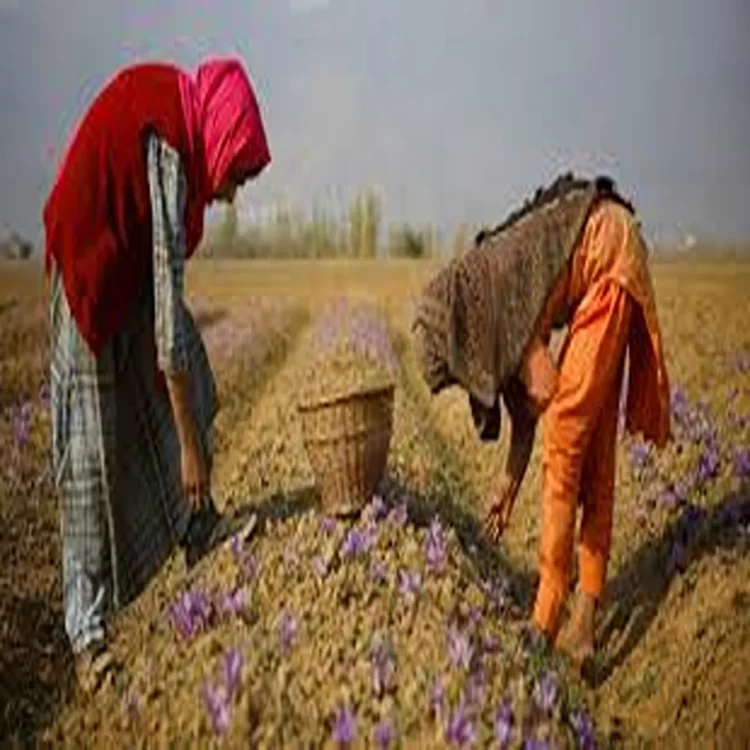
Kashmir’s saffron-growing belt, long regarded as the source of some of the finest saffron in the world, is now confronting an unexpected and damaging threat. Farmers across Pampore, Lethpora, and nearby areas in south Kashmir report increasing destruction of their fields due to nocturnal visits by porcupines, which are feeding on the crop’s essential underground structures.
Saffron Heartland Under Pressure
These regions are widely known as the core of saffron cultivation in the Valley, producing what is often referred to as “red gold” due to its high value and quality. However, growers say the crop is now under severe strain. The animals are targeting corms—the bulb-like base from which saffron plants grow—causing direct and often irreversible damage.
Farmers describe waking up to partially destroyed fields, with significant portions of their crop lost overnight. The damage has raised concerns about long-term sustainability, particularly as saffron cultivation has already been affected by urban expansion and changing land use patterns.
Concerns Raised in Legislative Assembly
The issue has also reached the political stage. Pampore MLA Justice (Retd) Hasnain Masoodi recently highlighted the situation, warning that continued destruction could have lasting consequences for the region’s saffron industry.
He pointed out a steep decline in production over the years, noting that output has fallen dramatically from approximately 27,000 kilograms about 15 years ago to nearly 1,000 kilograms today. According to him, the financial impact on farmers in his constituency alone has been substantial, with losses estimated at around Rs 500 crore.
Masoodi also cautioned that if the current trend continues unchecked, saffron cultivation in Kashmir could face an uncertain future.
Why Porcupines Are Damaging Crops
Porcupines are primarily active at night and feed on plant-based materials such as roots, tubers, and bulbs. Their natural feeding habits make saffron fields particularly vulnerable. In addition to consuming the corms, their burrowing behavior further disrupts the soil structure, affecting plant growth.
Farmers say they are unable to take direct action against the animals due to their protected status, leaving them with limited options to safeguard their crops. As a result, some cultivators are considering shifting to alternative crops that are less susceptible to such damage.
Government Acknowledges the Issue
Authorities have recognized the seriousness of the problem. Officials from the Forest Ecology and Environment department confirmed that teams have conducted field inspections in affected areas. While direct sightings of porcupines during these visits were limited, physical evidence strongly indicates their presence and involvement in crop damage.
Experts believe that nearby natural features such as caves, rocky crevices, and overgrown unused land provide ideal shelter for porcupines, encouraging their movement into saffron fields.
Measures Suggested to Protect Fields
In response, the administration has issued a series of advisories to farmers aimed at minimizing damage. These include clearing vegetation, bushes, and hidden spaces that may serve as shelter for the animals.
Farmers have also been encouraged to install underground mesh barriers around their fields, extending up to 1.5 meters below the surface to prevent burrowing. Other recommended methods include painting tree trunks white or covering them with light-colored materials to deter nighttime activity.
Additionally, the use of motion-sensitive lights and sound devices has been suggested as a way to scare away animals during their active hours. In areas where porcupine presence is confirmed, authorities are deploying trapping cages to capture and relocate the animals safely to forest habitats.
Wildlife protection teams have also been directed to increase patrolling in vulnerable zones, particularly during nighttime, when porcupine activity peaks.
Farmers Seek Long-Term Solutions
Despite these measures, growers remain concerned about the future. Many believe that without a sustained and coordinated response, the situation could worsen. They are calling for more effective support systems and long-term strategies to protect saffron cultivation, which remains a vital part of the region’s economy and heritage.