
Hormuz – Iran Parliament Moves Ahead With New Strait Security Bill Amid US Tensions
Hormuz – Iran’s parliament has formally begun reviewing new legislation aimed at strengthening the country’s authority over the Strait of Hormuz, as fresh tensions with the United States have intensified over control of one of the world’s most strategically important shipping routes. The proposed measure comes at a time when military and diplomatic disagreements have once again raised concerns about regional stability and global energy transportation.
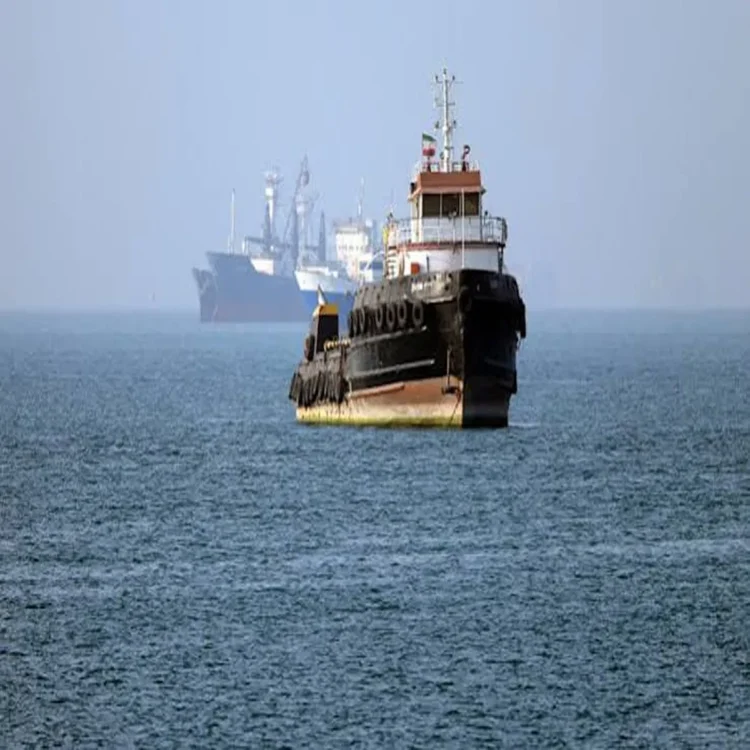
Parliament Introduces Strategic Security Proposal
Ebrahim Azizi, who heads the Iranian parliament’s national security committee, announced that lawmakers had officially introduced a bill titled the “Strategic Action for the Security and Sustainable Progress of the Strait of Hormuz and the Persian Gulf.” He shared the development on social media, stating that the proposal was submitted shortly after Iranian forces reported the downing of US drones.
According to Azizi, the legislation reflects Tehran’s determination to safeguard what it considers its national interests in the Strait of Hormuz. He said Iran remains committed to defending its established red lines regarding the management of the waterway and indicated that the bill represents only the beginning of a broader series of planned actions.
Fresh Dispute Over Vital Shipping Route
The legislative move follows renewed confrontation between Washington and Tehran over the future administration of the Strait of Hormuz. The latest disagreement has placed uncertainty over a framework agreement reached last month, which had been intended to support efforts toward ending the wider conflict in the Middle East.
Iran has maintained that it should play the leading role in supervising the strategic passage and has proposed charging transit fees for vessels passing through the strait. The United States has consistently opposed that position, arguing against any such restrictions or financial requirements for international shipping.
Washington Announces New Measures
US President Donald Trump said on Monday that the United States was assuming control over operations related to the Strait of Hormuz while restoring a blockade on Iranian ports. He also announced plans for a 20 percent cargo fee on goods transported through the waterway.
Iran had declared the Strait of Hormuz closed on Sunday after previously allowing commercial shipping to continue during negotiations with Washington. Those talks had focused on reaching a lasting agreement aimed at permanently ending the conflict between the two countries.
The renewed escalation has attracted close international attention because the Strait of Hormuz serves as one of the world’s busiest maritime trade corridors, carrying a significant share of global oil and energy exports.
Parliament Returns After Wartime Suspension
Iran’s parliament resumed legislative sessions on Monday after its activities had been suspended following the outbreak of war in late February. The return of lawmakers comes as the government faces growing domestic and international pressure over security, diplomacy and economic policy.
The parliament is led by Mohammad Bagher Ghalibaf, who has also taken on the role of Iran’s chief negotiator in discussions with the United States. His dual responsibilities have significantly increased his political visibility during recent months as negotiations and military developments continue to unfold.
Internal Political Differences Continue
Despite the government’s ongoing diplomatic engagement with Washington, divisions remain within Iran’s political establishment. Several members of parliament have openly questioned negotiations with the United States and expressed dissatisfaction over their limited involvement in the memorandum of understanding reached during earlier discussions.
Some lawmakers believe parliament should have a greater role in reviewing or approving major international agreements before they are finalized. Their concerns highlight continuing debate within Iran over how future negotiations with Washington should be conducted while protecting the country’s national interests.