
CauveryWater – Karnataka Faces Tough Call as Irrigation Demands Rise Amid Rainfall Concerns
CauveryWater –Karnataka is facing a difficult balancing act as it weighs the growing demand for Cauvery water for irrigation against the need to safeguard drinking water supplies. With rainfall expected to remain below normal, the state government is adopting a cautious approach before taking any decision that could affect reservoir storage in the coming months.
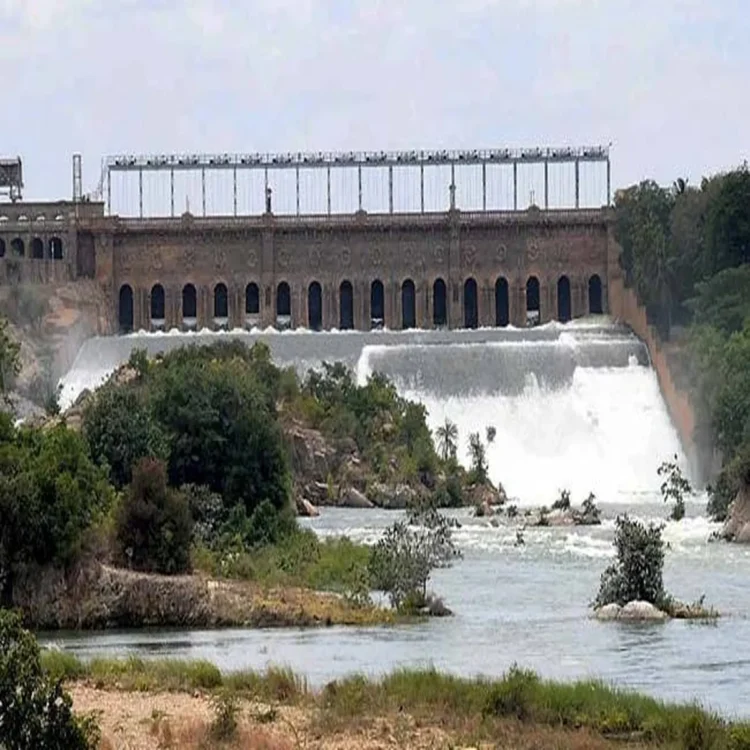
Farmers have intensified their demand for the release of Cauvery water to support agricultural activities. Chief Minister D.K. Shivakumar confirmed that legislators representing Mandya and Srirangapatna, along with the district in-charge minister, recently met him to discuss the issue. However, he avoided making any immediate announcement, stating that the government would take a final call only after holding a detailed review meeting.
Government Adopts Wait-and-Watch Approach
The state administration is carefully assessing the available water before deciding whether irrigation releases are feasible. Officials are closely monitoring reservoir levels and weather forecasts, particularly as uncertainty continues over the progress of the southwest monsoon.
Earlier, Irrigation Minister Ramalinga Reddy indicated that Karnataka was not in a position to allocate water for irrigation at present. He said the government would reassess the situation only if there is a significant improvement in rainfall over the next two weeks.
Forecast Raises Fresh Concerns
The cautious stance follows the India Meteorological Department’s forecast of below-normal rainfall, which has heightened concerns about water availability in the state’s major Cauvery reservoirs. Krishna Raja Sagar (KRS), Kabini, Hemavathi and Harangi are expected to receive lower inflows if the monsoon remains weak, making it difficult to meet both irrigation and drinking water requirements.
Water management specialists believe the coming months could present one of the toughest challenges for Karnataka if rainfall does not improve. They stress that long-term planning is essential to avoid shortages later in the year.
Experts Prioritise Drinking Water Security
According to experts familiar with reservoir management, the government should avoid repeating decisions taken during previous drought years when irrigation releases reduced water availability for domestic consumption.
They point out that Karnataka is not only considering agricultural needs but also the responsibility of ensuring safe drinking water for millions of residents until the arrival of the next monsoon in June 2027. With limited storage available, officials must account for future demand rather than focusing only on current pressures.
Reservoir Levels Under Close Observation
Current estimates indicate that Krishna Raja Sagar reservoir holds around 40 thousand million cubic feet (tmcft) of water. Bengaluru, Mysuru, Mandya, Maddur, Channapatna and several other towns dependent on the Cauvery basin collectively consume around 5 to 6 tmcft every month.
Experts also note that evaporation losses of nearly 10 percent could further reduce the usable water. If rainfall remains poor, the existing storage may be sufficient for only about six months, increasing the importance of careful reservoir management.
Comparison With Tamil Nadu Situation
Water experts have also highlighted that Tamil Nadu’s Mettur reservoir currently holds nearly as much water as the combined storage available in Karnataka’s four major Cauvery reservoirs.
They note that while Karnataka generally receives limited benefit from the North-East monsoon between October and December, Tamil Nadu gains substantially during that period. This difference, they argue, makes it essential for Karnataka to preserve adequate reserves before entering the post-monsoon season.
CWMA Meeting Expected to Shape Strategy
The upcoming Cauvery Water Management Authority (CWMA) meeting scheduled for July 15 is expected to play a significant role in determining Karnataka’s strategy during the ongoing deficit monsoon.
State officials are likely to maintain that reservoir operations should be guided by actual water availability and the need to protect drinking water supplies. At the same time, they will have to address mounting demands from farmers within Karnataka as well as downstream requirements from Tamil Nadu.