
WomenReservation – Government Faces Criticism Over Planned Changes to Nari Shakti Law
WomenReservation – The Centre’s proposed changes to the women’s reservation framework have sparked a fresh political debate, with opposition leaders questioning both the timing and intent of the move.
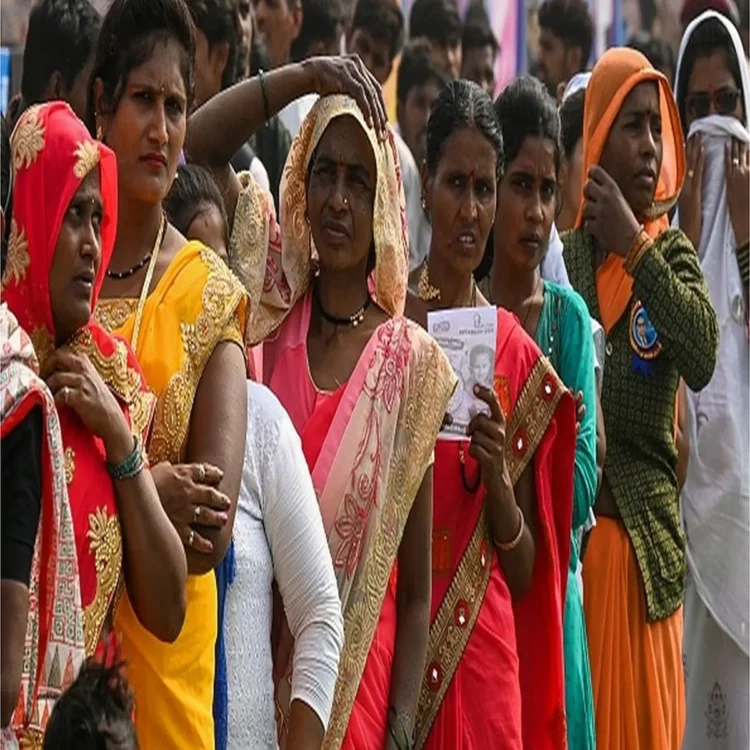
Senior Congress leader Jairam Ramesh on Wednesday criticized the Narendra Modi government over its plan to amend the Nari Shakti Vandan Act, alleging that the decision reflects a reversal of its earlier position. He argued that the move appears designed to shift public attention away from key national concerns, including foreign policy challenges and rising energy costs.
Background of the Women’s Reservation Law
Ramesh recalled that the Nari Shakti Vandan Act, passed in 2023, introduced a constitutional provision reserving one-third of seats for women in the Lok Sabha and state legislative assemblies. The law also extended this quota to seats reserved for Scheduled Castes and Scheduled Tribes.
However, its implementation was originally linked to the completion of a fresh census and a delimitation exercise, which would redraw constituency boundaries based on updated population data. At the time, the government maintained that these steps were essential before rolling out the reservation.
Congress Questions Shift in Government Position
The Congress leader pointed out that his party had earlier urged the government to implement women’s reservation ahead of the 2024 general elections. This suggestion was rejected on the grounds that census and delimitation processes had not yet been completed.
Ramesh now claims that the government’s willingness to proceed without waiting for these steps represents a significant policy shift. He described the change as inconsistent with the government’s earlier stance and called for greater clarity on the rationale behind it.
Allegations of Political Timing
According to Ramesh, the timing of the proposed amendments raises questions about political intent. He suggested that the initiative could be aimed at diverting attention from other pressing issues, including economic pressures linked to fuel prices and ongoing geopolitical tensions.
He further stated that such announcements have, in the past, been used to influence public discourse during sensitive periods, adding that the current situation appears similar.
Call for Wider Consultation
Ramesh also revealed that opposition parties have formally requested an all-party meeting to discuss the proposed amendments. The request suggests that such deliberations should take place after the ongoing round of state assembly elections concludes on April 29.
He emphasized the need for broader consultation, particularly given reports that the government is also considering increasing the size of legislative bodies. A potential expansion of the Lok Sabha and state assemblies by up to 50 percent would require careful evaluation, he noted.
Key Features of the Proposed Amendments
Government sources indicate that two major legislative changes are under consideration. The first involves amending the existing Act to enable implementation of women’s reservation without waiting for a new census. Instead, the 2011 census data may be used as the basis for delimitation.
The second proposal includes a separate delimitation bill to facilitate the redistribution of seats. If approved, the total number of Lok Sabha seats could increase from 543 to around 816.
Under this expanded structure, approximately one-third of the seats—around 273—would be reserved for women. Existing reservations for Scheduled Castes and Scheduled Tribes would remain unchanged, while there is currently no provision for Other Backward Classes within the framework.
Potential Impact on Future Elections
If the amendments are passed, the changes are expected to significantly reshape India’s electoral landscape. The 2029 general elections could be conducted with a larger Lok Sabha, raising the majority threshold from 272 to over 400 seats.
Government officials have indicated that the objective is to ensure greater representation for women without further delays, arguing that waiting for a new census could postpone implementation indefinitely.
Ongoing Discussions and Next Steps
A recent meeting led by the Home Minister with NDA parliamentary leaders reportedly focused on building consensus around the proposal. Outreach to opposition leaders has also begun, although differences remain over issues such as seat distribution and the delimitation process.
While there is broad agreement across political parties on the principle of women’s reservation, the method and timeline of implementation continue to be debated. The coming weeks are likely to see further discussions as the government prepares to introduce the necessary bills in Parliament.