
MiddleEast – US Considers Expanding Military Role Amid Iran Conflict
MiddleEast – The United States is evaluating the possibility of increasing its military presence in the Middle East as tensions with Iran continue to intensify. Officials familiar with ongoing discussions say the situation has entered a more uncertain phase, prompting Washington to reassess its strategic posture in the region.
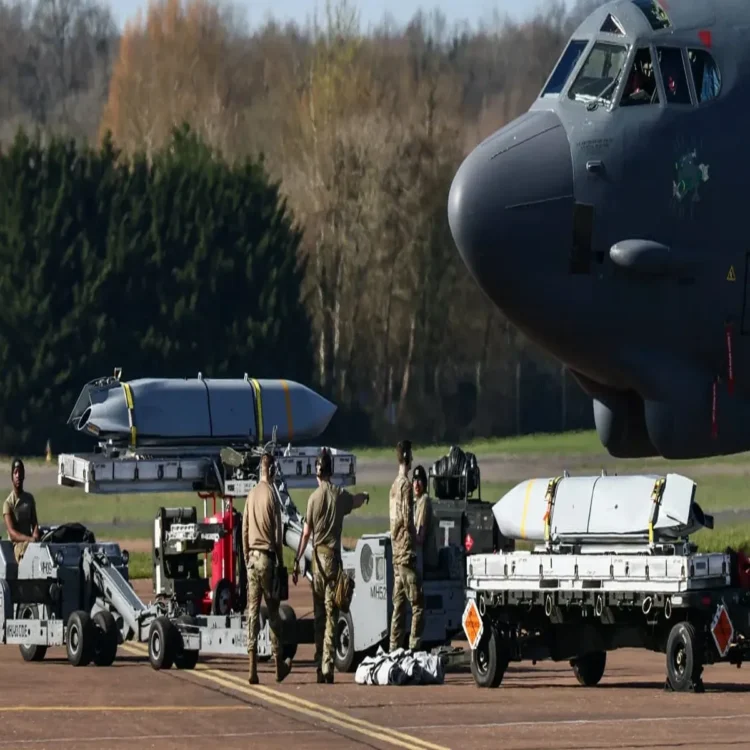
Internal deliberations on troop deployment
According to sources, the administration of former President Donald Trump has been exploring options that could involve sending additional American troops to support operations already underway. These operations have now entered their third week, and while no formal decision has been made, the idea of reinforcing military capabilities remains under active consideration.
Officials indicate that deploying more personnel could provide greater flexibility in responding to developments on the ground. However, they also stress that discussions are still at a preliminary stage and no immediate action has been approved.
Focus on safeguarding key oil routes
One of the primary concerns under review is the security of global energy supplies, particularly through the Strait of Hormuz. This narrow waterway is one of the world’s most critical oil transit routes, and any disruption there could have significant economic consequences worldwide.
Military planners are reportedly considering measures to ensure uninterrupted shipping through the strait. While naval and air forces would likely play a central role, there is also the possibility of limited ground deployments along strategic coastal areas. Experts caution that such steps could heighten tensions and draw the United States deeper into the conflict.
Intelligence reports suggest setbacks for Iran
Amid these discussions, US intelligence agencies have presented assessments indicating that Iran’s nuclear infrastructure has suffered major damage. During a recent briefing to lawmakers, Director of National Intelligence Tulsi Gabbard stated that key facilities linked to uranium enrichment had been effectively destroyed, with some underground sites rendered inaccessible.
These findings, if confirmed, could influence the broader strategic outlook, though analysts note that the long-term implications remain uncertain.
Mixed signals on long-term strategy
Despite ongoing military planning, there appears to be no clear consensus within Washington regarding the future course of action. Donald Trump has offered differing views in public statements, at times supporting efforts to secure vital maritime routes while also questioning whether the United States should bear the primary responsibility.
In a recent social media post, Trump suggested that other nations benefiting from the Strait of Hormuz should play a larger role in maintaining its security. His remarks reflect a broader debate within policy circles about the extent of US involvement overseas.
Escalation continues with retaliatory strikes
Meanwhile, Iran’s Islamic Revolutionary Guard Corps has claimed responsibility for a series of attacks targeting oil-related infrastructure linked to US interests in the region. The group described these actions as part of an ongoing campaign of retaliation following earlier strikes carried out by US and Israeli forces.
In an official statement, the IRGC said the latest wave of attacks was conducted in response to the deaths of senior Iranian officials, including Intelligence Minister Esmaeil Khatib. The statement also linked the operations to widespread domestic demonstrations supporting Iran’s leadership and opposing foreign military actions.
Situation remains fluid
As both sides continue to exchange signals and actions, officials emphasize that the situation remains highly dynamic. While the possibility of additional troop deployment is being explored, there are no immediate plans to send ground forces into Iran.
Observers note that the coming weeks will be critical in determining whether the conflict stabilizes or moves toward further escalation, with global economic and security implications closely tied to the outcome.