
Weather – Delhi Sees Slight Temperature Dip as Air Quality Improves to Moderate
Weather – Delhi experienced a marginal fall in daytime temperatures on Friday, bringing a brief pause to the rising heat that had been building across the capital. At the same time, the city’s air quality showed noticeable improvement, moving into the moderate category after fluctuating conditions earlier in the week.
The India Meteorological Department reported that the maximum temperature in the capital settled at 32.6 degrees Celsius. Although slightly lower than the previous day, the figure remained 3.7 degrees above the seasonal average for this time of year. The drop followed Thursday’s hotter conditions, when temperatures climbed to 35.8 degrees Celsius, suggesting that warmer days may still lie ahead as the city gradually transitions toward early summer weather.
Warm Nights Continue Across the Capital
Despite the small decline in daytime heat, nighttime temperatures remained unusually high. The minimum temperature recorded on Friday was 20.4 degrees Celsius, which is 5.3 degrees above the normal level for mid-March. According to meteorological officials, this marked the highest minimum temperature observed so far this year.
Higher overnight temperatures often indicate the influence of warm air masses and reduced cooling during the night. Weather experts say such conditions are common during seasonal transitions, when winter patterns fade and summer-like conditions begin to emerge.
The warmer nights have also contributed to an overall perception of increased heat among residents, even though the daytime temperature showed a slight dip.
Temperature Differences Recorded Across Monitoring Stations
Weather monitoring stations across Delhi reported varying temperature levels during the day. Among them, the Ridge station recorded the highest maximum temperature at 33.8 degrees Celsius.
Other locations also experienced above-normal temperatures. Lodhi Road registered a high of 33 degrees Celsius, while Ayanagar recorded 32.8 degrees Celsius. Palam reported the lowest maximum temperature among the key stations at 31.5 degrees Celsius.
Such variations are common across the city due to differences in local geography, green cover, urban infrastructure, and levels of built-up areas. Regions with more vegetation or open land typically experience slightly lower temperatures compared with dense urban zones where concrete structures retain heat.
Air Quality Shows Noticeable Improvement
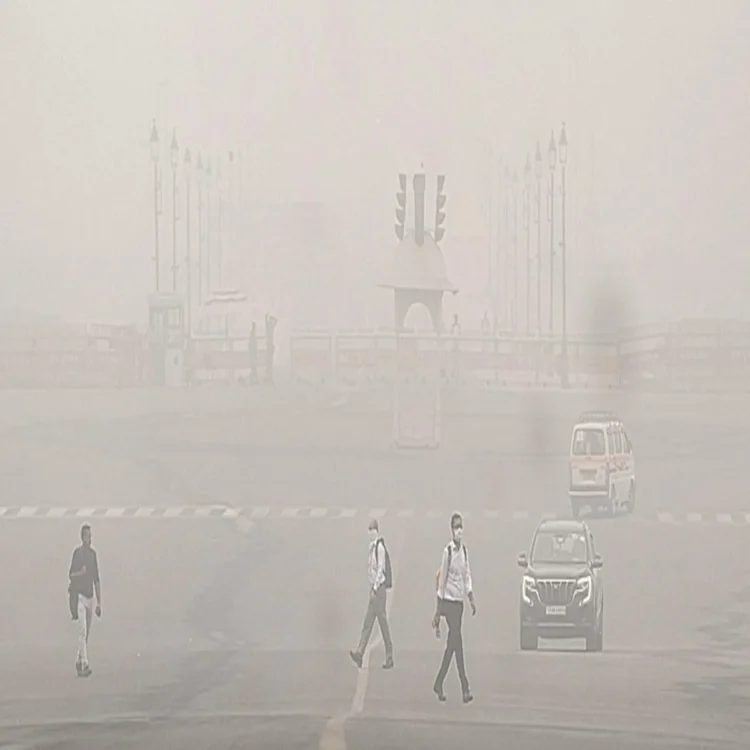
Alongside the temperature changes, Delhi’s air quality improved compared with recent days. Data released by the Central Pollution Control Board indicated that the city’s 24-hour average Air Quality Index stood at 189.
This reading places Delhi in the moderate category, a level where air pollution is considered manageable for most people but may still cause mild discomfort for individuals who are sensitive to pollution.
Environmental experts note that factors such as wind movement, local emissions, and weather patterns play a key role in determining air quality levels. Even modest changes in wind speed or atmospheric conditions can lead to temporary improvements or declines in pollution levels.
Seasonal Shift Likely to Continue
Meteorologists believe the capital may continue to see fluctuating temperatures over the coming days as seasonal conditions evolve. With winter officially behind the region, temperatures are expected to gradually rise, although occasional dips or cooler spells may still occur.
The improvement in air quality is also expected to vary depending on weather conditions and emission levels. Authorities continue to monitor pollution data closely as the city moves further into the warmer months.
For residents, the coming weeks may bring increasingly warm afternoons along with relatively warm nights, signalling the steady arrival of summer in the national capital.