
AirDefense – Saudi Forces Intercept Drone Over Northern Al-Jawf Region
AirDefense – Saudi Arabia’s Ministry of Defence announced on Saturday that its air defence systems successfully intercepted and destroyed an unmanned aerial vehicle that entered the country’s northern airspace. Officials confirmed the drone was detected over the Al-Jawf region before being neutralised by defence units tasked with monitoring the Kingdom’s borders.
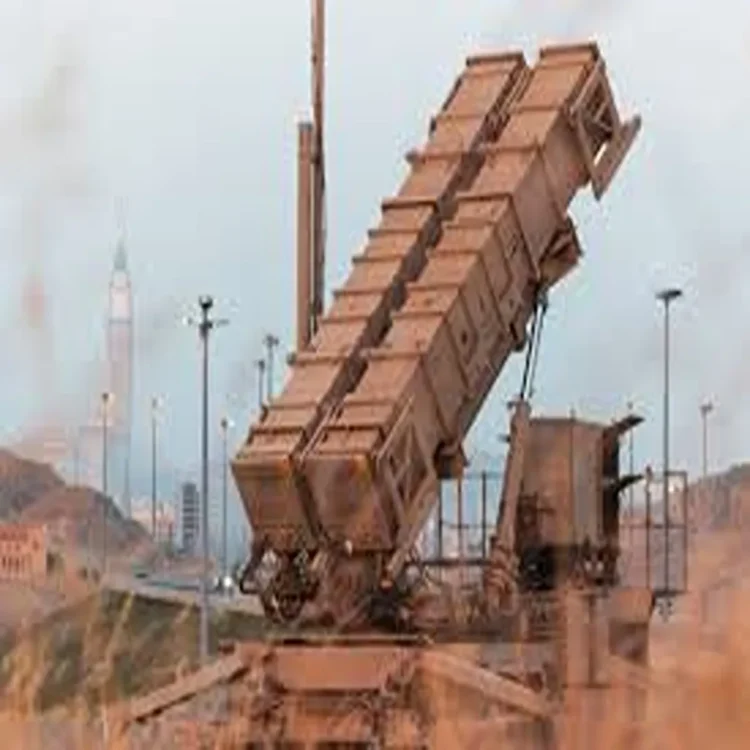
The ministry said the operation was carried out promptly after the aircraft was identified as a potential threat. Military officials stressed that the drone was eliminated before it could approach sensitive sites or cause damage.
Defence Systems Respond to Drone Intrusion
According to the official statement, Saudi radar systems detected the drone as it moved into the country’s northern territory. Air defence forces immediately engaged the target and destroyed it mid-air.
Authorities did not specify where the drone originated from, but they emphasised that the Kingdom’s defence infrastructure remains on high alert to respond to any aerial incursions.
Security officials added that such interceptions demonstrate the readiness of Saudi Arabia’s air defence network, which has been strengthened in recent years to counter growing threats from drones and missiles in the region.
Surge in Aerial Threats Earlier This Week
The latest interception comes just a day after Saudi authorities reported a far larger wave of aerial threats. According to defence officials, nearly 50 drones were detected entering Saudi airspace within a short time frame early Friday.
Air defence systems reportedly tracked and destroyed the incoming drones before they could reach their targets. Officials described the scale of the incident as unusually high, noting that the number of drones detected within a few hours was significantly greater than in previous incidents.
While authorities did not disclose the exact targets of the attempted attacks, they confirmed that the drones were intercepted before posing a direct danger to critical facilities or populated areas.
Key Strategic Sites Under Heightened Security
Security concerns have grown across the Kingdom in recent days as several strategic locations have reportedly faced potential threats. Among the sites placed under heightened protection are major oil infrastructure facilities, the United States Embassy in Riyadh, and a military installation hosting American troops.
Defence officials have not publicly confirmed whether the intercepted drones were directed toward these locations. However, analysts believe the recent incidents reflect rising geopolitical tensions across the Middle East.
The security situation has become increasingly complex amid ongoing confrontations involving Iran and its regional adversaries.
Israeli Military Operations Expand in Tehran
At the same time, military developments elsewhere in the region have added to the growing instability. The Israeli military confirmed that it carried out a new round of strikes in Iran’s capital early Friday.
According to the Israel Defense Forces, the operation targeted infrastructure linked to what it described as the Iranian regime’s military network in Tehran. The strikes were part of a broader campaign aimed at weakening Iran’s operational capabilities.
Israeli officials said the attacks were conducted as part of a wider effort to address perceived security threats connected to Iran’s regional influence.
Bridge Strike in Lebanon Targets Hezbollah Movement
Israel also reported conducting an airstrike in southern Lebanon, targeting the Al-Zrariya Bridge over the Litani River. Israeli authorities stated that the bridge was used by Hezbollah fighters to move personnel and equipment between northern and southern areas of the country.
According to the Israeli military, the strike was intended to disrupt logistical routes used to prepare attacks against Israeli forces. Officials also said the action aimed to prevent further harm to civilians on both sides of the border.
Hezbollah has not immediately issued a response to the reported strike.
US Signals Strong Stance Toward Iran
Meanwhile, US President Donald Trump indicated that Washington intends to maintain a strong approach toward Iran amid the escalating conflict. In a statement shared on social media, Trump asserted that US operations were significantly weakening Iran’s military capabilities.
The president claimed that Iranian naval and air assets had suffered major losses and suggested that ongoing operations would continue to target what he described as hostile elements linked to Iran’s leadership.
Concerns Grow Over Strait of Hormuz
Despite the show of military strength, strategic concerns remain among analysts and policymakers. Reports from US media outlets suggest that American officials may have underestimated the possibility that Iran could attempt to close the Strait of Hormuz, one of the world’s most critical oil shipping routes.
Sources familiar with planning discussions indicated that while contingency plans existed within the US military for such a scenario, decision-makers did not initially expect Iran to pursue that option during the current conflict.
Any disruption to the waterway could have significant consequences for global energy markets and international shipping, further heightening concerns about regional stability.