
LegalCase – Delhi High Court Seeks Responses in Excise Policy Matter
LegalCase – Senior Aam Aadmi Party leader Manish Sisodia on Tuesday said he has complete faith in the country’s judicial system and confirmed that he and other leaders will cooperate with all legal procedures after receiving notices from the Delhi High Court in connection with the excise policy case.
Sisodia made the remarks while speaking to reporters in Jammu during a visit to the residence of detained AAP MLA Mehraj Malik. The former Delhi deputy chief minister had travelled there to meet Malik’s family and express solidarity on behalf of the party.
Sisodia reiterates respect for court process
Responding to questions about the latest development in the case, Sisodia said the party would respect the legal framework and respond through proper judicial channels.
He emphasized that whatever steps the court requires will be followed without hesitation. According to him, respecting the judiciary and cooperating with legal proceedings remains the party’s clear position in the matter.
His comments came shortly after the Delhi High Court issued notices to several political leaders who were earlier discharged by a trial court in the same case.
High Court issues notice to several leaders
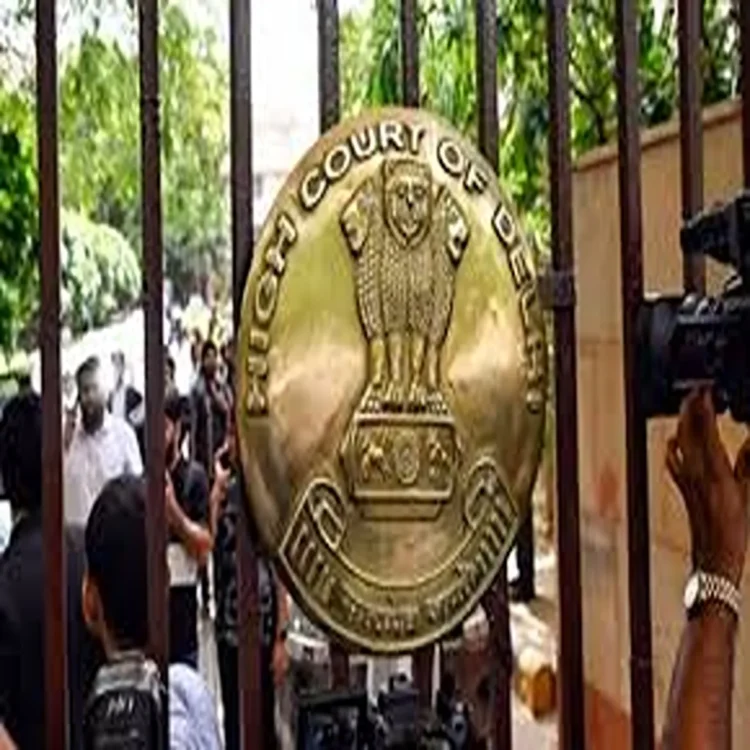
On Monday, the Delhi High Court sought responses from former Delhi chief minister Arvind Kejriwal, Manish Sisodia, and 21 other individuals. The court acted on a petition filed by the Central Bureau of Investigation challenging the trial court’s earlier order that had discharged the accused in the excise policy case.
Justice Swarana Kanta Sharma directed all the accused individuals to submit their replies and scheduled the next hearing in the matter for March 16.
The petition filed by the investigative agency questions the legality and reasoning of the trial court’s decision that had cleared the leaders of the allegations.
Trial court earlier dismissed charges
The developments follow a significant order passed on February 27, when a trial court discharged Kejriwal, Sisodia and others in the excise policy case.
While delivering its ruling, the court strongly criticised the investigation conducted by the CBI. The court observed that the case presented by the agency failed to meet the standards required for judicial scrutiny and concluded that the allegations did not hold up under examination.
According to the trial court’s assessment, the material placed before it did not justify continuing criminal proceedings against the accused individuals.
CBI challenges trial court order
The Central Bureau of Investigation later approached the Delhi High Court, arguing that the trial court’s order was legally flawed. In its petition, the agency claimed that the discharge order was incorrect and undermined established principles of criminal law.
The CBI maintained that the trial court had misinterpreted the evidence and that the case warranted further judicial consideration.
The High Court has now begun examining the petition and has asked all the accused parties to file their responses before the next hearing.
Linked money-laundering proceedings under review
During Monday’s hearing, the High Court also indicated that it may issue directions regarding a related money-laundering investigation being handled by the Enforcement Directorate.
The court said it would consider asking the trial court to pause proceedings in that connected case until the High Court completes its review of the present petition filed by the CBI.
Such a step, if taken, would ensure that related legal proceedings remain aligned while the High Court examines the challenge to the discharge order.
Political and legal attention on upcoming hearing
The matter has drawn attention due to the involvement of senior political leaders and the broader debate surrounding the Delhi government’s excise policy introduced during the Aam Aadmi Party administration.
With notices now issued and responses awaited, the next stage of the legal process will unfold during the scheduled hearing later this month.
For now, the accused leaders have indicated their willingness to participate in the judicial process and respond to the court’s directions as the case moves forward.