
AirQuality – Delhi Records Noticeable Improvement in AQI Levels
AirQuality – The air quality in Delhi showed a marked improvement on Thursday morning, offering some relief to residents after days of higher pollution levels. Data released by the Central Pollution Control Board (CPCB) indicated that the city’s overall Air Quality Index stood at 169 at 8 am, placing it in the moderate category.
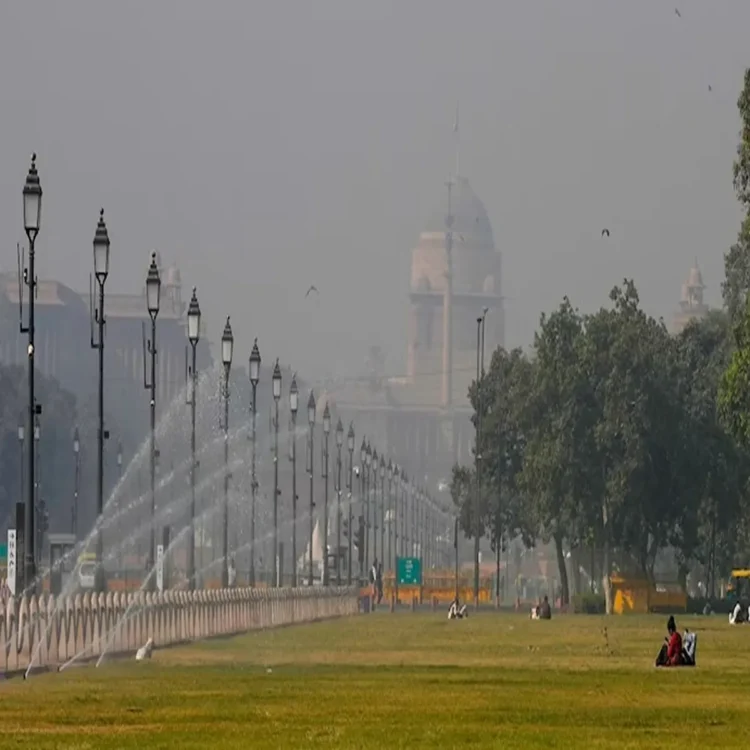
Pollution Levels Ease Across Key Locations
Several monitoring stations across the capital reflected similar trends. The area around India Gate and Kartavya Path reported an AQI of 152, while readings at Indira Gandhi International Airport’s Terminal 3 were lower at 120. Both locations remained within the moderate range, suggesting a steady decline in pollution compared to earlier in the week.
Other prominent areas recorded comparable figures. The AQI at ITO and Dwarka was measured at 152, while RK Puram registered a slightly higher reading of 175. Despite minor variations between neighborhoods, the overall pattern pointed to improved air conditions across the city.
This change comes just two days after the capital’s air quality was categorized as poor. On Tuesday morning at around 8 am, the citywide AQI had climbed to 259, raising concerns about prolonged exposure and health risks for residents.
Understanding the AQI Scale
The Central Pollution Control Board uses the Air Quality Index as a standardized tool to measure and communicate air pollution levels. The index ranges from 0 to 500 and is divided into six categories, each representing a different degree of health impact.
An AQI between 0 and 50 falls under the good category, indicating clean air with little or no risk to health. When the index ranges from 51 to 100, it is considered satisfactory, meaning the air quality is generally acceptable. However, individuals who are particularly sensitive—such as children, older adults, and people with respiratory conditions—may experience mild discomfort.
The moderate category covers AQI values from 101 to 200. At this stage, pollution levels begin to pose health concerns, especially for those with asthma, heart conditions, or lung ailments. Medical experts often advise such groups to limit prolonged outdoor activity during moderate pollution levels.
Health Concerns Rise in Higher Categories
When the AQI enters the 201 to 300 bracket, it is labeled poor. In this range, even healthy individuals may begin to feel breathing discomfort after extended exposure, while vulnerable populations face a greater risk of aggravated symptoms.
Levels between 301 and 400 are described as very poor. Under these conditions, long-term exposure can trigger respiratory illnesses, not only among high-risk groups but also in otherwise healthy people.
The most critical stage is severe, covering AQI values from 401 to 500. At this point, air pollution is considered hazardous for everyone, and authorities often implement emergency measures to reduce emissions and protect public health.
Continued Monitoring Remains Crucial
Although Thursday’s readings indicate improvement, environmental experts stress that air quality in Delhi can fluctuate quickly depending on weather conditions, vehicular emissions, and regional pollution factors. Authorities continue to monitor data closely to track changes and assess the need for intervention.
For now, the shift from poor to moderate offers temporary relief to millions of residents. However, sustained efforts in pollution control and public awareness remain essential to ensure cleaner air in the long term.