
TradeDeal – Manish Tewari Seeks Debate on US-India Pact
TradeDeal – Congress Member of Parliament Manish Tewari on Tuesday moved an adjournment motion in the Lok Sabha, urging the government to pause regular proceedings and hold a detailed discussion on the recent United States–India Joint Statement on the interim trade agreement. He also raised questions about reported commitments related to India’s continued purchase of Russian oil.
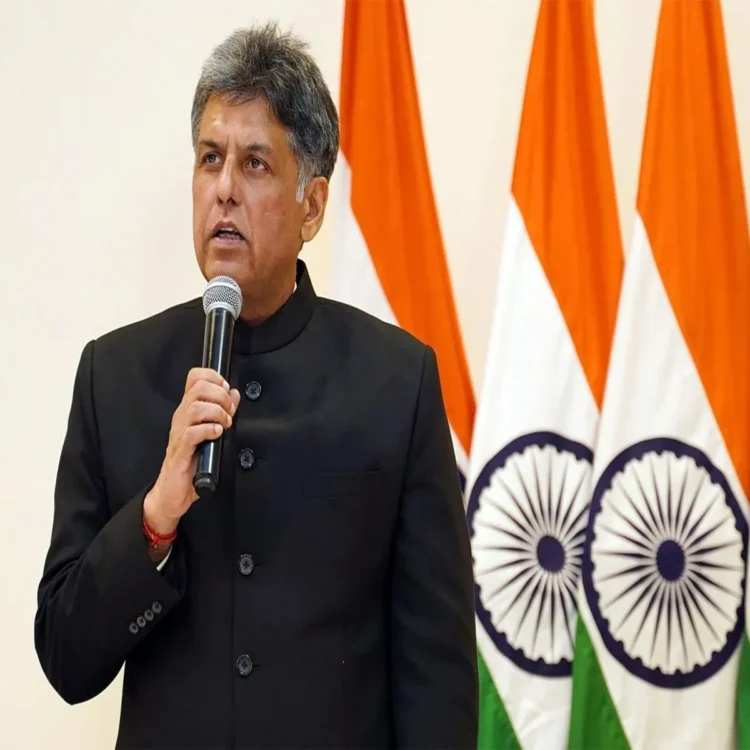
This marks the third occasion on which Tewari has formally sought a debate on the matter in the Lower House.
Call to Suspend Regular Proceedings
In his written submission, Tewari requested that Question Hour, Zero Hour and other scheduled business be set aside to allow Parliament to examine what he described as serious implications arising from the joint statement and the subsequent executive order issued by the White House.
India and the United States announced progress on an interim trade arrangement earlier this month, following a phone conversation between Prime Minister Narendra Modi and US President Donald Trump. A joint statement outlining the framework of the agreement was released days later, and it was followed by the signing of an executive order by the US President.
Tewari’s motion contends that certain aspects of the understanding, particularly those linked to Russian oil imports and agricultural concessions, require clarification. He argued that such elements could have long-term implications for India’s energy security and the interests of its farming community.
Concerns Over Energy and Agriculture
The Congress leader said Parliament must be informed if any assurances were made that might affect India’s ability to source crude oil from Russia. India has continued to import Russian oil in recent years, citing economic considerations and energy needs.
He also pointed to possible concessions in the agriculture sector, suggesting that changes in trade terms could impact domestic producers. According to Tewari, any commitments that influence key sectors of the economy should be placed before lawmakers for transparent discussion.
The motion further emphasised that decisions affecting strategic autonomy and economic priorities should not be left without parliamentary oversight. Tewari urged the government to issue an immediate statement and permit a comprehensive debate.
Opposition Criticism of the Agreement
Opposition parties have voiced reservations about the interim trade framework, arguing that it may tilt in favour of the United States. Some leaders have claimed that the arrangement could expose sensitive sectors to competitive pressures without delivering proportional benefits.
The government, however, has maintained that the agreement represents progress in strengthening bilateral trade ties. Officials from both countries have described the framework as a step toward a broader and more detailed bilateral trade agreement that has been under negotiation since last year.
Framework for Future Negotiations
According to the joint statement, the interim framework aims to promote reciprocal and mutually beneficial trade. It is designed to streamline negotiations for a comprehensive trade pact between the two nations.
The United States has indicated that, under the current arrangement, a reciprocal tariff rate of 18 percent will apply to Indian goods. Both sides have referred to the framework as an important milestone intended to foster balanced trade and reduce longstanding barriers.
For India, discussions have focused on tariff adjustments, sector-specific market access and addressing regulatory challenges that have historically complicated trade flows between the two economies.
As the interim agreement moves forward, political scrutiny is expected to continue. With Tewari renewing his demand for debate, attention is now on whether the government will agree to a full parliamentary discussion on the evolving trade relationship and its broader economic and strategic implications.