
TradeDeal – India and US Seal Interim Pact to Boost Exports
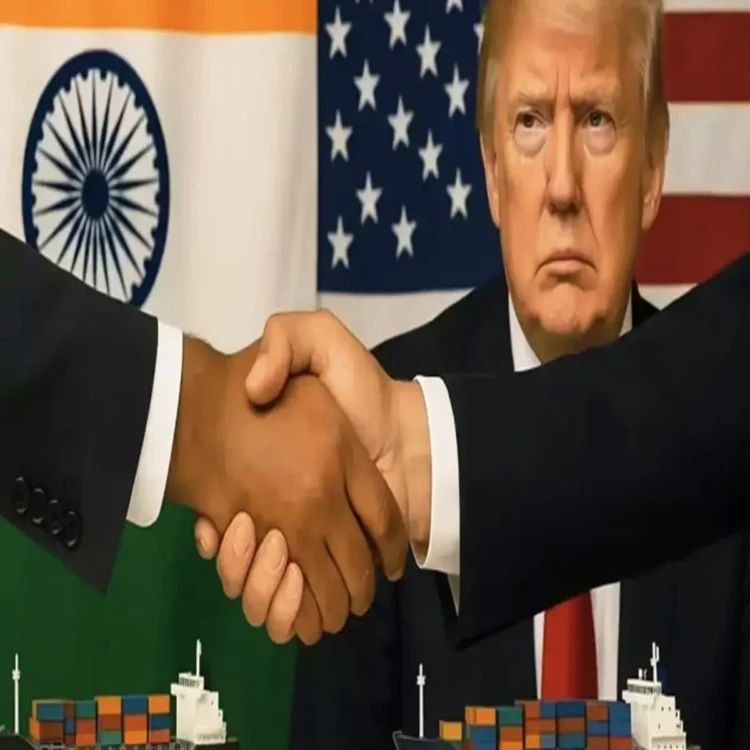
TradeDeal – India and the United States have agreed on the framework of an interim trade pact aimed at expanding two-way commerce and improving access for exporters in both countries. The announcement marks a significant step in ongoing negotiations toward a broader Bilateral Trade Agreement between the two economies.
Jaishankar Highlights Export Opportunities
External Affairs Minister S. Jaishankar described the agreement as a mutually beneficial arrangement that would open new avenues for Indian businesses. In a statement shared on social media, he said the framework is expected to widen market access for domestic exporters while strengthening the overall trade partnership with the United States.
He noted that the understanding aligns with the government’s efforts to promote domestic manufacturing and enhance India’s role in global supply chains. According to him, the interim deal lays the groundwork for deeper cooperation in trade and investment.
Framework Builds on Leaders’ February Initiative
The framework follows discussions initiated earlier this year between Prime Minister Narendra Modi and US President Donald Trump. Those talks set in motion negotiations for a comprehensive Bilateral Trade Agreement intended to address tariffs, market access, and regulatory cooperation.
A joint statement issued by the White House and India’s Commerce Ministry confirmed that both countries view the interim pact as a stepping stone toward concluding a broader and more detailed trade arrangement.
Tariff Adjustments on Indian Exports
Under the terms outlined in the framework, the United States will implement a reciprocal tariff rate of 18 percent on a range of Indian-origin products. These include textiles and apparel, leather goods and footwear, plastic and rubber products, organic chemicals, home décor items, handicrafts, and certain categories of machinery.
At the same time, Washington has agreed to remove tariffs on select aircraft and aircraft components imported from India. These duties had previously been imposed on national security grounds. Officials said the removal is expected to facilitate smoother trade flows in the aviation sector.
India to Ease Duties on US Goods
India, for its part, will eliminate or reduce tariffs on a broad spectrum of American industrial products. The concessions also extend to several agricultural and food items. Among them are dried distillers’ grains used for animal feed, red sorghum, tree nuts, fresh and processed fruits, soybean oil, wine and spirits, along with additional categories yet to be detailed publicly.
The move is designed to enhance competitiveness and encourage greater imports of selected US goods, while balancing domestic industry interests.
Energy and Technology Purchases Planned
As part of the broader understanding, India has indicated its intention to procure goods and services worth approximately USD 500 billion from the United States over the next five years. These planned purchases are expected to cover energy products, aircraft and aviation parts, precious metals, advanced technology products, and coking coal.
Officials say this long-term commitment reflects growing economic interdependence between the two nations and signals confidence in expanding commercial ties.
Commerce Ministry Sees Gains for MSMEs
Union Commerce Minister Piyush Goyal welcomed the interim agreement, stating that it would provide Indian exporters with improved access to one of the world’s largest consumer markets. He noted that sectors such as micro, small and medium enterprises, agriculture, and fisheries could benefit from expanded trade opportunities.
According to the minister, the deal is expected to support export growth and generate employment, particularly for women and young workers engaged in manufacturing and related industries.
With negotiations for a full Bilateral Trade Agreement still underway, both governments have signaled their commitment to building a more stable and predictable trade environment. The interim pact, officials say, represents a pragmatic step toward that objective while delivering immediate benefits to key sectors on both sides.