
TradeDeal – India and United States Signal Progress Amid Talks on Tariffs
TradeDeal – Senior officials from New Delhi and Washington are expected to advance these conversations during a scheduled meeting in the US capital. External Affairs Minister S. Jaishankar and US Secretary of State Marco Rubio are set to hold talks in Washington, DC, at a time when expectations around the proposed trade deal are steadily rising. The meeting is seen as an important step in clarifying both economic and strategic priorities between the two governments.
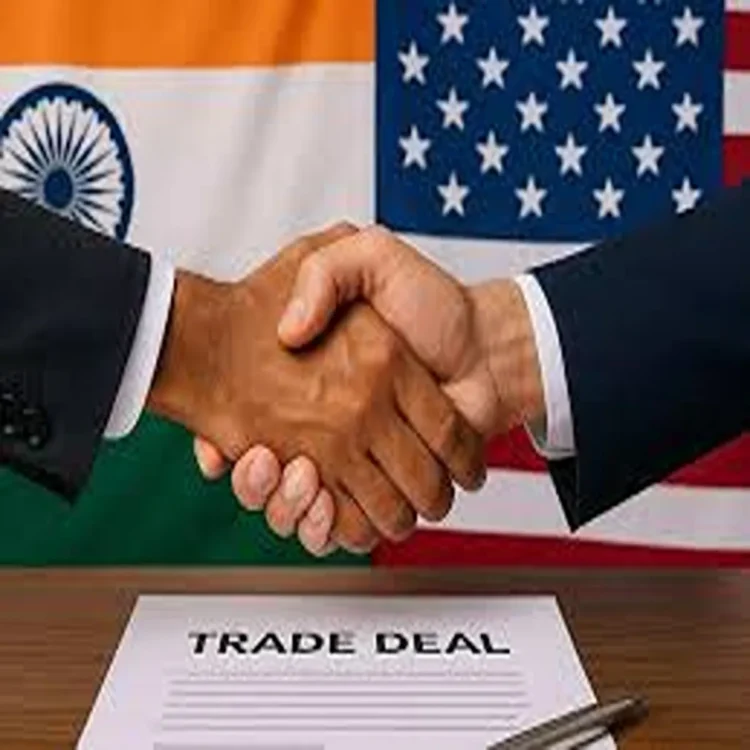
Tariff Reduction Claims Draw Attention
A key point driving interest in the agreement is a statement from US President Donald Trump suggesting that India’s reciprocal tariff rate would fall from 25 percent to 18 percent under the proposed deal. If implemented, the reduction would mark a notable shift in the trade relationship, potentially easing costs for Indian exporters and improving market access in the United States.
In addition, officials in Washington have indicated that an extra 25 percent duty imposed on Indian goods last August—linked to India’s purchase of Russian oil—would be withdrawn. The removal of this penalty would address one of the most contentious issues in recent trade exchanges between the two countries.
Legal Steps Still Pending
Despite these announcements, the changes have not yet been formalized. No executive order has been issued so far, which is a necessary legal step for any tariff adjustment to take effect in the United States. Until such documentation is released, the proposed reductions remain indicative rather than binding.
This lack of formal confirmation has led to a measured response from New Delhi. Indian officials have refrained from reacting publicly to claims that India has halted purchases of Russian oil, emphasizing instead that they are awaiting detailed information from the Office of the US Trade Representative. According to government sources, clarity on the full scope of the agreement is essential before drawing conclusions about its impact.
India’s Position Among Global Competitors
If the proposed 18 percent tariff rate is implemented, India would find itself in a comparatively advantageous position against several regional and global competitors, including Vietnam, Bangladesh, Malaysia, and China. Such a shift could strengthen India’s appeal as a manufacturing and export hub, particularly in sectors sensitive to tariff margins.
However, trade analysts caution that headline figures rarely tell the full story. The actual benefits for Indian industry will depend on product-specific provisions, compliance requirements, and any exemptions or exclusions written into the agreement. Past trade deals have shown that fine print can significantly influence outcomes on the ground.
Energy Purchases Remain Market-Driven
Addressing questions around oil imports, former foreign secretary and Rajya Sabha member Harsh Vardhan Shringla noted that energy purchasing decisions are largely commercial rather than political. He pointed out that many oil-buying entities in India operate in the private sector and base their choices on price competitiveness and supply stability.
This perspective underscores India’s long-standing position that energy security decisions are guided by market conditions. As global oil prices fluctuate, companies are expected to continue sourcing crude from suppliers offering the most favorable terms, regardless of broader geopolitical considerations.
Strategic Implications Beyond Trade
Beyond economics, the ongoing discussions are also being viewed through a strategic lens. Observers say that progress on trade could reinforce wider cooperation between India and the United States, including in regional security initiatives and multilateral groupings. Any forward movement may also set the stage for higher-level political engagement later in the year.
For now, attention remains focused on the outcome of the Washington talks and the release of official documentation. Until the details are confirmed, both sides appear intent on keeping expectations balanced while signaling a willingness to deepen ties.