
India and United States : Move Closer to Durable Bilateral Trade Agreement
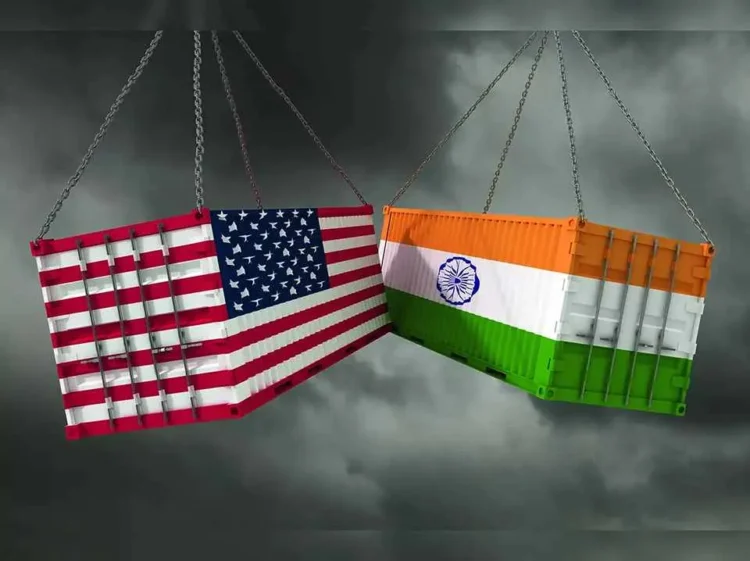
India and United States: Indian and United States officials are intensifying efforts to resolve the remaining hurdles in a proposed bilateral trade agreement, signaling that both sides are closer than ever to a comprehensive understanding. According to officials familiar with the discussions, negotiations are largely aligned on core economic principles, though a handful of sensitive tariff-related and sequencing issues continue to delay final closure. Despite these challenges, both governments are focused on achieving a long-term arrangement that restores stability, predictability, and confidence in bilateral trade relations.
Progress in Recent Negotiations
Over the past several weeks, the scope of negotiations has narrowed significantly. What once included a wide range of trade disputes has now been reduced to a small set of unresolved items. Technical teams from both countries remain in active dialogue, working through policy details and implementation timelines. Officials suggest that once consensus is reached at the technical level, the agreement will be reviewed by the US Trade Representative and India’s Commerce Ministry before moving to the highest political level for approval.
Leadership-Level Engagement
High-level political engagement has played a crucial role in sustaining momentum. Over the last few months, Prime Minister Narendra Modi and President Donald Trump have reportedly held multiple phone conversations, during which the broad framework of the trade agreement was discussed. These interactions have helped align strategic priorities and reinforce political will on both sides. During a recent appearance at the World Economic Forum in Davos, President Trump publicly expressed optimism about achieving a strong and mutually beneficial trade deal with India.
Impact of Tariffs on Trade Flows
One of the most anticipated outcomes of the agreement is the potential removal of the 50 percent tariff imposed on certain Indian exports to the United States since last summer. This tariff has had a pronounced impact on sectors such as textiles and apparel, which rely heavily on the US market. While these industries have faced pressure, officials note that overall bilateral trade has still managed to grow at a high single-digit rate, reflecting resilience in other segments of the economic relationship.
Sector-Wise Performance Trends
Beneath the headline trade figures, officials describe a mixed sectoral picture. Textiles and apparel remain among the most affected industries, although some fabric categories have recorded modest gains. Pharmaceutical exports have followed a similar trajectory, with uneven performance across product lines but an overall increase in shipment volumes. These trends highlight both the challenges and opportunities embedded in the current trade environment.
Legal Uncertainty in the United States
Another element influencing the negotiations is legal uncertainty within the United States. A potential Supreme Court ruling concerning the authority of tariff-setting bodies is not directly shaping the current talks, according to officials. However, it remains a background risk that could alter the legal foundation of certain trade measures. Any such ruling could compel Washington to rely on alternative statutory mechanisms that impose stricter limits on tariff levels and duration.
Congressional and Political Support
Despite these uncertainties, support for stronger India-US economic ties remains robust in the US Congress. Lawmakers from both major political parties have consistently voiced support for deepening trade and investment links with India. This bipartisan backing provides a stable political backdrop for the negotiations and strengthens the prospects for a durable agreement.
Immigration and Business Sentiment
While not formally part of the trade talks, immigration-related developments have also influenced business sentiment. Increased fees for certain skilled-worker visas have raised concerns among companies and professionals who depend on cross-border talent mobility. These issues, though outside the scope of the trade agreement, shape broader perceptions of the bilateral relationship and its future direction.
Outlook for the Agreement
As negotiations enter their final phase, both sides appear committed to bridging remaining differences. Officials emphasize that the objective is not just a short-term compromise, but a lasting framework capable of withstanding political and economic shifts. If successful, the agreement could mark a significant step forward in India-US economic relations, reinforcing cooperation across trade, investment, and strategic domains.