
India: Domestic Aviation Market Emerges as One of the World’s Fastest Growing Sectors
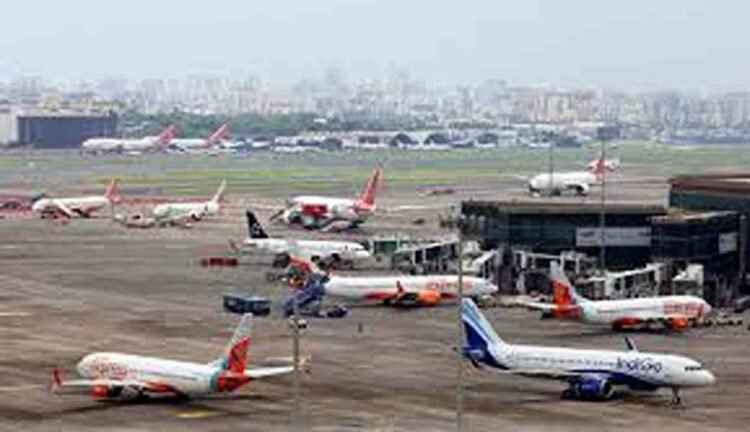
India: India has firmly positioned itself as the third fastest-growing domestic aviation market globally, recording an impressive annual growth rate of nearly 10 to 12 percent. This strong momentum reflects rising passenger demand, expanding airline capacity, and sustained policy support from the government. Speaking at an international forum, Union Civil Aviation Minister Ram Mohan Naidu highlighted how aviation is becoming a key driver of India’s economic and infrastructure development.
Vision for Long-Term Aviation Expansion
The government has outlined an ambitious long-term roadmap for the civil aviation sector, with a clear focus on scale, connectivity, and sustainability. Addressing global stakeholders at the World Economic Forum in Davos, the Minister said India plans to expand its airport network to 350 airports by the year 2047. This marks a significant jump from the current count of 164 operational airports and reflects the country’s intention to make air travel accessible to more regions, including remote and underserved areas.
Aircraft Orders Signal Strong Market Demand
Indian airlines are preparing for future growth by placing orders for nearly 1,700 new aircraft, one of the largest combined order books in the global aviation industry. These aircraft acquisitions underline strong confidence in long-term passenger growth, rising middle-class incomes, and increased preference for air travel over other transport modes. The expansion is also expected to generate employment across aviation operations, engineering, ground services, and airport management.
Strengthening Global Aviation Cooperation
International collaboration remains a key pillar of India’s aviation strategy. During the Davos meetings, Naidu held discussions with Apostolos Tzitzikostas, focusing on deeper cooperation between European and Indian aviation regulators. Talks covered joint certification processes, aviation cybersecurity frameworks, and evolving drone regulations, aiming to harmonize safety standards and improve regulatory efficiency across borders.
Focus on Manufacturing and MRO Ecosystem
Separate meetings were also held with senior representatives from Airbus and Boeing. The Minister encouraged both manufacturers to invest in aircraft component manufacturing and maintenance, repair, and overhaul facilities within India. Developing a strong MRO ecosystem is expected to reduce operational costs for airlines, lower dependence on overseas facilities, and position India as a regional aviation services hub.
Expanding Helicopter and Regional Services
Beyond commercial airlines, the government is pushing to expand helicopter services across multiple sectors. These include tourism, emergency medical services, disaster response, and regional connectivity. Improved helicopter infrastructure can play a crucial role in connecting hilly and remote regions, while also strengthening healthcare access through faster medical evacuations.
Sustainable Aviation and Cost Efficiency
In discussions with global investors, fuel efficiency and the adoption of Sustainable Aviation Fuel emerged as major themes. The Minister emphasized that cleaner fuel alternatives and modern aircraft technology could significantly reduce operating costs. Lower costs, in turn, may translate into more affordable air tickets, helping bring air travel within reach of the common citizen while supporting environmental goals.
Showcasing India’s Aviation Transformation
At the India Pavilion in Davos, detailed presentations and visual displays showcased the rapid transformation of India’s aviation sector. The exhibits attracted strong interest from international delegates, investors, and policymakers, reinforcing India’s image as one of the most dynamic and opportunity-rich aviation markets in the world.