
Infrastructure – Delhi-Dehradun Corridor Set to Transform Regional Connectivity
Infrastructure – Uttar Pradesh Chief Minister Yogi Adityanath on Tuesday described the launch of the Delhi-Dehradun Economic Corridor as a landmark step that will reshape connectivity and development across the region. He noted that Saharanpur is poised to witness a defining moment as Prime Minister Narendra Modi dedicates the major infrastructure project to the nation.
A Major Boost to Regional Connectivity
Highlighting the importance of the project, the Chief Minister stated that the new corridor will connect Delhi, Uttar Pradesh, and Uttarakhand through a modern, high-speed route. Built at an estimated cost of around ₹12,000 crore, the expressway is expected to significantly reduce travel time and improve overall mobility between key cities.
He emphasized that the project is more than just a road network. According to him, it represents a step toward building stronger economic links and unlocking new opportunities for trade, tourism, and investment in the region. The corridor is also expected to improve accessibility for businesses and commuters alike, helping to drive economic activity in surrounding areas.
Prime Minister’s Visit and Scheduled Events
As per official information, Prime Minister Narendra Modi is set to visit both Uttar Pradesh and Uttarakhand as part of the inauguration programme. During his visit, he will first reach Saharanpur, where he will inspect the wildlife corridor built along an elevated stretch of the expressway.
Following this, the Prime Minister is scheduled to visit the Jai Maa Daat Kali Temple near Dehradun for prayers. Later in the day, he will formally inaugurate the Delhi-Dehradun Economic Corridor at a public gathering in Dehradun and address attendees, marking the completion of a significant infrastructure initiative.
Key Features of the Corridor
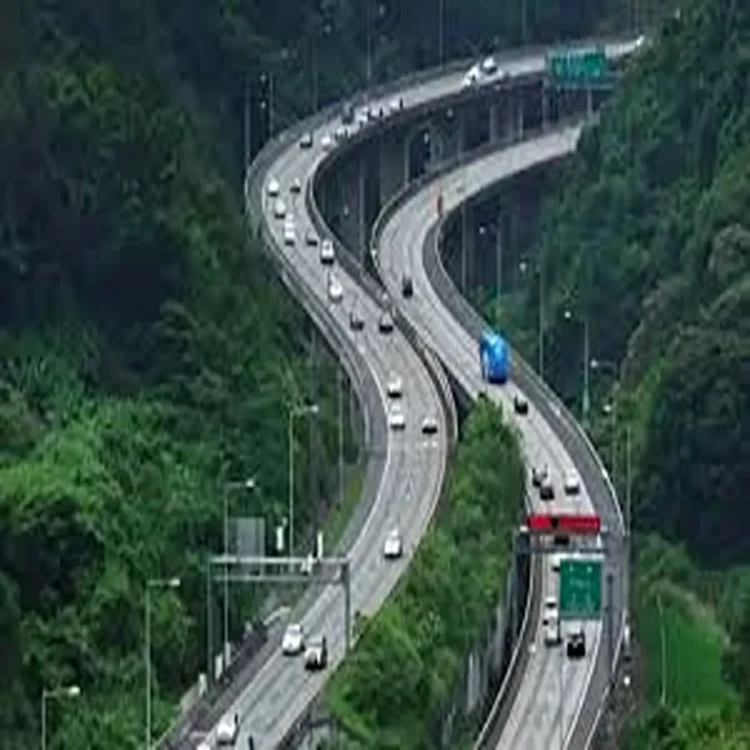
The Delhi-Dehradun Economic Corridor stretches over 213 kilometres and has been designed as a six-lane, access-controlled highway. The project includes multiple structural elements aimed at ensuring smooth and efficient travel. These include 10 interchanges, three railway overbridges, four major bridges, and 12 designated wayside facilities for travelers.
To further enhance safety and traffic management, the corridor is equipped with an Advanced Traffic Management System (ATMS). This system is expected to help regulate traffic flow, reduce congestion, and improve road safety for commuters using the route.
One of the most notable outcomes of the project will be a substantial reduction in travel time. The journey between Delhi and Dehradun, which currently takes more than six hours, is expected to be cut down to approximately two and a half hours once the corridor becomes fully operational.
Focus on Environmental Protection
In addition to improving infrastructure, the project also incorporates several eco-friendly features. Authorities have taken steps to ensure that wildlife movement is not disrupted by the new highway.
A 12-kilometre-long elevated wildlife corridor has been constructed as part of the project. This section includes special provisions such as animal crossings, elephant underpasses, and a tunnel near the Daat Kali temple area. These measures are aimed at maintaining natural wildlife routes and reducing the risk of accidents involving animals.
Officials believe that this approach strikes a balance between development and environmental conservation, ensuring that infrastructure growth does not come at the cost of ecological stability.
Expected Impact on Economy and Tourism
The corridor is expected to play a crucial role in boosting economic growth across northern India. Improved connectivity between major cities and tourist destinations will likely lead to increased visitor numbers, benefiting the hospitality and service sectors.
Industrial development is also expected to gain momentum, as faster transportation will make it easier to move goods and access markets. The project is likely to attract new investments and create employment opportunities in the region.
Overall, the Delhi-Dehradun Economic Corridor is being seen as a transformative initiative that will enhance connectivity, support economic expansion, and promote sustainable development across Delhi, Uttar Pradesh, and Uttarakhand.