
Cricket – New Indoor Academies Set to Transform Northeast Training Infrastructure
Cricket – Prime Minister Narendra Modi on Tuesday inaugurated a series of modern indoor cricket academies across six northeastern states, marking a significant step toward strengthening sports infrastructure in the region. The facilities, launched virtually, are located in Manipur, Arunachal Pradesh, Sikkim, Meghalaya, Mizoram, and Nagaland. Cricket bodies in these states have welcomed the initiative, noting that the academies will provide uninterrupted training opportunities, particularly during the long monsoon season.
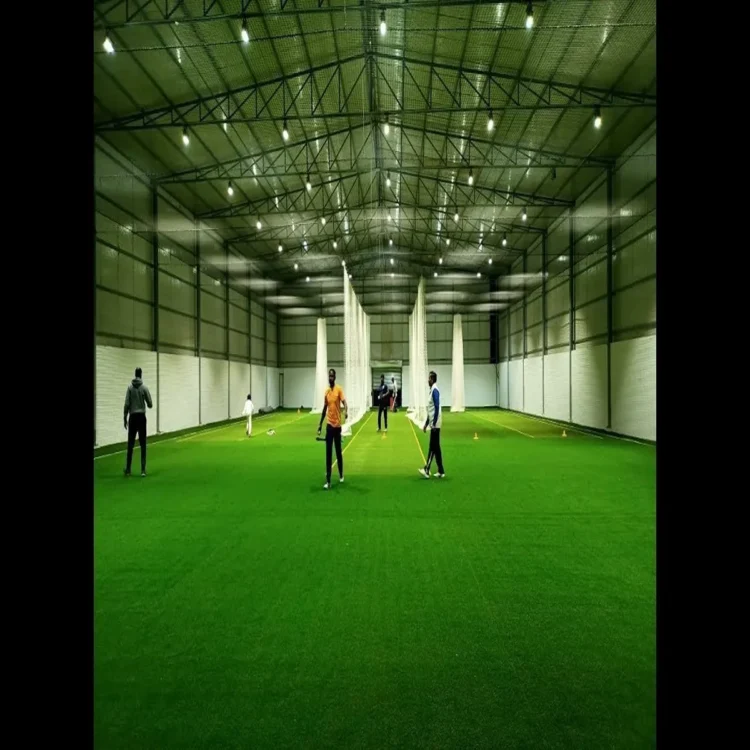
Advanced facilities expected to improve year-round training
Officials associated with the Manipur Cricket Association described the development as a defining moment for the state’s sporting landscape. Secretary Lairenjam Geetranjan Singh said the academy is equipped with high-quality infrastructure, including multiple indoor pitches, a fully functional gym, administrative spaces, and a heated swimming pool.
According to Singh, the new setup will allow players to continue training and skill development throughout the year, regardless of weather conditions. He also highlighted that the Board of Control for Cricket in India (BCCI) has committed to covering maintenance and operational costs for the first two years, easing the financial burden on the state association.
Reduced dependence on external training facilities
For years, cricketers from the region have faced challenges due to heavy rainfall, often requiring them to travel outside their states for consistent practice. The new indoor academies are expected to address this issue directly. Singh pointed out that the availability of local, all-weather facilities will significantly reduce expenses and logistical difficulties associated with sending players elsewhere.
He also shared that Manipur’s cricketing progress has been notable in recent times. During the 2025 domestic season, the state reached the finals in five BCCI tournaments and secured two titles in the Under-19 category. Importantly, all players representing the state were developed locally, reflecting the growing strength of grassroots cricket in the region.
Arunachal Pradesh sees project as a milestone
In Arunachal Pradesh, cricket officials have also expressed optimism about the new academy. State association president Nabam Vivek termed the inauguration a landmark occasion, emphasizing that such infrastructure could play a crucial role in elevating the region’s presence in national cricket.
Vivek noted that the extended monsoon season, which lasts for several months each year, has historically disrupted training schedules. With the indoor facility now operational, players will have a consistent environment to practice and improve.
Demand for full-scale stadiums continues
While welcoming the academies, Arunachal Pradesh officials also highlighted the need for full-fledged cricket stadiums in the state. Vivek said efforts are ongoing to persuade the BCCI to invest in stadium construction so that domestic tournaments such as the Ranji Trophy and Vijay Hazare Trophy can be hosted locally.
At present, the lack of proper stadium infrastructure forces the state to conduct its home matches in other regions. Officials believe that developing stadiums alongside training facilities will complete the ecosystem needed for cricket to flourish in the northeast.
Players hopeful for stronger performance and discipline
Senior cricketer Techi Doria expressed satisfaction with the new development, stating that the indoor academy will help players overcome long-standing challenges. He recalled the difficulties faced during the rainy season, when outdoor practice was often not possible.
Doria added that the availability of modern training facilities would encourage players to maintain discipline and consistency. With fewer obstacles to regular practice, he believes athletes will be more motivated to improve their performance and compete at higher levels.
Overall, the launch of indoor cricket academies across six northeastern states is being seen as a major boost for regional sports development. Stakeholders expect that improved infrastructure will not only enhance training standards but also help identify and nurture talent from an area that has steadily gained prominence in Indian cricket.