
Court – Delhi High Court Questions Delay in Minority Commission Appointments
Court – The Delhi High Court has asked the city government to clarify why key positions in the Delhi State Minorities Commission have remained unfilled for an extended period. The court’s observation highlights concerns over administrative delays and the functioning of statutory bodies responsible for safeguarding minority rights.
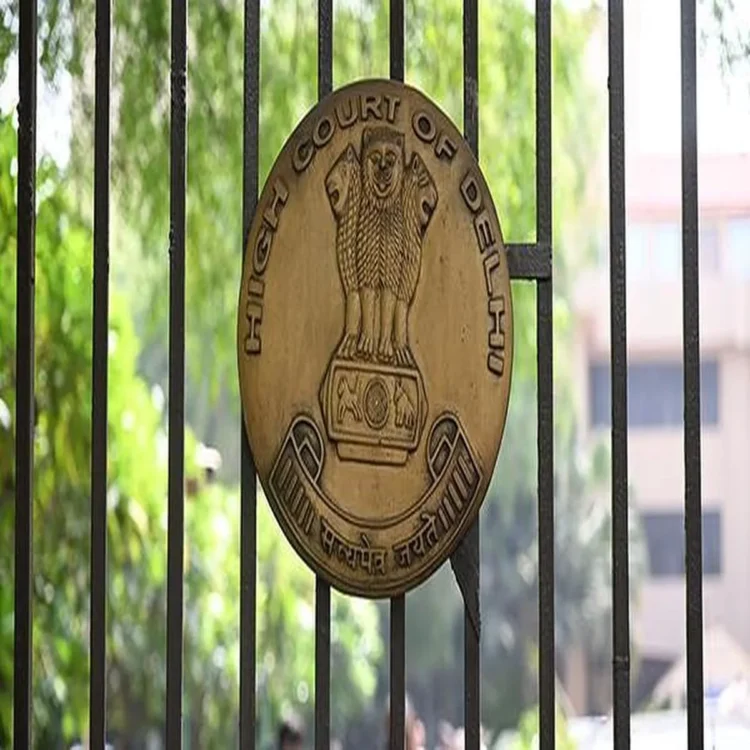
Court Seeks Explanation on Prolonged Vacancies
A bench led by the Chief Justice raised the issue during a hearing and noted that the posts of chairperson and members have been vacant since August 2023. The judges emphasized that such important roles cannot remain unoccupied indefinitely, as it affects the commission’s ability to carry out its responsibilities effectively.
The court formally issued a notice to the Delhi government, asking it to submit a detailed affidavit. This document must outline the reasons behind the delay and provide a clear timeline for when the appointments will be completed.
Petition Highlights Administrative Inaction
The matter reached the court through a public interest litigation filed by Salek Chand Jain. The petitioner argued that despite the legal requirement to fill vacancies promptly, no steps had been taken for several months.
During the proceedings, the bench observed that while the law uses the phrase “as soon as may be” regarding appointments, it cannot be interpreted as allowing indefinite postponement. The judges described the delay as excessive and stressed that such provisions are meant to ensure timely action, not to justify prolonged inaction.
Government Directed to Respond Within Timeline
The Delhi government has been instructed to present its response before the next hearing, scheduled for August 12. The affidavit must clearly explain what actions, if any, have been taken so far and what steps are planned to fill the vacant posts.
The court’s intervention reflects its broader concern about maintaining accountability in governance and ensuring that statutory institutions remain functional. Earlier, the bench had also sought responses from the central government in a related matter involving delays in appointments.
Tribunal Issues Guidelines on Park Usage
In a separate but related development concerning public spaces, the National Green Tribunal has placed restrictions on the use of parks in Delhi for events. The tribunal directed that designated parks should not host events for more than 10 days in a month.
This order aligns with earlier directions issued by the Supreme Court and aims to balance public use with environmental protection. The tribunal was hearing a case involving the alleged misuse of a park in Rohini for frequent events.
Waste Management Concerns Raised
While reviewing the case, the tribunal also pointed out the presence of solid waste in the park area. It instructed the Municipal Corporation of Delhi to take immediate steps to clear the waste and ensure better maintenance of public spaces.
The ruling underscores the need for stricter monitoring of how public parks are used and maintained. Authorities have been reminded to follow environmental guidelines while permitting events in such areas.
Broader Implications for Governance
Both the High Court’s and the tribunal’s directions highlight ongoing concerns about administrative efficiency and environmental management in the capital. Vacant positions in key commissions can hinder policy implementation and grievance redressal, while unchecked use of public parks can lead to ecological damage.
These developments signal a push by judicial bodies to ensure that government authorities act within reasonable timelines and adhere to established rules. The upcoming hearings and compliance reports will determine how quickly the concerned agencies respond to these directives.
Tags: Delhi High Court, Minorities Commission, Delhi Government, Public Interest Litigation, Administrative Delay, National Green Tribunal, Park Usage Rules, Environmental Protection, Municipal Corporation of Delhi, Governance Accountability,