
WildlifeCorridor – WII Raises Objections to Uttarakhand Road Expansion Near Tiger Habitat
WildlifeCorridor –The proposed expansion of the 22-kilometre Pipalkoti–Pashulok Barrage road in Uttarakhand has come under scrutiny after the Wildlife Institute of India (WII) recommended against widening the route in its current form. A detailed field assessment conducted by the institute found evidence of regular movement of tigers and several other wild animals through the area, raising concerns that the project could damage a critical wildlife corridor and disturb the fragile ecosystem surrounding the Rajaji Tiger Reserve.
Wildlife Study Highlights Ecological Concerns
The WII submitted its findings to the Uttarakhand Public Works Department (PWD), stating that converting the existing single-lane road into a wider carriageway could significantly impact wildlife habitats. According to the report, the proposed work may fragment an important animal movement corridor, increase habitat disturbance and require the removal of thousands of trees within the environmentally sensitive Shivalik forest region.
The road, commonly known as the Jagmohan Motor Road, links Pashulok Barrage with Garud Chatti and Pipalkoti. Although the road itself received approval in 1987, long before the surrounding landscape was designated as part of a tiger reserve, increasing traffic over the years prompted the PWD to seek approval for widening the stretch.
Camera Traps Confirm Presence of Tigers
The expansion proposal was placed before the State Wildlife Board in 2025. Given the ecological significance of the region, the board instructed the PWD to first obtain an independent scientific assessment from the Wildlife Institute of India before moving ahead with construction.
During the study, researchers installed camera traps at multiple locations along the proposed alignment. Officials familiar with the findings said the cameras recorded images of tigers and several other wild species using the corridor, confirming that the route continues to serve as an active passage for wildlife.
Based on these observations, the institute advised against implementing the existing road-widening proposal without significant changes that would protect the natural movement of animals across the landscape.
Large-Scale Tree Felling Adds to Concerns
Apart from wildlife movement, the environmental cost of the project has also emerged as a major issue. Forest department estimates indicate that approximately 3,811 trees would need to be cut down if the original widening plan proceeds.
The expected loss of forest cover was one of the primary reasons authorities sought a comprehensive ecological evaluation before granting further approvals. Officials believe preserving the region’s biodiversity will remain a key consideration in any future infrastructure plan.
Authorities Explore Alternative Designs
Following the objections raised by the WII, the Public Works Department has begun examining alternative engineering solutions that could improve road connectivity while reducing environmental damage.
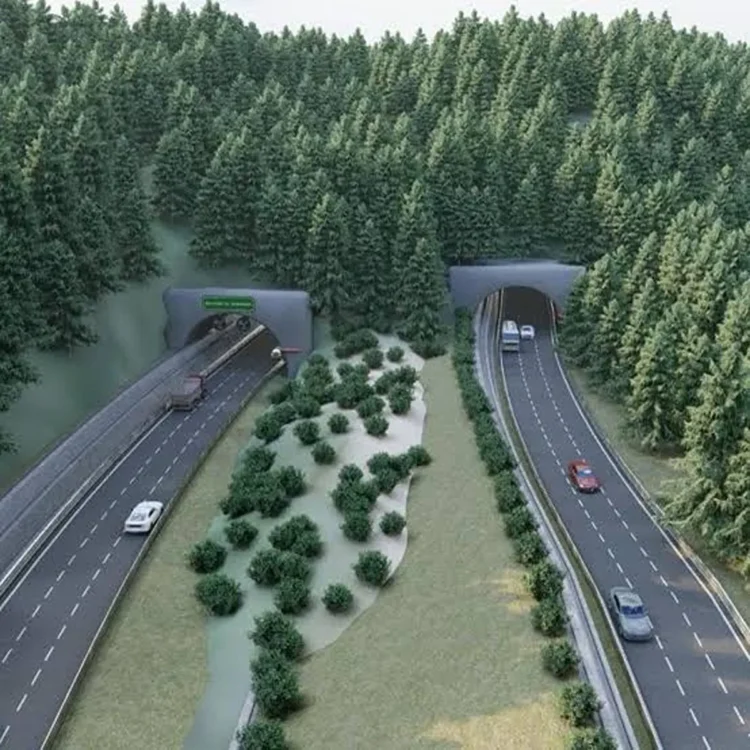
Among the options under consideration are constructing an elevated road section and developing dedicated wildlife underpasses. The department has formally requested the institute to carry out an additional assessment and recommend the most suitable design that balances transportation needs with conservation priorities.
PWD Engineer-in-Chief Rajesh Chandra Sharma said the department has asked the WII to evaluate the practicality of these alternatives. He noted that the road remains important for regional connectivity and that recommendations aimed at ensuring uninterrupted wildlife movement would be incorporated into the revised proposal.
Executive Engineer Nirbhay Singh also said an elevated alignment could provide several advantages. Besides reducing the overall travel distance by nearly two kilometres, such a design could limit tree felling and allow animals to move freely beneath the roadway without major disruption.
Revised Proposal to Follow Scientific Recommendations
Officials said no final decision on the project will be taken until the Wildlife Institute of India submits its fresh recommendations. The revised road plan is expected to place greater emphasis on environmental safeguards while addressing transportation requirements in the region.
Authorities maintain that future planning will focus on achieving a balance between infrastructure development and the long-term protection of Uttarakhand’s forests and wildlife