
Wildlife – Saranda Forest Rescue Centres Planned After Elephant Blast Deaths
Wildlife – Authorities in Jharkhand have started developing dedicated rescue facilities for wild elephants in the Saranda forest region after a series of deaths caused by improvised explosive device blasts. Officials say the move is aimed at improving emergency treatment for injured animals and reducing fatalities in one of the country’s sensitive forest zones.
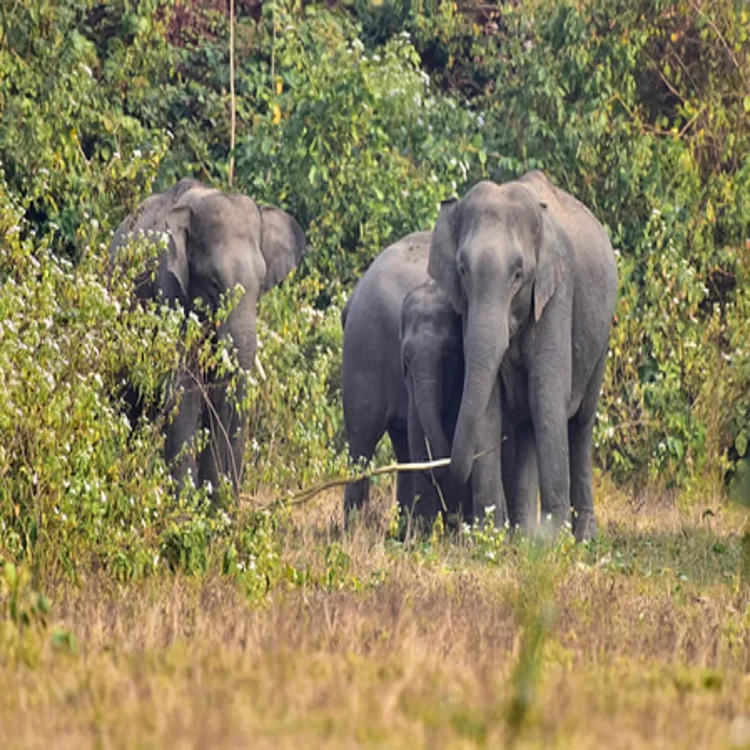
The decision comes after another elephant recently died from injuries sustained in an explosion inside the Saranda forest area. The animal reportedly succumbed during treatment on Thursday evening, renewing concerns among forest officials and wildlife experts about the growing danger posed by explosives hidden in the forest.
Rescue Facilities Planned in Forest Region
According to forest department officials, two elephant rescue centres, commonly known as kraals, are currently being developed in the Saranda region. These facilities are intended to provide immediate medical support to elephants wounded in blast incidents.
Saranda Divisional Forest Officer Aviroop Sinha said the administration initiated the project after repeated incidents linked to Maoist-planted explosives in the forest belt. Officials believe quick medical intervention inside the forest could significantly improve the survival chances of injured elephants.
One rescue centre is being established in Anandpur, while another is under construction in Noamundi. These centres will include protected enclosures where injured elephants can be safely treated, especially in situations where animals become aggressive due to pain or trauma.
Medical Support Strengthened for Wildlife Emergencies
Forest authorities have also expanded emergency medical infrastructure to handle wildlife injuries more effectively. A specialised medical rescue truck and two medical vans have been deployed to reach affected forest areas quickly and provide treatment on-site.
Officials stated that a dedicated team of trained veterinary doctors is now available to manage emergency situations involving elephants without relying on external support. The department hopes the improved response system will reduce delays during critical rescue operations.
Apart from the two new facilities in Saranda, another rescue centre has already been set up near Dimna Lake in Jamshedpur. This centre is expected to support wildlife treatment efforts in nearby forest regions as well.
Rising Threat From Explosives in Forest Areas
Forest officials revealed that six elephants have suffered injuries from IED blasts in the Saranda forest during the past year. Out of those, five died in Jharkhand while another crossed into Odisha before eventually succumbing to its injuries.
The repeated incidents have highlighted the growing risks faced not only by security personnel but also by wildlife inhabiting the dense forest zone. Authorities say the explosives were allegedly planted by Maoist groups active in the region.
Security agencies estimate that a limited number of Maoist members are still hiding in the Saranda forests after being removed from several other parts of Jharkhand. However, officials believe thousands of explosive devices may still remain buried across the forest terrain.
Concern Over Elephant Safety Intensifies
Wildlife experts and environmental groups have expressed concern over the increasing number of elephant casualties linked to hidden explosives. Saranda forest is known for its rich biodiversity and elephant movement corridors, making the situation particularly alarming for conservation efforts.
Officials admitted that the absence of nearby treatment facilities in earlier incidents may have affected rescue operations. With the new centres and medical support system in place, authorities expect faster intervention in future emergencies.
The recurring deaths have also raised broader questions about wildlife protection in conflict-affected forest zones. Conservation workers say ensuring safe movement for elephants and other wild animals has become an urgent priority in areas where explosive threats continue to exist.