
Wildlife – Jharkhand Expands Elephant Corridors to Reduce Human Conflict Risks
Wildlife – Jharkhand is stepping up efforts to address the growing challenge of human-elephant conflict by strengthening and expanding elephant corridors across the state. The move comes after a worrying rise in casualties over recent years. In the first few months of 2026 alone, at least 28 people have lost their lives in encounters involving elephants, highlighting the urgency of coordinated conservation measures.
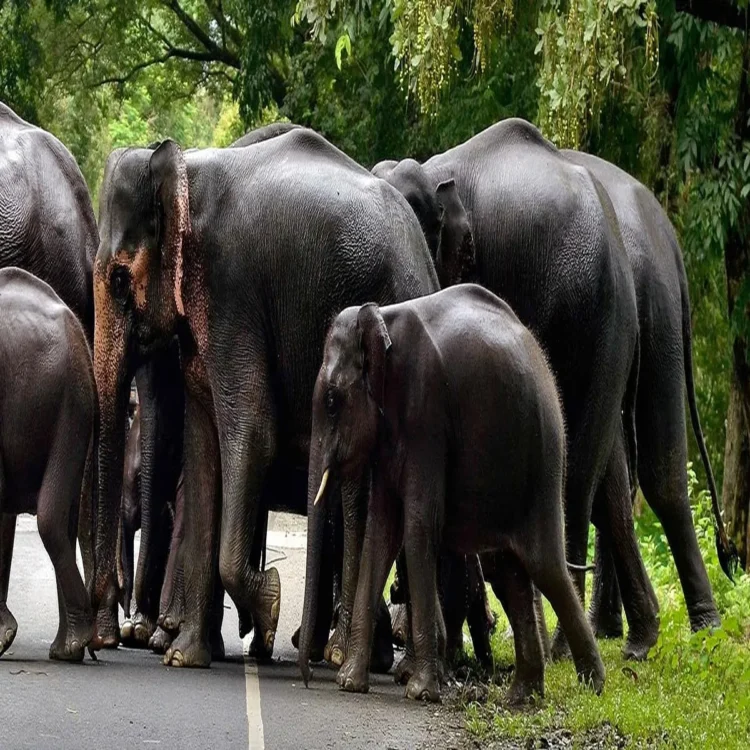
Rising Conflicts Beyond Forest Boundaries
A recent ground-level assessment conducted by a Maharashtra-based group, Wildlife & We Protection Foundation, has brought new insights into the issue. The study found that nearly 80 percent of fatal encounters occurred outside forest areas, suggesting that elephants are increasingly moving into human-dominated spaces.
This trend indicates a deeper ecological concern. Experts believe that elephants are being pushed out of their natural habitats due to insufficient food and shrinking forest resources. As they venture into agricultural lands and villages in search of sustenance, the likelihood of conflict rises significantly.
Strengthening Corridors for Safer Movement
To tackle this issue, the state Forest Department is working on a detailed plan aimed at improving habitat conditions within designated elephant corridors. Currently, Jharkhand has identified 17 such corridors, which serve as vital pathways for elephant movement.
Authorities are focusing on enhancing connectivity between these corridors to ensure uninterrupted migration routes. By restoring forest cover and addressing ecological gaps, officials aim to reduce the need for elephants to stray into populated areas.
The corridors are being carefully mapped by considering natural features such as hills, forest patches, and ecological linkages. These efforts are expected to create a more stable environment for wildlife while minimizing risks for nearby communities.
Survey and Data-Driven Planning
The corridor assessment was carried out using CAMPA funds, and a comprehensive report has already been prepared. Officials are currently conducting on-ground verification to validate the findings before finalizing development plans.
According to forest authorities, the survey has highlighted several problem areas within these corridors that disrupt elephant movement. Addressing these issues is now a priority, with targeted interventions planned to restore ecological balance.
The study also examined village demographics and farming practices within corridor regions. Detailed data has been collected on crop patterns and the types of crops that attract elephants, helping authorities design more effective mitigation strategies.
Training and Community Awareness Initiatives
Alongside infrastructure improvements, capacity-building efforts are also underway. The Wildlife & We Protection Foundation has been engaged to train forest personnel in handling elephant-related situations and managing corridor ecosystems.
Frontline forest staff are receiving specialized training on elephant behavior, feeding habits, and movement patterns. This knowledge is crucial for early warning systems and conflict prevention.
Additionally, awareness programmes are being conducted for local communities living near these corridors. Educating villagers about safe practices and precautionary measures is seen as a key step in reducing human casualties.
Focus on Key Elephant Habitats
The Palamu Tiger Reserve remains the largest habitat for elephants in Jharkhand, with an estimated population of around 130 individuals. Authorities are closely monitoring this region as part of their broader conservation strategy.
Efforts are also being made to study the spatial relationship between major forest tracts and connecting ecological strips. Understanding these linkages is essential for maintaining a continuous and functional corridor network.
Experts emphasize that long-term success will depend on restoring natural habitats and ensuring sufficient food availability within forests. Without addressing these root causes, elephants are likely to continue moving into human settlements.
A Balanced Approach to Conservation
Jharkhand’s renewed focus on corridor development reflects a shift towards a more scientific and sustainable approach to wildlife management. By combining habitat restoration, data analysis, and community engagement, the state aims to create a safer coexistence between humans and elephants.
While challenges remain, officials believe that these coordinated efforts will gradually reduce conflict incidents and protect both human lives and wildlife.