
Wildlife – Cross-Border Efforts Help Save Injured Migratory Vulture
Wildlife – Despite ongoing diplomatic tensions between India and Pakistan, a recent wildlife rescue has demonstrated how scientific collaboration can rise above borders. Conservationists from both countries worked together swiftly to save a rare vulture species after it was injured during extreme weather conditions in Pakistan.
Rescue Operation Triggered by Tracking Alert
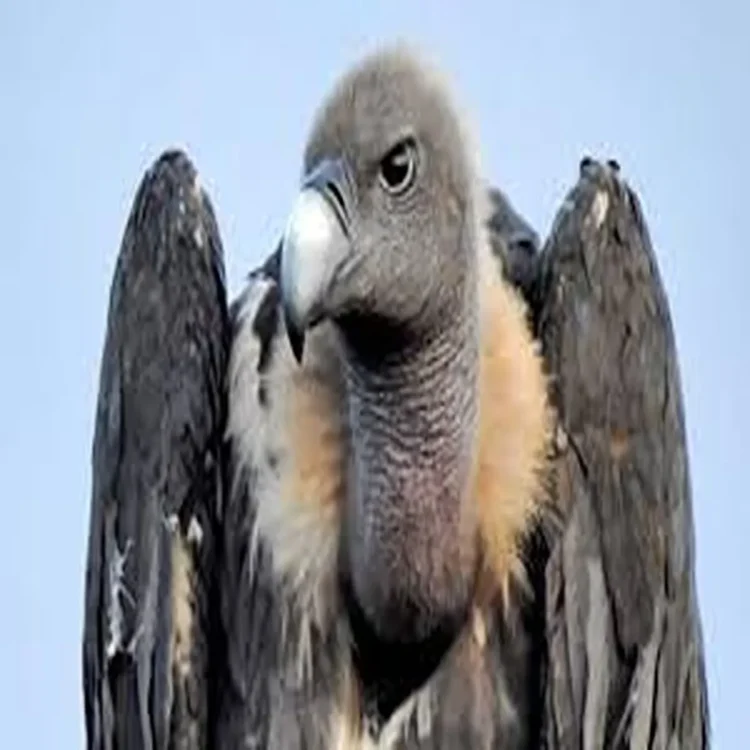
The incident involved a young female Cinereous Vulture, a species considered near threatened globally. The bird had been fitted with a GPS-GSM tracking device as part of a conservation initiative in India. After being released into the wild from Van Vihar National Park in Bhopal, the vulture began its natural migration journey, eventually crossing into Pakistan.
However, on April 7, the tracking system indicated no movement from the bird, raising immediate concern among wildlife experts. Authorities at WWF-India quickly reached out to their counterparts at WWF-Pakistan, requesting urgent assistance in locating the bird.
Severe Weather Leaves Birds Stranded
According to officials in Pakistan, a powerful hailstorm struck the Khanewal and Multan districts on the same day. The storm left at least two large vultures, including the tagged Cinereous Vulture and a Eurasian Griffon Vulture, grounded and unable to fly.
Local residents spotted the distressed birds and promptly alerted wildlife authorities. Acting on this information, the Pakistan Forest Department, along with WWF-Pakistan, successfully recovered both birds from the affected areas.
Medical Care and Recovery Progress
The rescued vultures were given initial medical attention before being transported to the Changa Manga Vulture Captive Breeding Centre. Experts confirmed that the Cinereous Vulture sustained only minor injuries and is now showing steady signs of recovery. Both birds have resumed feeding normally and remain under close observation.
While the tracking device attached to the Cinereous Vulture could not be recovered, officials confirmed that its identification was verified through other means. Conservation teams from both countries continue to stay in contact to monitor the bird’s health and plan for its eventual release back into the wild.
Scientific Monitoring Plays Key Role
The vulture had originally been rescued earlier this year from a village in Madhya Pradesh’s Shajapur district. After receiving treatment, it was released at the Halali Dam site in Raisen district, a location selected based on scientific criteria for habitat suitability.
Its journey across Rajasthan and into Pakistan highlighted the long-distance migratory patterns of such species. Experts say that real-time tracking technology was crucial in enabling timely intervention, which ultimately saved the bird’s life.
Growing Importance of Regional Cooperation
Officials from Van Vihar National Park emphasized that this case underscores the need for strong international coordination in wildlife conservation. Migratory species like vultures frequently cross national boundaries, making joint efforts essential for their survival.
The collaboration also reflects the importance of rapid communication systems and shared scientific data. Without such coordination, locating and rescuing the injured bird in a foreign territory would have been significantly more challenging.
Building on Previous Conservation Success
This is not the first time such tracking efforts have provided valuable insights. In a previous initiative, a tagged Eurasian Griffon Vulture traveled over 4,300 kilometers across multiple countries, including Pakistan, Afghanistan, and Kazakhstan, before returning to India. That study helped researchers better understand migration routes and environmental challenges faced by these birds.
More recently, conservation teams in Bhopal successfully rehabilitated and released five vultures, including four Long-billed Vultures and one Cinereous Vulture, further strengthening ongoing efforts.
A Model for Future Wildlife Protection
Experts believe this incident highlights a broader lesson for conservation policy. Protecting migratory species requires not just local action but coordinated international frameworks, real-time information sharing, and mutual trust between neighboring countries.
As conservation challenges grow due to climate change and habitat loss, such examples of cooperation offer a practical model for safeguarding vulnerable species across borders.