
Wildlife Conservation – Delhi Zoo Awaits New Asiatic Lion Cub as Breeding Efforts Gain Momentum
Wildlife Conservation – Asiatic lion breeding success at Delhi Zoo continues to draw attention as officials prepare for the possible arrival of another cub later this month. Zoo authorities have indicated that lioness Mahagauri is expected to give birth around June 27, raising fresh optimism about the future of the facility’s long-term conservation and breeding program.
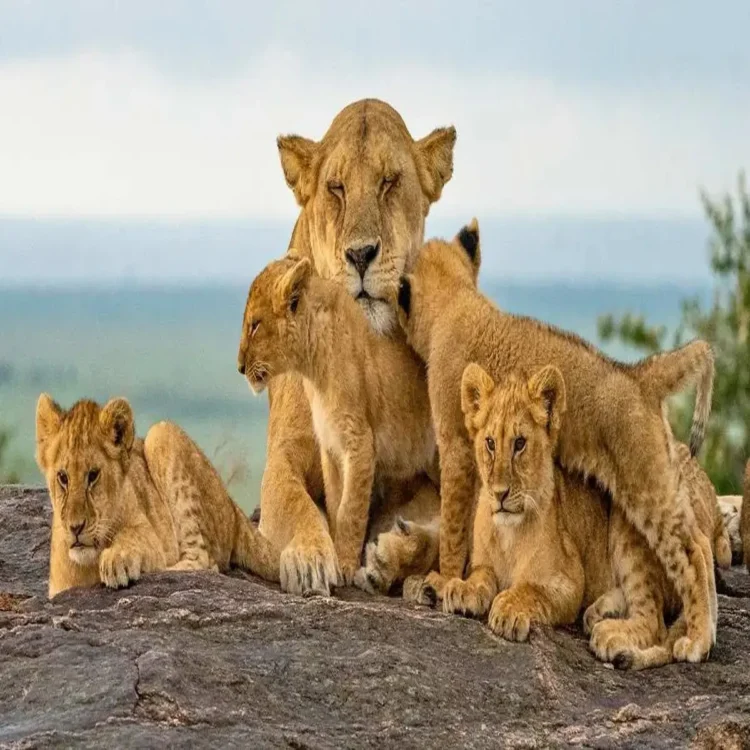
Expected Birth Brings Fresh Optimism
The anticipated birth is being viewed as an important development for the National Zoological Park, which has spent years working to rebuild its lion population. Mahagauri had already helped revive the breeding initiative in 2025 when she delivered cubs after an extended period during which the zoo recorded no successful lion births. Her upcoming delivery is now seen as another encouraging sign for the programme.
A Date Linked to Previous Lion Births
Zoo officials have noted an unusual pattern surrounding successful lion births over the years. According to records, every major lion birth at the facility since 2009 has occurred on the 27th day of a month. Cubs were born on June 27 in both 2009 and 2014, while Mahagauri’s previous litter arrived on April 27, 2025.
Although authorities describe the recurring date as a coincidence, it has become a memorable detail among zoo staff who have closely followed the breeding programme over the years.
Rare Second Pregnancy in Recent Years
Mahagauri’s current pregnancy carries added significance because she could become the first lioness at the Delhi Zoo in more than a decade to conceive again within roughly a year of giving birth. Wildlife experts at the facility consider this a positive indicator of reproductive health and successful management practices.
The zoo’s lion breeding programme remained productive for several years before experiencing a sharp decline after 2009. Over time, successful breeding became increasingly rare, creating concerns about the future sustainability of the lion population housed at the facility.
Efforts to Rebuild the Lion Population
By 2021, Sundaram, a lion born at the zoo in 2009, had become the only remaining lion at the facility. As he advanced in age, zoo authorities initiated plans to introduce new lions and strengthen breeding prospects.
To support this effort, one male lion and two female lions were brought from Junagadh, Gujarat, in 2021. Among the new arrivals was Shailja, a young lioness expected to play a key role in expanding the zoo’s breeding population.
However, those plans faced difficulties after Shailja suffered a severe injury inside her enclosure. The condition later affected her hind limbs, significantly limiting her mobility and preventing her from participating in breeding activities. As a result, much of the programme’s future now depends on Mahagauri and the male lion Maheshwar.
Lessons from the Previous Litter
The pair’s first successful breeding led to the birth of five cubs in April 2025. While the event marked a major achievement, the outcome was mixed. Three cubs did not survive because they were born underdeveloped.
The remaining two cubs, however, were successfully cared for by veterinary teams. Since Mahagauri initially faced challenges nursing them, zoo veterinarians stepped in and raised the cubs using specially formulated artificial cat milk, ensuring their survival.
Veterinary Team Maintaining Close Watch
Officials believe Mahagauri’s current pregnancy may produce healthier outcomes. Having already completed one reproductive cycle, the lioness is expected to be better prepared physically for motherhood.
Veterinarians and animal care specialists are closely monitoring her condition, including her nutrition, medical status and living environment. Special attention is being given to her enclosure as the expected delivery date approaches, with teams working to ensure the safest possible conditions for both the mother and any newborn cubs.