
Weather – Delhi Sees Warm Night as Rain and Storm Relief Expected
Weather – The national capital experienced a mix of intense heat and early signs of weather relief on Tuesday, as authorities issued alerts for rain and thunderstorms across several regions.
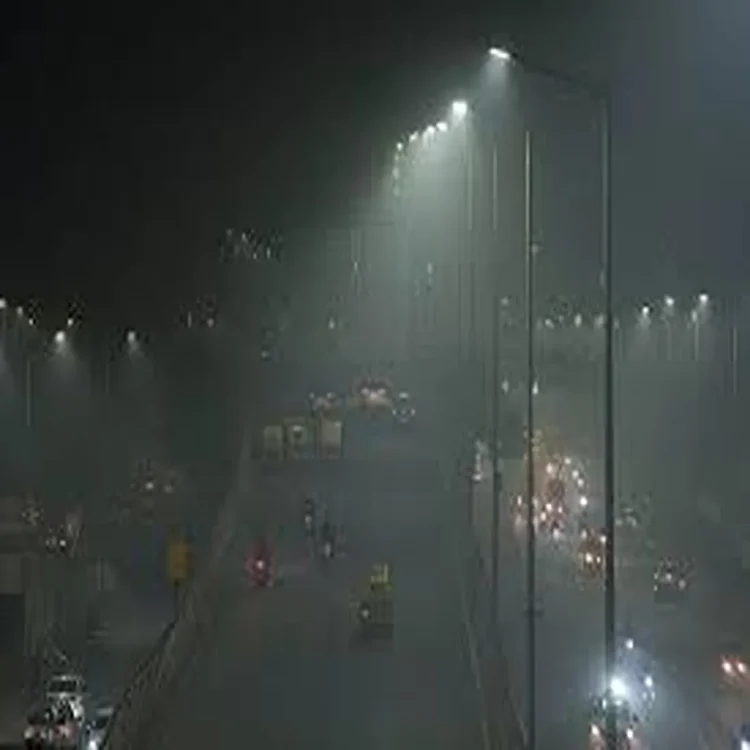
Delhi woke up to a yellow alert on Tuesday morning, with forecasts pointing to scattered rainfall and thunderstorms in parts of the city. At the same time, the capital recorded its first “warm night” of the season, marked by minimum temperatures rising significantly above normal levels. Such conditions are typically noted when night temperatures remain several degrees higher than average, even as daytime heat remains intense.
Temperature Trends Show Slight Improvement
After days of extreme heat, there was a modest drop in daytime temperatures. The maximum temperature settled at 39.2 degrees Celsius on Tuesday, offering slight relief compared to Monday, when the mercury climbed to 42.3 degrees Celsius — one of the highest readings this April.
Weather stations in areas such as Palam and Lodi Road reported brief and light rainfall during the day. Though the precipitation was minimal, it signaled a shift in weather patterns that could bring broader relief in the coming days.
Alerts Issued Across Different Zones
The India Meteorological Department has placed parts of the city under varying alert levels. Southwest Delhi is under an orange alert, indicating the need for preparedness. Authorities have warned of thunderstorms accompanied by strong winds that could reach speeds of up to 60 kmph, along with lightning and short bursts of rain.
Meanwhile, several other regions, including northwest, west, north, south, and southeast Delhi, remain under a yellow alert. This suggests a likelihood of thunderstorms and gusty winds, though conditions may not be as severe as those expected in orange alert zones.
Changing Weather Linked to Regional Systems
Meteorologists attribute the changing weather to a cyclonic circulation forming over central Pakistan and nearby areas spanning Rajasthan, Haryana, and Punjab. This system is expected to move toward Delhi, influencing weather conditions through the end of April.
According to weather experts, parts of Rajasthan and Haryana are likely to receive rainfall first, with the system gradually extending its impact to the capital. As a result, Delhi may experience intermittent rain, thunderstorms, and strong winds over the next few days.
Forecast for Coming Days
On Wednesday, temperatures are expected to remain slightly lower than earlier in the week. The maximum temperature may hover around 38 degrees Celsius, while the minimum could stay close to 27 degrees Celsius. However, the possibility of thunderstorms and gusty winds remains, indicating that weather conditions will stay dynamic.
While the heatwave may temporarily ease, residents are advised to remain cautious due to sudden weather changes, including strong winds and lightning.
Air Quality Remains a Concern
Despite the shift in weather, Delhi’s air quality continues to be a matter of concern. The Air Quality Index (AQI) was recorded at 239, placing it in the “poor” category. This means that air pollution may still pose health risks, particularly for sensitive groups.
Advisory for Vulnerable Populations
Amid rising temperatures and changing weather patterns, the National Human Rights Commission has urged authorities in multiple states, including Delhi, to take precautionary measures. The advisory focuses on protecting vulnerable groups such as elderly individuals, children, infants, and newborns, who are more susceptible to extreme weather conditions.
Officials have noted that increasing heat intensity often affects marginalized communities more severely, making it important for local administrations to ensure preparedness and support systems are in place.
Overall, while the capital may see temporary relief from extreme heat, fluctuating weather and air quality levels continue to pose challenges for residents.