
Wildlife – Endangered Wild Buffaloes Reintroduced in Kanha After Century
Wildlife – The return of the Asiatic wild water buffalo to Madhya Pradesh marks a significant step in the state’s long-term conservation efforts. After nearly a century of disappearance, the species has been reintroduced into the Supkhar forest range of Kanha Tiger Reserve, an area that until recently had also been known for security concerns due to past Naxal movement.
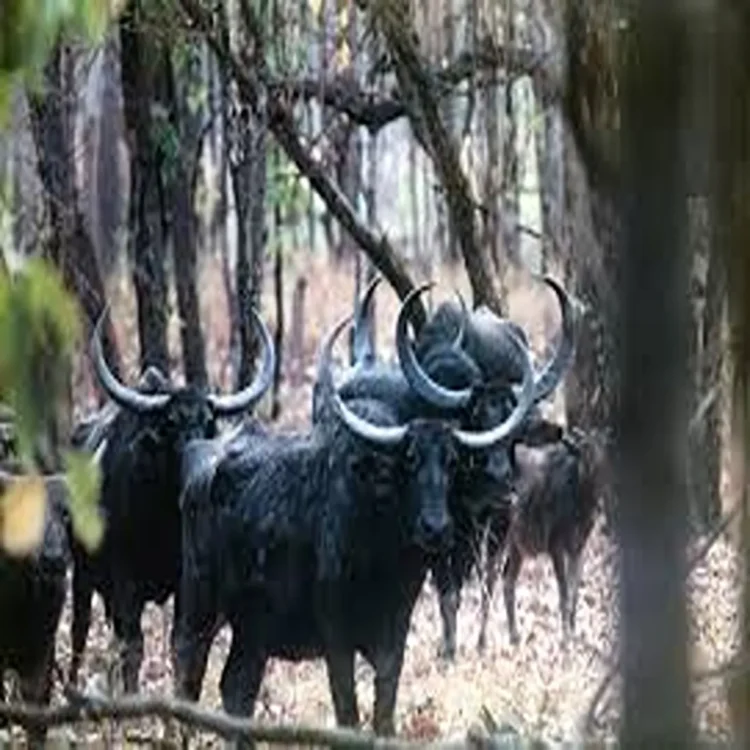
First Batch Released in Supkhar Forests
On Tuesday, Chief Minister Dr. Mohan Yadav formally launched the Wild Buffalo Reintroduction Project by releasing four buffaloes into a specially prepared enclosure, known as a soft release boma. This controlled environment will help the animals gradually adapt to their new habitat before being fully released into the wild.
These four animals are part of the first group brought from Assam’s Kaziranga National Park. They arrived at Kanha Tiger Reserve earlier the same day, completing a carefully planned relocation process aimed at reviving the species in central India.
Carefully Planned Interstate Translocation
The journey of the buffaloes began on April 25, when they were transported over nearly 2,000 kilometers from Kaziranga to Kanha. The operation involved close coordination between forest departments of both states, supported by wildlife experts and veterinarians who ensured the animals remained healthy and stress-free during transit.
Before the transfer, a selection process was carried out between March 19 and April 10, 2026, during which seven sub-adult buffaloes were identified from different regions of Kaziranga. The chosen animals were considered suitable for adaptation and long-term survival in Kanha’s ecosystem.
Ecological Importance of the Initiative
Officials highlighted that reintroducing the species is not only about restoring a lost animal population but also about improving the overall health of the forest ecosystem. Wild buffaloes play a crucial role in maintaining grasslands, which in turn support a variety of other species.
The presence of these large herbivores helps regulate vegetation growth, promotes biodiversity, and strengthens ecological balance. According to state authorities, the project is expected to contribute significantly to habitat restoration efforts within Kanha Tiger Reserve.
A New Phase in Conservation Strategy
Speaking at the event, the Chief Minister described the initiative as an important milestone in Madhya Pradesh’s conservation journey. He emphasized that such projects demonstrate how coordinated efforts between states can lead to meaningful environmental outcomes.
The Supkhar region, where the buffaloes have been released, has undergone significant transformation. Once considered sensitive due to its use as a shelter route by armed groups, the area is now being repositioned as a secure and thriving wildlife habitat.
Future Plans and Additional Transfers
The current release is only the beginning of a larger plan. A second group of four buffaloes—comprising three females and one male—is expected to arrive from Assam by the end of April or early May. This phased approach is designed to establish a stable and genetically diverse population in the reserve.
Wildlife experts believe that if the project progresses as planned, it could serve as a model for similar reintroduction efforts across India. Continuous monitoring, habitat management, and community involvement will be key to its long-term success.
Strengthening India’s Wildlife Legacy
The reintroduction of the Asiatic wild water buffalo underscores the growing focus on restoring species that have vanished from certain regions. It reflects a broader commitment to preserving India’s rich biodiversity while addressing ecological challenges through science-based conservation.
As the animals begin to settle into their new environment, forest officials remain cautiously optimistic. Their successful adaptation could mark the beginning of a sustainable population that once again becomes an integral part of Madhya Pradesh’s natural heritage.