
WaterQuality – Delhi Launches Real-Time Monitoring System for Safer Drinking Water
WaterQuality – The Delhi Jal Board (DJB) has begun testing a new technology-driven initiative aimed at strengthening the monitoring of drinking water quality across the capital. As part of a pilot project, an online water analyser has been installed in Gulmohar Park to provide continuous, real-time tracking of key water quality indicators.
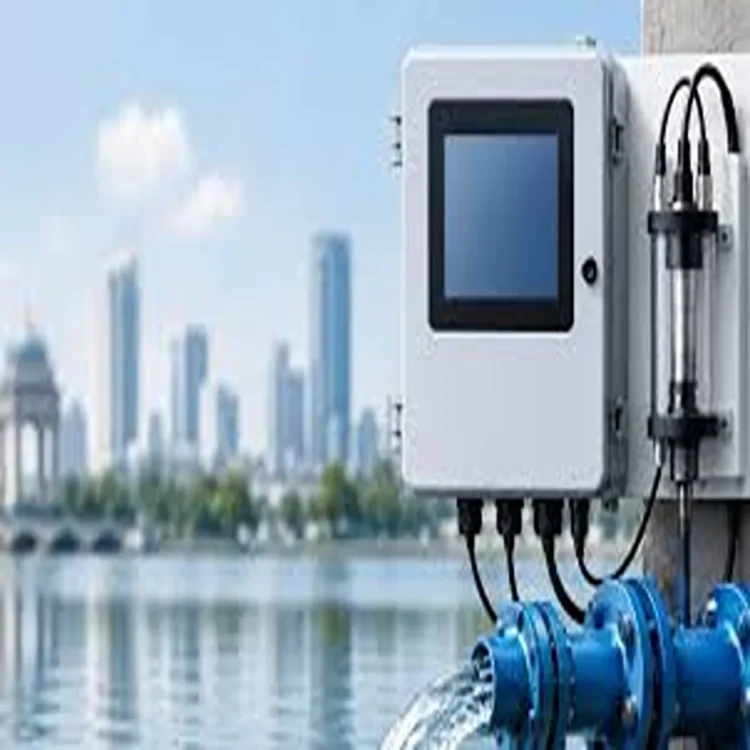
Pilot Initiative Introduced in Gulmohar Park
The newly deployed system is designed to monitor crucial parameters that determine the safety and quality of supplied water. Officials said the analyser will continuously assess measurements such as pH levels, chlorine content, and total dissolved solids (TDS), helping authorities identify any irregularities at an early stage.
The project comes at a time when concerns over water contamination have been raised by residents in certain areas. By enabling constant surveillance of water quality, the technology is expected to improve response times and reduce the risk of contaminated water reaching households.
Technology Expected to Improve Detection
According to Malviya Nagar MLA Satish Upadhyay, the pilot installation is intended to evaluate the effectiveness of the system before considering a broader rollout across Delhi. If the results prove successful, similar analysers may be installed in multiple locations throughout the city.
He explained that the equipment can continuously monitor important water quality indicators, allowing officials to track changes as they occur rather than relying solely on periodic testing methods. This real-time capability could significantly enhance the city’s ability to maintain safe drinking water standards.
Response to Recent Contamination Concerns
Upadhyay noted that complaints related to water contamination had emerged in the Gulmohar Park area around ten days ago. Those issues were subsequently addressed by the Delhi Jal Board. However, the incident highlighted the need for more advanced monitoring systems capable of identifying potential problems quickly.
Since most water pipelines are located underground, detecting contamination sources can often be a complex process. The introduction of online analysers is expected to simplify this task by providing continuous data on water conditions and helping officials pinpoint the origin of any abnormalities.
Potential Expansion Across the Capital
Authorities believe that adopting such monitoring technology could play an important role in improving the reliability of Delhi’s water supply network. By generating real-time information, the system can support faster corrective measures and enhance overall operational efficiency.
If the pilot project delivers positive outcomes, the Delhi Jal Board may consider expanding the technology to other parts of the national capital. The move would represent a significant step toward modernising water quality management and strengthening public confidence in the city’s drinking water infrastructure.