
WaterCrisis – Tribal Hamlet in Koderma Finally Gets Drinking Water Relief
WaterCrisis – For years, families living in the remote Kali Pahari settlement of Jharkhand’s Koderma district struggled without basic facilities such as safe drinking water, electricity, and proper road connectivity. The issue gained statewide attention after disturbing visuals from the village spread widely on social media, showing residents collecting water from muddy pits also frequented by wild animals.
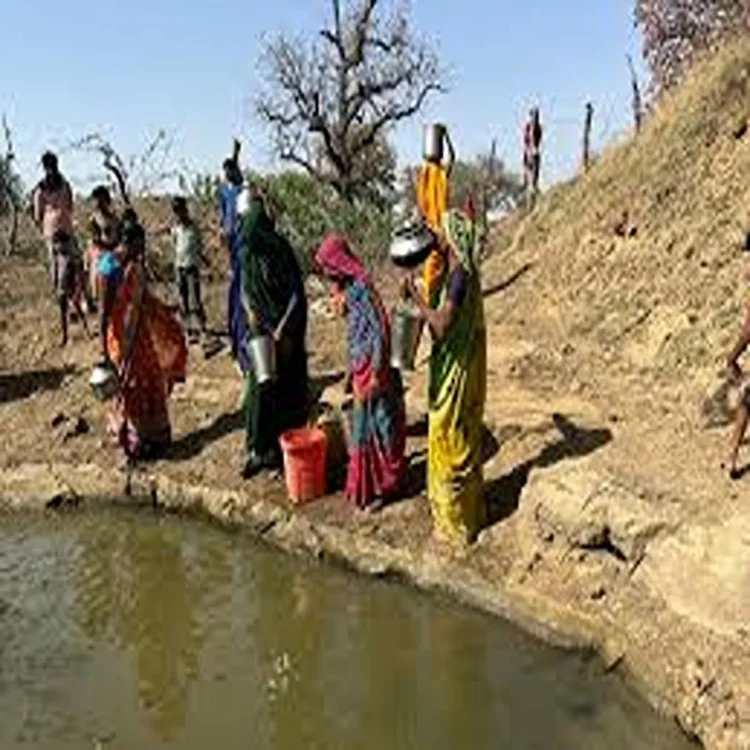
Viral Images Draw Government Attention
The photographs and videos triggered strong public reactions online, with many expressing concern over the living conditions faced by tribal families in the isolated hamlet. One widely circulated clip showed a pig drinking from the same shallow water source used by villagers for daily consumption, highlighting the seriousness of the water crisis.
After the matter surfaced publicly, Jharkhand Chief Minister Hemant Soren directed the Koderma district administration to immediately investigate the situation and provide urgent assistance to affected residents. The response from local authorities came swiftly, with officials confirming that a tube well had been installed in the village within hours of the directive.
Years of Neglect in Remote Villages
Kali Pahari and nearby Chataniya Dah, located under Dagarnawa Panchayat in the Markaccho block area, are home to more than 100 residents from nearly ten tribal families. Villagers said they had spent several years without access to clean drinking water despite repeated hardships.
With no government water supply available, residents relied on manually dug shallow pits, locally known as “chuan,” to collect water. These pits often contained visibly polluted water mixed with mud and waste from surrounding areas. However, villagers had no other dependable option and continued using the contaminated water for drinking, cooking, and household work.
Women Bear the Burden of Water Collection
The daily responsibility of arranging water largely fell on women in the village. Residents explained that women regularly walked close to a kilometer through rocky hills and forest routes to reach Soti Nala, the only available water source nearby.
After reaching the stream, they first cleaned utensils using muddy water before digging small holes beside the water channel to collect relatively clearer water. Once the containers were filled, the women carried heavy pots back to their homes through uneven terrain.
Locals said the task consumed several hours every day, especially during summer when water scarcity became more severe. Families often spent most of their day searching for water instead of focusing on livelihood activities or education.
Monsoon Conditions Increase Hardships
Villagers also described worsening conditions during the rainy season. Rising water levels and overflowing drains made it difficult to dig shallow pits near the stream. During heavy rainfall, muddy water from random puddles and drainage channels became the only available source for many families.
Residents stated that wild animals from nearby forest areas also depended on the same water pits. The shared use of contaminated water raised concerns over hygiene and health risks, particularly for children and elderly villagers.
Administration Responds After Chief Minister’s Order
Following public outrage, the Chief Minister posted on social media that the situation was unacceptable and instructed the Koderma Deputy Commissioner to submit a report after ensuring immediate support for affected villagers.
Soon after the directive, district authorities confirmed that work on a new tube well in Kali Pahari had been completed. Officials informed the state government that arrangements for clean drinking water had been made for residents of the tribal settlement.
The development has brought temporary relief to villagers who had long remained outside the reach of basic public infrastructure. However, residents and local observers believe broader improvements in road connectivity, electricity supply, healthcare, and sanitation are still necessary for the long-term welfare of the region.