
WaterCrisis – Mettur Reservoir Decline Threatens Kuruvai Farming Across Delta
WaterCrisis – Farmersin Tamil Nadu’s Cauvery delta are facing growing uncertainty over the upcoming kuruvai cultivation season as water levels in the Mettur reservoir continue to decline sharply, raising doubts over the customary release of irrigation water scheduled for June 12.
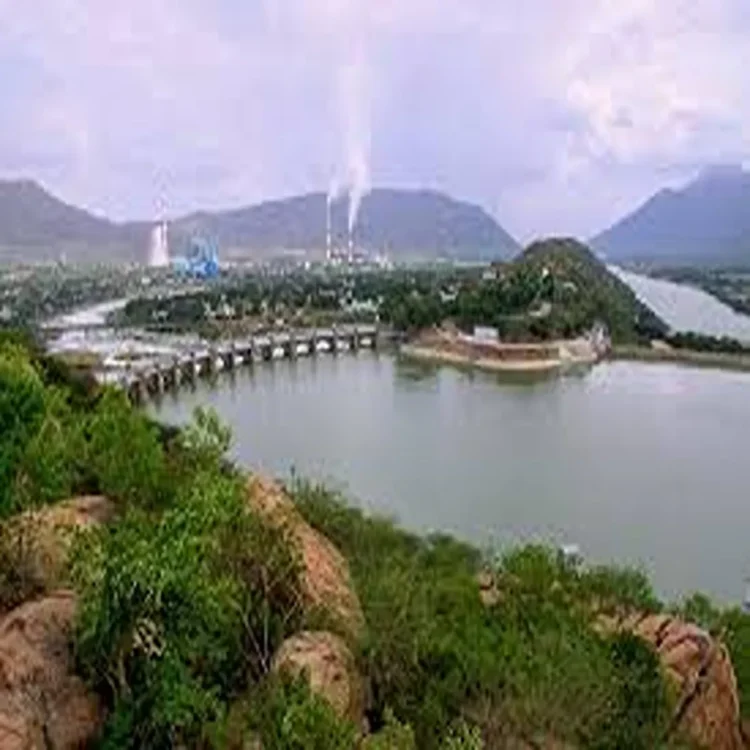
The reservoir level at the Mettur dam was recorded at 79 feet on Sunday, a steep drop from the 108 feet reported during the same period last year. Storage capacity has also fallen significantly, with current reserves standing at 41.035 thousand million cubic feet (TMC), compared to 76.031 TMC in the corresponding period of 2025. The sharp reduction has increased anxiety among farmers who depend heavily on Cauvery water for seasonal cultivation.
Concerns Over Timely Water Release
Traditionally, water for kuruvai farming is released from the Mettur dam once the storage level crosses the 100-foot mark. With reservoir levels remaining well below that threshold, agricultural communities across the delta region fear that the annual opening may be delayed or even skipped this season.
The uncertainty comes after several years of relatively stable agricultural output in the region. From 2020 to 2025, the scheduled release of water from Mettur largely took place on time, except during one season. Those timely releases supported strong harvests and allowed farmers to expand kuruvai cultivation beyond official targets in multiple years. Samba cultivation also benefited during the same period, helping sustain agricultural productivity across the delta districts.
Cultivation Targets Reduced Significantly
In response to the current water situation, authorities have revised cultivation targets downward for the ongoing season. The kuruvai cultivation goal has been reduced to 3.44 lakh acres, considerably lower than the 6.31 lakh acres achieved last year.
District-level targets have also been fixed with reduced expectations. Thanjavur has been assigned a target of 1.57 lakh acres, while Tiruvarur has been allocated 97,000 acres. Mayiladuthurai is expected to cover 87,000 acres and Nagapattinam 59,000 acres during the season.
Agricultural operations across the delta have moved slowly so far, with reports indicating that only around 35 percent of the planned cultivation area has been covered until now.
Farmers Depend on Groundwater Sources
Many farmers who have already started field preparation and sowing are relying heavily on borewells and groundwater resources to sustain early-stage cultivation. However, experts warn that depending solely on underground water may not remain viable for long if rainfall remains insufficient.
There is increasing hope among farming communities that the southwest monsoon will bring favourable rainfall in the coming weeks. Adequate monsoon showers could provide temporary relief and help support irrigation requirements if reservoir inflows improve.
Pressure Mounts on Irrigation Planning
Agricultural specialists believe storage levels at Mettur could decline further by early June because water allocations for drinking purposes are expected to continue. This situation may place additional pressure on irrigation management and crop planning in the delta districts.
At the same time, demands are growing for the timely release of Tamil Nadu’s allocated share of Cauvery river water under existing inter-state water-sharing arrangements. Farmer groups and agricultural organisations have urged authorities to ensure that agreed allocations are implemented without delay to protect the cultivation season.
Shift Towards Single Crop Strategy Possible
With uncertainty continuing over irrigation availability, experts believe several farmers may opt for a single samba crop instead of pursuing both kuruvai and samba cultivation this year. Such a shift is being viewed as a precautionary approach aimed at reducing financial risks and preventing heavy losses if water shortages worsen during the season.
The coming weeks are expected to play a crucial role in determining the future of cultivation across Tamil Nadu’s delta region, as farmers closely monitor rainfall patterns, reservoir inflows and government decisions related to water release.