
WaterConservation – Mumbai Tightens Water Restrictions Amid Delayed Monsoon Concerns
WaterConservation – Mumbai has introduced a series of stringent water-saving measures as authorities attempt to manage dwindling reserves caused by the delayed arrival of the monsoon. The Brihanmumbai Municipal Corporation (BMC) announced fresh restrictions on Tuesday after water levels in the reservoirs supplying drinking water to the city dropped to critical levels.
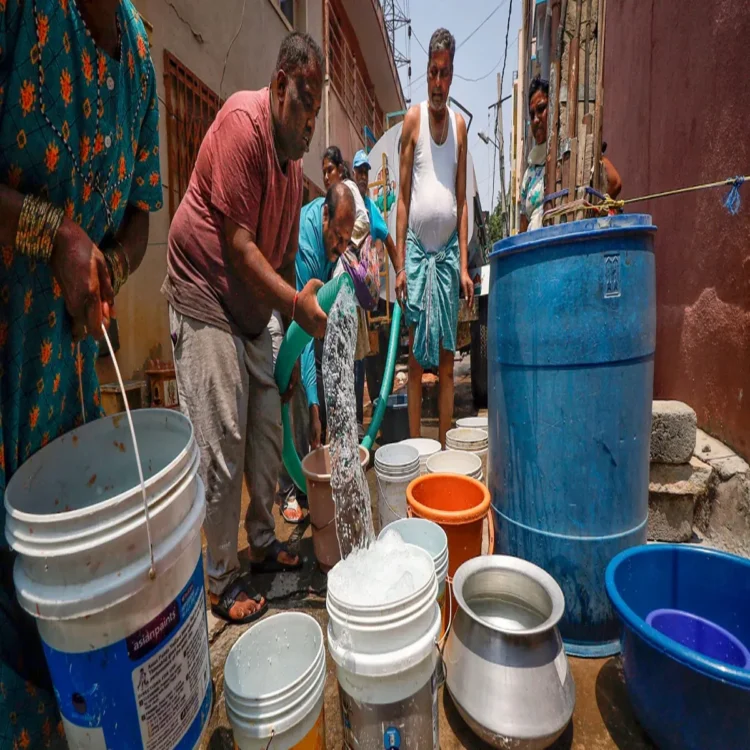
New Restrictions Announced Across Multiple Sectors
Under the latest directives, water supply to construction projects and swimming pools has been halted. Civic officials have also decided not to issue fresh water connections to new construction developments until further notice. The move is aimed at preserving available drinking water resources until rainfall improves storage levels in the city’s reservoir system.
In addition, a 20 percent reduction in water allocation has been imposed on industrial units, commercial establishments, and sports clubs. The municipal administration has warned that strict action will be taken against individuals or organizations found misusing water or violating conservation guidelines.
Reservoir Levels Continue to Raise Concern
According to data released by the civic body, the combined water stock in Mumbai’s seven major lakes has fallen significantly. As of June 16, the reservoirs held approximately 1.49 lakh million litres of water, representing only 10.35 percent of their total capacity.
Mumbai’s daily water requirement is estimated at around 4,664 million litres. At present, the city is receiving roughly 4,100 million litres through the municipal supply network. A 10 percent water cut has already been in place since May 15, placing additional pressure on authorities to ensure adequate availability until the monsoon gains momentum.
High-Level Review Leads to Additional Measures
The latest restrictions came after a review meeting held at the BMC headquarters. Officials assessed current water reserves and discussed strategies to prevent a deeper shortage if rainfall remains below expectations in the coming weeks.
Meteorological experts have indicated that monsoon progress could be slower this year due to climatic factors, including the influence of El Niño conditions and the Indian Ocean Dipole. In response, government agencies and local authorities have been directed to implement precautionary conservation measures.
Water Treatment Centres Face Temporary Suspension
Authorities have also announced the temporary suspension of water supply from the Barave, Mohili, and Netivali water treatment centres operated by the Kalyan-Dombivli Municipal Corporation in designated areas.
As per the announced schedule, affected localities will experience a complete shutdown of water supply for 24 hours, beginning at midnight on the specified day and continuing until midnight the following day. Residents have been urged to store only essential quantities of water and cooperate with municipal efforts aimed at managing available resources responsibly.
Bottling Units and Public Facilities Asked to Conserve Water
The restrictions extend to packaged drinking water and aerated beverage manufacturing facilities. Water supply to such units will be limited strictly to meet the drinking needs of employees working at these plants.
Organizations responsible for operating public toilets and washrooms have also been advised to reduce dependence on treated drinking water. Authorities have encouraged the use of tanker water, borewells, tube wells, and other alternative sources wherever possible.
Focus on Reuse and Alternative Water Sources
The civic administration has further recommended that non-potable activities such as vehicle washing, gardening, road cleaning, and maintenance work be carried out using groundwater or other non-drinking water sources.
Major institutions and public sector establishments, including railway authorities, petroleum companies, defence installations, industrial development agencies, and port-related organizations, have been instructed to increase the use of treated wastewater from sewage treatment plants. Officials believe wider reuse of recycled water can help reduce pressure on the city’s limited drinking water reserves during the ongoing period of uncertainty.