
Water Infrastructure – Delhi Approves Major Expansion of Water ATMs and Sewage Projects
Water Infrastructure – The Delhi government has cleared a comprehensive package of projects aimed at improving access to drinking water, expanding sewage treatment capacity, and strengthening water storage infrastructure across the national capital.
The Delhi government has approved the installation of 250 new water ATMs across the city with an estimated investment of ₹58 crore. Announcing the decision on Wednesday, Water Minister Parvesh Sahib Singh said the proposal received approval during the Delhi Jal Board meeting, and the first phase of implementation will begin in government schools. The initiative is intended to provide residents and students with easy access to clean and safe drinking water.
Water ATMs to Expand Public Access
The plan builds upon an earlier water ATM initiative introduced by the New Delhi Municipal Council (NDMC) during 2018-19 under the Smart City Mission. That programme focused on supplying purified drinking water at public locations. With the latest approval, the Delhi government aims to significantly widen the network and improve water accessibility in educational institutions before extending the project to other locations.
Officials believe the expansion will support the city’s efforts to strengthen public infrastructure while ensuring reliable drinking water facilities in high-footfall areas.
Major Push for Sewage Treatment Capacity
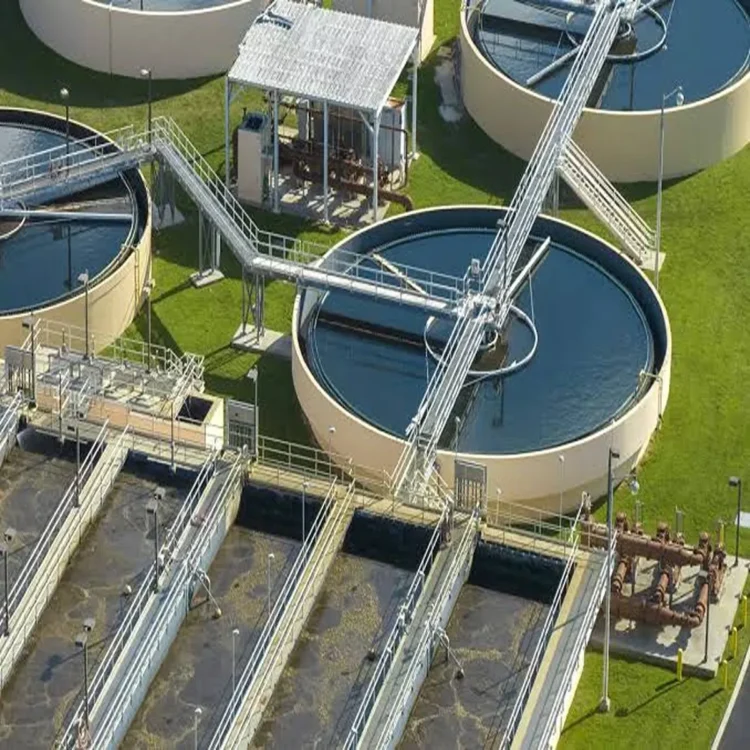
In another key decision, the Delhi Jal Board has approved 15 decentralised sewage treatment plants (DSTPs) with a total estimated investment of around ₹2,000 crore. According to the water minister, these new facilities are expected to raise Delhi’s overall sewage treatment capacity by nearly 103.5 million gallons per day (MGD).
The decentralised model is expected to improve wastewater management by treating sewage closer to its source, reducing pressure on existing treatment systems and supporting better environmental outcomes across the city.
Yamuna Pollution Control Measures Approved
The government has also taken another step towards reducing pollution in the Yamuna River by approving in-situ wastewater treatment projects for the Najafgarh and Delhi Gate drains. The Najafgarh drain is considered one of the largest contributors to pollution entering the Yamuna.
The approved project, valued at approximately ₹65 crore, will focus on treating wastewater directly within these drains before it reaches the river. Authorities said the work will be completed over a period of three years, and contractor payments will be linked to performance benchmarks to ensure effective execution and long-term results.
Water Storage Capacity to Be Increased
The latest approvals also address Delhi’s recent water supply challenges caused by limited availability of raw water. To improve preparedness during periods of reduced supply, the government has sanctioned the revival and restoration of the Wazirabad Pondage Area.
The project is designed to increase the storage capacity of the pondage from the current one-day holding capability to approximately two or three days. Officials expect the enhanced storage to improve operational efficiency and provide greater flexibility in managing water distribution during emergencies or supply disruptions.
IIT Roorkee Study Cleared for New Water Pipeline
The Delhi Jal Board has further approved a pre-feasibility study to be conducted by IIT Roorkee for a proposed main water transmission line connecting the Munak Regulator with Haiderpur.
The proposed pipeline is expected to carry around 1,050 cusecs of water and has an estimated project cost of nearly ₹7,240 crore. The study will examine the technical and financial feasibility of the project before any final decision is taken on its implementation.
Together, these approvals reflect a broader effort by the Delhi government to strengthen drinking water infrastructure, improve wastewater treatment, enhance river conservation measures, and build greater resilience in the capital’s water management system.