
Wages – Faisalabad Workers Protest Over Delayed Salaries and Benefits
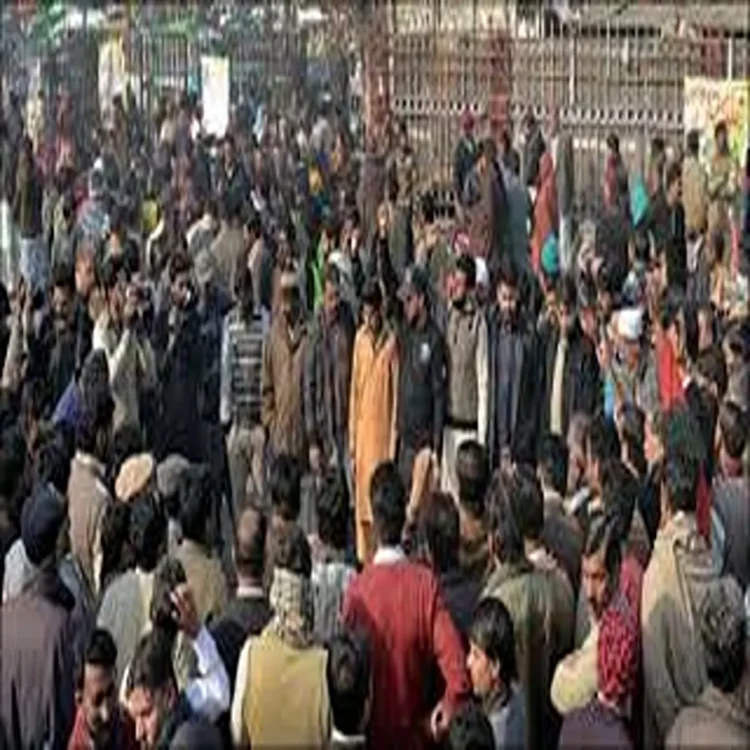
Wages – Hundreds of sanitation workers along with rickshaw drivers gathered in Faisalabad to protest against unpaid wages that have reportedly been pending for nearly two months. The demonstration, highlighted in , drew attention to growing concerns over an outsourcing system associated with the Suthra Punjab Authority.
Protest March Reaches Administrative Offices
The protest began at District Council Chowk and moved toward the Deputy Commissioner’s Office, where participants raised slogans and demanded immediate action. The march was led by Baba Latif Ansari, a labour rights advocate affiliated with the Pakistan Labour National Movement and the Huqoq Khalq Party in Punjab.
Addressing the crowd, Ansari criticized both government officials and private contractors, alleging serious lapses in fulfilling contractual obligations. He stated that workers had been left without pay for weeks, placing financial strain on families already struggling with rising living costs.
Allegations of Incomplete Worker Registration
A key issue raised during the protest involved the registration of workers under social protection schemes. According to Ansari, agreements required the outsourcing company working with the Faisalabad Waste Management Company to ensure that all employees were registered with Social Security and the Employees’ Old-Age Benefits Institution.
However, he claimed that only a portion of the workforce had been properly registered. More concerning, he alleged that Social Security contributions had not been deposited for the past six months, resulting in a substantial financial gap estimated at millions of rupees.
Concerns Over Missing Benefits and Payments
Ansari further alleged that contributions to the Employees’ Old-Age Benefits Institution had been entirely neglected. This, he said, has affected nearly 1,200 sanitation workers, depriving them of long-term benefits such as pensions and access to healthcare services.
He emphasized that the protest was not only about delayed salaries but also about securing fundamental labour rights. Workers demanded immediate payment of dues along with proper enrollment in welfare schemes that are essential for their financial security.
Demonstration Disrupts Traffic in the Area
The protest caused significant disruption near the Deputy Commissioner’s Office. Rickshaw drivers parked their vehicles along both sides of the road, leading to traffic congestion and long queues.
In a symbolic act meant to highlight their frustration, some protesters dumped piles of garbage at the main entrance of the office. This gesture, they said, reflected what they viewed as poor management and lack of accountability within the system.
Officials Respond After Negotiations
Following discussions between protest leaders and local authorities, including representatives from the Suthra Punjab Authority, officials issued a show-cause notice to the outsourcing company involved.
Authorities also directed that pending payments to rickshaw drivers be released without further delay. In addition, steps were initiated to fast-track the disbursement of salaries for sanitation workers.
Responsibility Dispute Continues
Despite these assurances, questions remain over accountability. Officials from the Suthra Punjab Authority maintained that the Faisalabad Waste Management Company does not hold direct responsibility, stating that the workers were hired through third-party contractors.
This position has added another layer of complexity to the issue, as workers continue to seek clarity on who is ultimately responsible for ensuring timely payments and benefits.
Ongoing Concerns Among Workers
While the immediate response from authorities has provided some relief, workers remain cautious. Many fear that without structural changes, similar delays could occur again in the future.
Labour representatives have called for stricter oversight of outsourcing arrangements and stronger enforcement of worker protection laws. They argue that without accountability, vulnerable workers will continue to face uncertainty.