
VB-GRAM G – Karnataka Raises Concern Over New Rural Employment Funding Model
VB-GRAM G – Karnataka Minister Eshwar Khandre has said the state is ready to roll out the Centre’s Viksit Bharat Guarantee for Rozgar and Aajeevika Mission (Gramin) Act, or VB-GRAM G, but warned that the revised cost-sharing arrangement could substantially increase the financial pressure on state governments.
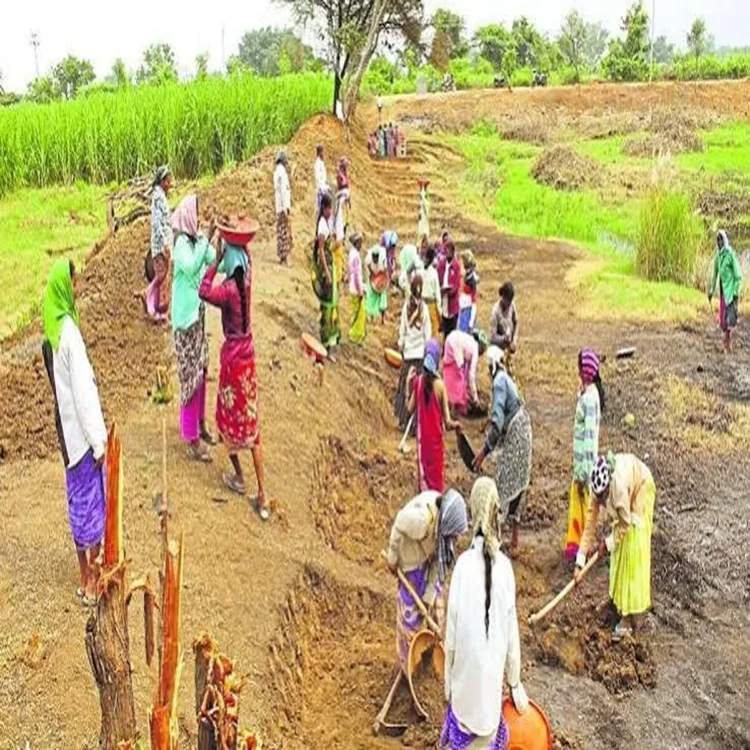
The new rural employment programme came into effect on July 1 and replaces the Mahatma Gandhi National Rural Employment Guarantee Act, commonly known as MGNREGA. Khandre said Karnataka had completed the required preparations for implementation, even as it continued to assess the impact of the new funding structure.
Funding Formula Draws Karnataka’s Attention
Speaking to ANI, Khandre said the earlier MGNREGA system placed a larger share of wage expenditure on the Union government. Under that arrangement, the Centre contributed 90 per cent of wage costs, while states were responsible for the remaining 10 per cent.
He said the funding pattern under VB-GRAM G has been changed to a 60:40 ratio, requiring states to bear a much higher portion of the expenditure. According to the minister, the revised formula could place a considerable burden on state finances, particularly for states with large rural workforces and significant demand for employment support.
Khandre said the issue had been discussed during a national-level meeting chaired by Union Agriculture and Rural Development Minister Shivraj Singh Chouhan. He added that Karnataka officials had taken part in detailed discussions related to the operational framework of the new programme.
State Says Rollout Preparations Are Complete
The Karnataka minister said the government was prepared to implement VB-GRAM G across rural areas of the state. He described the programme as the new version of the employment guarantee initiative that had operated for nearly two decades under MGNREGA.
Khandre said the original scheme was introduced during the United Progressive Alliance government led by Sonia Gandhi, with the aim of offering local employment opportunities to people in rural regions. He said the programme was designed to reduce distress migration by allowing unemployed workers to find work closer to their homes.
According to him, MGNREGA had played an important role in supporting rural households over the years. He said the Karnataka government would ensure that the transition to VB-GRAM G does not disrupt employment access for eligible workers.
Minister Rejects Claims on Voter List Revision
Khandre also responded to allegations by Union Minister of State Shobha Karandlaje regarding the Karnataka State Election Commission’s work on electoral rolls. Karandlaje had alleged that the state election body was carrying out a “parallel” Special Intensive Revision process to favour Congress leader Rahul Gandhi.
Rejecting the charge, Khandre said the state government’s focus was on ensuring that every eligible citizen remains included in the voter list. He said no voter should lose the right to participate in elections because of administrative procedures.
He also accused the BJP of using constitutional and statutory institutions for political purposes. Khandre referred to agencies such as the Election Commission, the Central Bureau of Investigation and the Income Tax Department while responding to the criticism.
Questions Raised Over Fresh Electoral Roll Process
The minister questioned why a completely new voter list was being prepared when electoral rolls are regularly updated through established procedures. He said voters were now being asked to enrol again and sign fresh forms, a process he described as unusual.
Khandre said the government supports voter registration and electoral transparency but believes that the process should not create obstacles for citizens who are already registered. He maintained that protecting voting rights must remain the central objective of any revision exercise.