
UrbanDevelopment – BRICS Nations Endorse Joint Vision for Sustainable and Inclusive Cities
UrbanDevelopment –Member countries participating in the 13th BRICS Urbanisation Forum have approved a joint Urban Ministerial Declaration, marking a significant step toward deeper cooperation on urban development. The declaration highlights a shared commitment to creating cities that are inclusive, environmentally sustainable, resilient to future challenges, and focused on improving the lives of residents.
Focus on Better Living Standards in Growing Cities
The declaration emerged as the principal outcome of the two-day forum, where representatives discussed the growing pressures faced by rapidly expanding urban centres. Delegates agreed that future city planning should prioritize quality of life, ensuring that all citizens, including vulnerable and underserved groups, have fair access to housing, transportation, public services, and economic opportunities.
Hosted by India under its BRICS chairship, the event concluded on Friday and brought together delegations from Brazil, China, Egypt, Ethiopia, Indonesia, Iran, Russia, South Africa, the United Arab Emirates, and India. Participants exchanged experiences and explored practical approaches to addressing common urban challenges.
Member Nations Share Urban Development Strategies
Officials at the forum presented a broad range of national programmes and policy initiatives designed to improve urban living conditions. These efforts included affordable housing projects, redevelopment of informal settlements, expansion of public transport systems, climate adaptation measures, sustainable infrastructure development, municipal governance reforms, and improved waste management practices.
Delegations also highlighted the growing role of technology in city administration, emphasizing digital tools that can improve service delivery, transparency, and urban management efficiency.
India Proposes Knowledge-Sharing Network
One of the notable proposals introduced during the forum was the creation of the BRICS Urban Research and Knowledge Network. The proposal received positive support from participating nations and is expected to serve as a collaborative platform for sharing research, practical experiences, and innovative urban solutions.
The proposed network will operate as an institutionally connected mechanism designed to encourage applied research and peer learning among member countries. Through regular exchanges of knowledge and successful case studies, it aims to strengthen the link between policy planning and real-world implementation.
Officials explained that the network will function through a flexible and cost-effective virtual model. Each year, coordination responsibilities will be handled by the lead institution of the country holding the BRICS chairship before being transferred to the next chair nation.
Climate Resilience Emerges as a Central Theme
Climate resilience featured prominently in discussions throughout the forum. Delegates acknowledged that cities across the world are increasingly vulnerable to extreme weather events and environmental pressures, including heatwaves, flooding, water shortages, air pollution, and coastal risks.
Participants stressed the importance of integrating climate considerations into urban planning processes. This includes designing resilient infrastructure, promoting sustainable housing, improving mobility systems, and ensuring that essential public services can withstand climate-related disruptions.
Importance of Local Governance and Innovation
The declaration also underscored the growing significance of empowered local governments in shaping future cities. Representatives agreed that effective municipal institutions, combined with digital innovation and citizen-focused governance, will play a critical role in addressing urban challenges.
By strengthening local decision-making and encouraging public participation, cities can become more responsive to residents’ needs while supporting long-term sustainable growth.
Showcasing Successful Urban Experiences
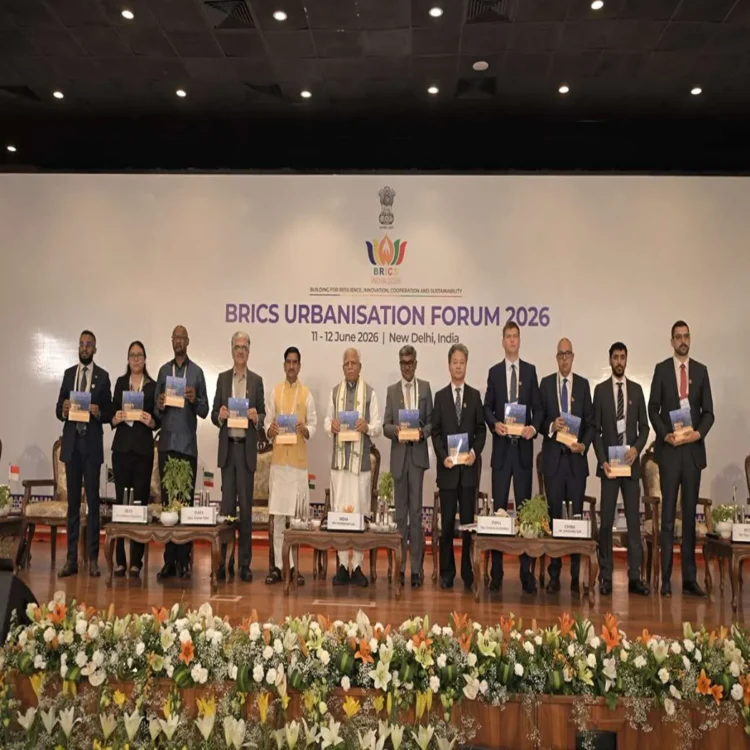
During the forum, member countries presented examples of successful urban initiatives through a publication titled “Cities for People: Urban Stories from BRICS Nations.” The collection highlights innovative projects and best practices implemented across various cities, offering practical lessons that can be adapted by other nations.
According to officials, the outcomes of the forum provide a common framework for future cooperation among BRICS countries. The discussions and commitments made during the event are expected to support the development of cities that are inclusive, resilient, sustainable, and effectively governed in the years ahead.