
UNSC Reform – India Calls for Permanent Membership Expansion at UN
UNSC Reform – India has strongly reiterated that any reform of the United Nations Security Council (UNSC) would fall short of its purpose if it focuses only on increasing non-permanent seats while leaving the existing permanent membership structure unchanged.
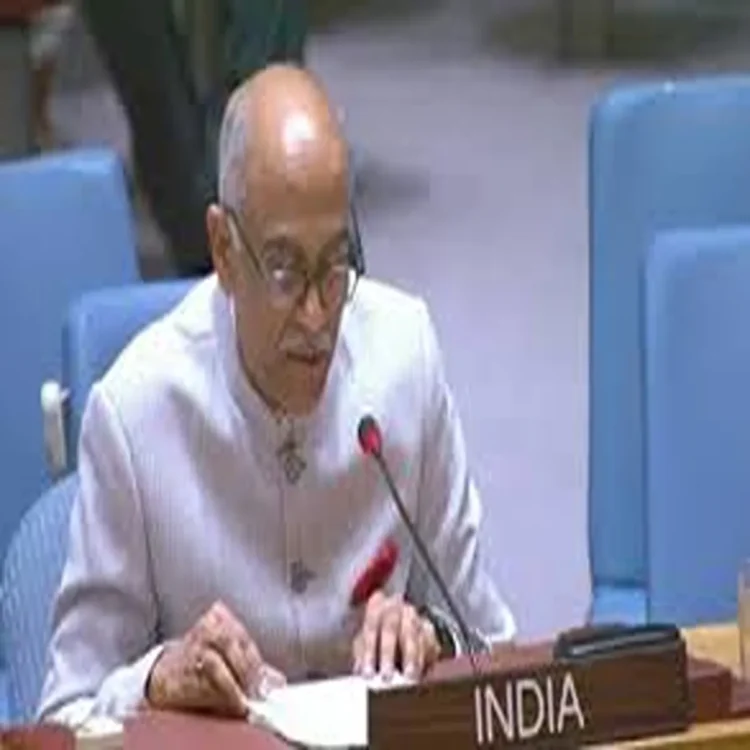
India Pushes for Comprehensive Security Council Changes
Speaking during the Inter-Governmental Negotiations (IGN) on Security Council reform at the United Nations, India’s Permanent Representative, Ambassador Harish Parvathaneni, emphasized that meaningful reform must include expansion of the permanent membership category. According to him, merely adding more non-permanent members would not alter the concentration of decision-making authority currently held by the five permanent members.
He stated that countries and negotiating groups have spent decades advocating substantial changes and now expect reforms that genuinely address long-standing imbalances within the Council.
Focus on Decision-Making Representation
India maintained that its support for expanding permanent membership is aimed at creating a more balanced and representative Security Council. The country believes that the current structure does not adequately reflect present-day geopolitical realities and continues to place excessive influence in the hands of the five veto-holding nations — China, France, Russia, the United Kingdom and the United States.
For several years, India has been among the most vocal supporters of comprehensive UNSC reform. New Delhi argues that the Council’s existing framework, established in 1945, no longer aligns with the global political landscape of the 21st century. India has also consistently asserted that it deserves a permanent seat in the Council due to its growing global role and contributions to international affairs.
Concerns Over the Elements Paper
During the discussions, India raised objections to the recently presented “Elements Paper,” a document intended to summarize areas of agreement and disagreement among UN member states regarding Security Council reform.
According to Ambassador Parvathaneni, the paper does not accurately reflect the prevailing views of a majority of member nations. He pointed out that widespread support for expanding permanent membership has been understated in the document, despite endorsements from various country groups and coalitions.
India argued that positions expressed through organizations such as the G4, L69 and CARICOM demonstrate considerable backing for permanent category expansion, yet this support has not been fully represented in the paper’s assessment.
Questions Raised Over Regional Seat Proposal
The Indian delegation also expressed reservations regarding a proposal referenced in the document that suggests expanding representation through fixed regional seats. India noted that such a model would not constitute a true expansion of permanent membership.
Officials argued that if countries occupying those seats continue to act primarily in their national capacities rather than representing entire regions, the objective of regional representation would remain unfulfilled. India further warned that such arrangements could weaken the interests of Small Island Developing States (SIDS), a group whose concerns New Delhi has consistently supported in international forums.
The delegation also criticized comparisons between long-term regional seats and permanent membership, stating that permanence and veto-related influence should not be treated as interchangeable concepts.
Call for Text-Based Negotiations
India stressed the importance of shifting the reform process toward formal text-based negotiations. Ambassador Parvathaneni argued that most UN negotiations proceed on the basis of written proposals, allowing member states to discuss and refine specific language.
He urged the co-chairs of the IGN process to prepare a formal negotiating text accompanied by clear milestones and timelines. Such a framework, India believes, would make discussions more productive and increase the chances of reaching concrete outcomes.
Warning Against Delays in Reform Process
Expressing frustration over the slow pace of reform efforts, India cautioned against allowing procedural approaches to become obstacles to progress. The delegation said that prolonged reliance on the principle that nothing can be finalized until every issue is settled has often been used to preserve the existing structure of the Security Council.
India maintained that the international community has waited long enough for meaningful change and that future discussions should focus on achieving a more representative, balanced and effective Security Council capable of addressing contemporary global challenges.