
Transport – Delhi Pink Saheli Smart Card Sees Strong Adoption Among Women
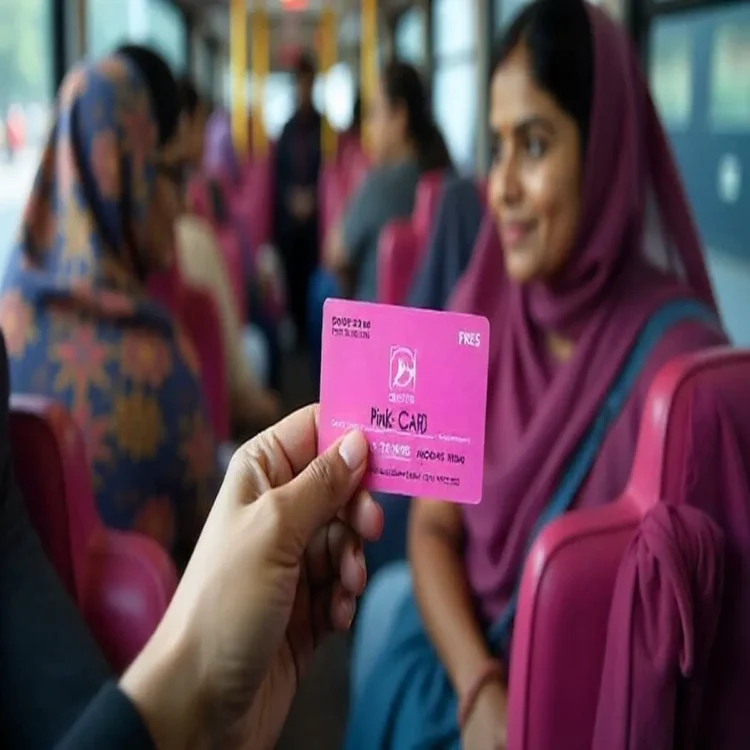
Transport – More than five lakh women in Delhi have already enrolled in the government’s Pink Saheli Smart Card programme, marking a significant milestone for the initiative aimed at improving access to public transport. According to official figures, over 5.3 lakh cards are currently active, reflecting steady usage across the city’s bus network.
Growing Confidence in Public Transport
Chief Minister Rekha Gupta noted that the widespread adoption of the card points to increasing trust among women commuters. She highlighted that when public transport becomes safer and more accessible, it naturally encourages greater participation in education and employment. Improved mobility, she said, plays a crucial role in supporting women’s independence and contributes to the broader vision of urban development.
The scheme has gradually become a part of daily life for many residents, particularly those who rely heavily on buses for commuting. Officials believe the rising number of users signals a positive shift in how women perceive safety and convenience in the capital’s transport system.
How the Smart Card System Works
The Pink Saheli Smart Card is based on the National Common Mobility Card framework, allowing users to access transport services through a simple tap-and-go method. Instead of purchasing paper tickets, passengers can tap the card on electronic ticketing machines when boarding buses.
The card provides free bus travel for women and transgender individuals, while also offering the flexibility of paid usage on the Metro and other transport services. This integration makes it a comprehensive mobility solution, reducing the need for multiple tickets or payment methods.
Eligible residents aged five years and above can apply for the card, ensuring that a wide section of the population benefits from the scheme.
Digital Features Improve Transparency
Beyond basic travel access, the card includes several digital features designed to enhance user experience. Commuters can recharge their cards online and monitor their travel history, helping maintain transparency in usage.
Transport authorities have also benefited from the digital system, as it provides better data on passenger movement. This information can be used to improve route planning, optimize services, and make informed policy decisions.
Officials say such technological integration is an important step toward modernizing public transport infrastructure in Delhi.
Financial Relief for Households
Apart from convenience, the scheme has had a noticeable economic impact. Experts estimate that beneficiaries save between ₹1,200 and ₹2,400 each month on travel expenses.
These savings can make a meaningful difference, particularly for families that depend on daily commuting for work or education. By reducing transportation costs, the initiative indirectly supports household budgets and improves financial stability.
Looking Ahead
The Delhi government expects the Pink Saheli Smart Card programme to expand further in the coming years. With increasing adoption and continued improvements in service delivery, officials are optimistic about its long-term impact on urban mobility.
As more women turn to public transport, the scheme is likely to play a key role in shaping a more inclusive and accessible city. Authorities believe that sustained efforts in safety, affordability, and convenience will continue to strengthen participation and trust among commuters.