
TrafficUpdate – Delhi NCR Set for Major Expressway Connectivity Expansion
TrafficUpdate – Delhi is preparing for a major overhaul of its road network as work on six large infrastructure projects is expected to begin between October this year and April next year. The projects are designed to improve traffic movement across the National Capital Region by strengthening links between key expressways and reducing congestion on some of the busiest stretches in the city.
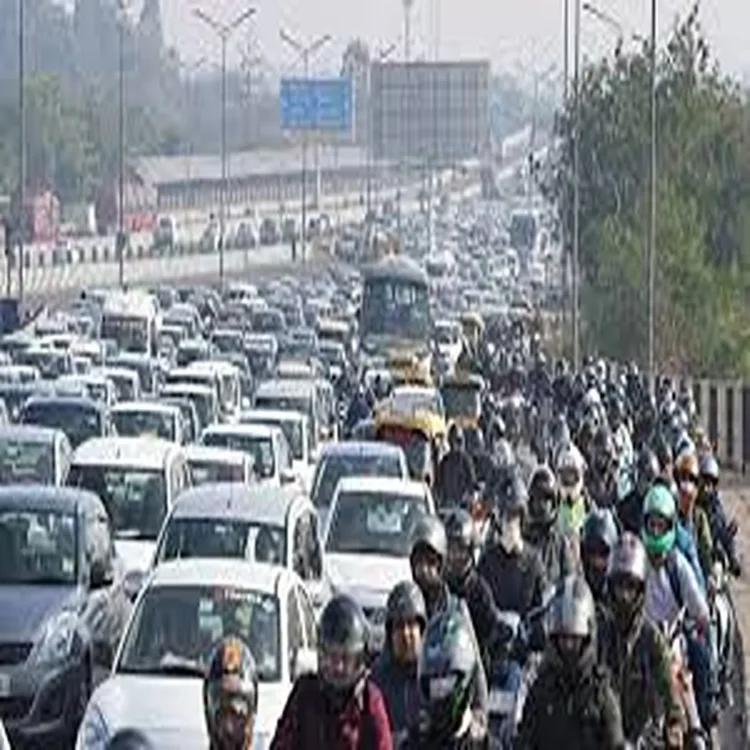
New Corridors Planned to Improve Traffic Movement
Union Road Transport and Highways Minister Nitin Gadkari announced the timeline after reviewing the progress of the six-lane access-controlled corridor connecting Ring Road at Maharani Bagh with the Delhi-Mumbai Expressway. According to officials, the upcoming projects include three important corridors that will connect Urban Extension Road II (UER II) with the Delhi-Dehradun Expressway and the Delhi-Katra Expressway.
Authorities believe these new routes will significantly improve travel time for commuters moving between Delhi, Haryana, Uttar Pradesh and nearby NCR regions. The planned corridors are also expected to ease pressure on heavily congested urban roads that currently handle high daily traffic volumes.
Airport and Expressway Connectivity to Get Stronger
The highway under review is also expected to provide direct connectivity to the upcoming Noida International Airport at Jewar along with smoother access to the Delhi-Mumbai Expressway. Officials indicated that the project is nearing completion and could soon be opened to the public.
The improved network is expected to benefit commercial transport, private vehicles and airport-bound traffic by reducing bottlenecks on existing city roads. Transport planners have long viewed better integration between Delhi’s ring roads and national expressways as essential for handling growing vehicle numbers across the NCR.
Three Delhi Corridors to Become Signal-Free Routes
During the review meeting, senior representatives from both Delhi and Haryana governments were present, including Delhi Chief Minister Rekha Gupta and several Union ministers.
Gadkari stated that three major stretches in Delhi, recently transferred to the National Highways Authority of India, will be redeveloped into six-lane signal-free express connectors. Construction on these stretches is likely to begin in December.
The planned routes include the Ashram to Badarpur corridor, the Punjabi Bagh to Tikri Border stretch and the Vasant Kunj to Faridabad road. These corridors are considered critical because they connect residential areas, industrial zones and interstate routes frequently used by daily commuters and freight vehicles.
Officials expect the redesign of these roads into uninterrupted traffic corridors to help reduce delays caused by traffic lights and local bottlenecks.
Secondary Roads Planned Along UER II
The Centre also plans to construct secondary service roads along both sides of UER II to improve local accessibility. The proposed project is estimated to cost around ₹6,400 crore.
These two-lane service roads are expected to help residents, local businesses and commercial establishments gain smoother access to the main expressway network without disrupting high-speed traffic movement on the primary carriageway.
UER II, officially identified as NH-344M, stretches around 75.7 kilometres and functions as Delhi’s third Ring Road. The route begins at Alipur and passes through areas including Rohini, Mundka, Najafgarh and Dwarka before ending near Mahipalpur on the Delhi-Gurgaon Expressway.
Landfill Waste to Be Used in Road Construction
In a move aimed at improving environmental sustainability, Gadkari also announced that inert material from Delhi’s sanitary landfill sites will be used in upcoming road construction projects instead of traditional soil.
Officials said the decision could help address two major challenges simultaneously — reducing landfill waste and lowering the demand for natural earth materials used in large infrastructure developments.
The government believes the combination of new express connectors, airport access routes and upgraded urban corridors will strengthen regional mobility and support future traffic demand across Delhi NCR.