
Traffic – Delhi Civic Body Collects Over Rs 80 Crore Environment Charge
Traffic – The Municipal Corporation of Delhi (MCD) has reported a substantial collection of more than Rs 80 crore as environment compensation charge (ECC) from commercial vehicles entering the capital between January 1 and April 20 this year. The data reflects the city’s ongoing efforts to regulate vehicular emissions and manage air quality.
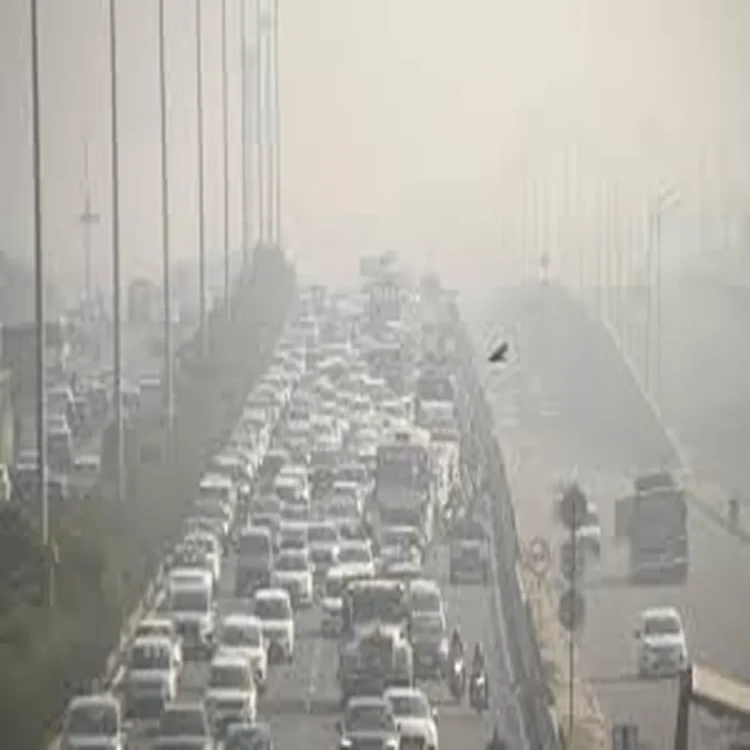
ECC Collection Reflects High Commercial Vehicle Movement
According to figures available on the civic body’s toll monitoring dashboard, a total of Rs 80,43,86,000 was collected under ECC during the stated period. The charge was applied uniformly, with no exemptions or concessions granted to any category of vehicles.
During these nearly four months, as many as 4,00,672 commercial vehicles were recorded across 116 entry points into Delhi. These vehicles primarily included trucks, multi-axle carriers, and goods transport vehicles that are mandated to pay the ECC upon entering the city limits.
Combined Toll and ECC Revenue Crosses Rs 200 Crore
In addition to ECC, the MCD also collected regular toll charges from incoming vehicles. Toll revenue alone reached Rs 1,04,35,94,100 during the same timeframe. When combined with ECC and other applicable charges, the total revenue generated by the civic body stood at Rs 2,12,42,69,300.
Officials noted that commercial transport vehicles contribute significantly to both toll and ECC collections. From this category alone, the toll component accounted for Rs 23,92,08,100, highlighting the scale of freight movement into the national capital.
No Exemptions Granted During the Period
The data further confirms that the ECC policy was enforced without exception. No vehicle categories were granted relief, and there was no recorded waiver amount throughout the reporting period. This strict implementation is part of a broader strategy aimed at ensuring compliance and maintaining consistency in environmental regulations.
Authorities emphasized that the ECC is specifically designed to discourage unnecessary entry of heavy vehicles into Delhi, especially those that contribute to worsening air quality. By imposing this charge, the administration aims to limit pollution levels and encourage better logistics planning among transport operators.
Push for Modern Toll Collection Technology
In a move to improve efficiency and reduce congestion at entry points, the Municipal Corporation is preparing to upgrade its toll collection system. Officials indicated that tenders will soon be invited for the modernization project, which will introduce advanced technology for seamless toll operations.
A senior official familiar with the plan stated that the new system will be based on automatic number plate recognition (ANPR) cameras, similar to those used on national highways. This technology will enable vehicles to pass through toll points without stopping, thereby reducing waiting time and traffic buildup.
Introduction of Barrier-Free Free Flow System
As part of the modernization initiative, the MCD plans to implement a barrier-free, multi-lane free flow tolling system across its entry points. Currently, toll collection is managed at 121 locations across Delhi.
The proposed system is expected to streamline operations, minimize human intervention, and enhance transparency in revenue collection. It will also help reduce fuel consumption and emissions caused by idling vehicles at toll plazas.
Officials believe that this transition to a digital and automated framework will not only improve efficiency but also support environmental goals by promoting smoother traffic movement at city borders.