
Trade Agreement – India and Oman Set Ambitious Export Growth Path
Trade Agreement – InIndia formally launched a new phase in its trade relationship with Oman as the Comprehensive Economic Partnership Agreement (CEPA) took effect on June 1. The agreement is expected to significantly strengthen economic ties between the two countries and create fresh opportunities for businesses across multiple sectors.
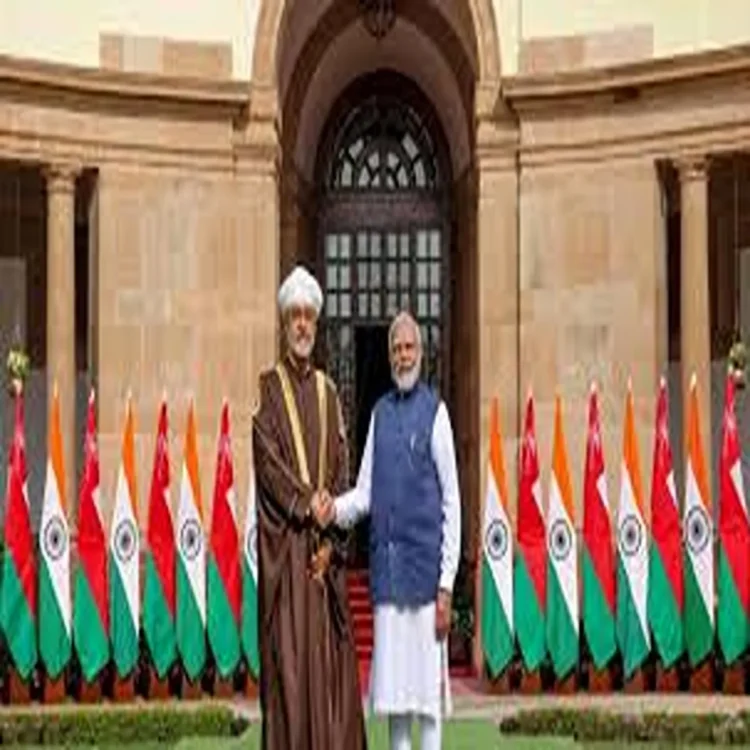
India has set a target of increasing merchandise exports to Oman by 50 percent over the next three years. Current exports, valued at approximately $4.06 billion, are expected to surpass $6 billion in the near term, while policymakers have outlined a broader objective of reaching the $10 billion mark over the medium term.
Wider Market Access for Indian Products
Under the new agreement, Oman has granted duty-free access on more than 98 percent of its tariff lines, covering nearly all Indian exports entering the Gulf nation. The move is expected to benefit several labour-intensive industries that play a vital role in India’s export economy.
Sectors likely to gain from the arrangement include gems and jewellery, textiles, leather products, footwear, sports equipment, plastics, furniture, agricultural goods, engineering products, pharmaceuticals, medical devices and automobiles. The removal of tariffs is expected to improve the competitiveness of Indian products in the Omani market.
India’s Concessions Remain Balanced
India has also agreed to reduce tariffs on a significant portion of goods imported from Oman. The tariff liberalisation covers nearly 78 percent of India’s tariff lines and accounts for more than 94 percent of imports from Oman in value terms.
However, Indian authorities have maintained safeguards for products considered strategically important or sensitive to domestic industries. In several cases, tariff reductions for Omani goods will be managed through tariff-rate quotas, ensuring a balanced approach to market access.
Sensitive Sectors Kept Protected
Certain categories have been excluded from concessions to protect domestic producers. These include several agricultural commodities such as dairy products, tea, coffee, rubber and tobacco. Precious metals including gold and silver bullion, jewellery products, and selected labour-intensive industries like footwear and sports goods have also been kept outside the scope of tariff benefits.
Additionally, imports involving various base metal scraps remain protected under the exclusion framework adopted by India.
Services Sector Expected to Benefit
Apart from merchandise trade, the agreement is expected to generate new opportunities in services. Oman imports services worth more than $12 billion annually, while India’s current share in that market remains relatively limited, highlighting substantial room for expansion.
The services package included in the agreement covers a wide range of industries such as information technology, business and professional services, audio-visual activities, research and development, education, and healthcare services.
Officials believe the framework will support stronger commercial partnerships, encourage investment and contribute to the creation of high-value employment opportunities for Indian professionals and businesses.
Improved Mobility for Skilled Professionals
One of the most notable features of the agreement is the enhanced mobility provisions for Indian workers and professionals. Oman has introduced broader commitments that make it easier for qualified professionals to work and provide services in the country.
The quota for intra-corporate transferees has been increased from 20 percent to 50 percent. Contractual service suppliers will also benefit from a longer stay period, which has been extended from 90 days to two years, with the possibility of a further two-year extension.
The agreement also offers more flexible entry conditions for professionals working in fields such as accountancy, taxation, architecture, healthcare and related services, helping strengthen professional collaboration between the two nations.
Part of India’s Wider Trade Strategy
The India-Oman CEPA was signed in December during Prime Minister Narendra Modi’s visit to Muscat. The implementation of the agreement comes as India continues to expand its network of trade partnerships worldwide.
In recent years, India has concluded major trade agreements with the United Kingdom and New Zealand, while also advancing negotiations with the European Union. These efforts form part of a broader strategy aimed at diversifying trade relationships and strengthening economic resilience amid ongoing changes in the global trading environment.