
Tourism – Delhi Plans Cultural Events and Night Economy to Boost Heritage Appeal
Tourism – Delhi is preparing to expand its cultural landscape with new initiatives aimed at strengthening tourism, supporting local artists, and creating more opportunities for businesses while preserving the capital’s unique identity.
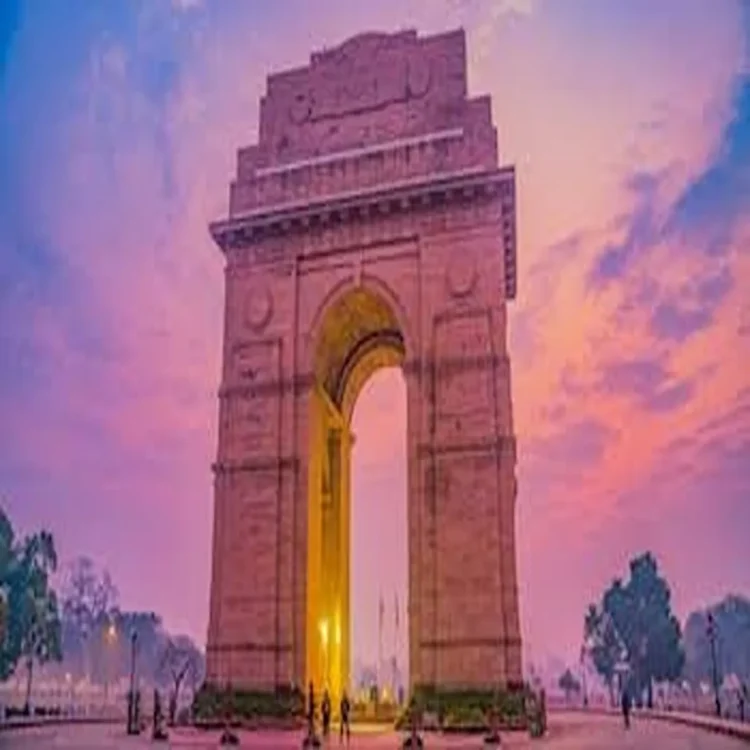
Lieutenant Governor Taranjit Singh Sandhu has proposed a comprehensive plan to transform Delhi into a destination known for internationally recognised cultural events and a more vibrant night economy. During a meeting on Wednesday with officials from the Delhi Development Authority (DDA) and the tourism department, he said these efforts could help present the capital’s rich heritage to a wider audience while creating long-term benefits for artists, performers, and local enterprises.
Focus on International-Standard Cultural Events
Sandhu suggested that Delhi should establish its own signature cultural festivals through collaborations between the government and private organisations. According to him, several leading cities around the world have successfully built their global image through recurring cultural celebrations, and Delhi has the potential to develop similar landmark events that reflect its own character.
He said such festivals could attract visitors from across India as well as overseas, contributing to tourism while encouraging investment in the city’s creative industries. Regular cultural programmes, he noted, would also provide consistent platforms for artists and performers to showcase their talent.
Strengthening the City’s Night Economy
Another key proposal discussed during the meeting was the expansion of Delhi’s night economy. Sandhu said a lively evening and nighttime cultural environment is an important feature of major global capitals and can significantly improve the city’s appeal for both residents and visitors.
He explained that extending cultural and commercial activities beyond regular daytime hours could generate additional opportunities for small businesses, performers, artisans, and local entrepreneurs. A well-planned night economy, he added, can encourage greater public participation while supporting economic growth in multiple sectors.
Culture as a Driver of Growth
During the discussions, the Lieutenant Governor emphasised that culture should be viewed not only as a heritage asset but also as a source of employment, innovation, and civic engagement. He said traditional arts, crafts, design, music, and performance have the potential to create livelihoods while strengthening public appreciation for the city’s diverse cultural traditions.
Sandhu also highlighted the importance of involving citizens, young people, artists, and community groups in future cultural programmes. According to him, wider public participation would help preserve traditions while encouraging new creative ideas that reflect the spirit of modern Delhi.
Celebrating Delhi’s Diverse Identity
Describing Delhi as a city shaped by cultures from every part of the country, Sandhu said future initiatives should celebrate this diversity while maintaining the capital’s distinct identity. He encouraged officials to study successful international models and adapt suitable practices without losing the city’s historical and cultural uniqueness.
He stressed that any future projects should balance innovation with preservation, ensuring that development complements Delhi’s long-standing heritage rather than replacing it.
Expanding Heritage Activities Across Public Spaces
The Lieutenant Governor also directed the Delhi Development Authority to examine how its existing public spaces could be used more effectively for cultural programmes. He suggested organising regular art exhibitions, public performances, heritage-themed activities, and creative installations at suitable locations across the city.
In addition, he called for expanding heritage walks and similar public engagement programmes. Such initiatives, he said, can help residents and tourists gain a deeper understanding of Delhi’s historical landmarks, architecture, and cultural legacy while encouraging greater appreciation for the city’s past.
Departments Asked to Prepare Action Plan
Concluding the meeting, Sandhu instructed the concerned departments to identify practical measures that could convert the discussions into implementable projects over the coming months. He said coordinated planning and timely execution would be essential for creating meaningful cultural initiatives that benefit the public, strengthen tourism, and contribute to Delhi’s long-term development.