
TerrorCase – Bombay High Court Clears Four in 2006 Malegaon Blasts Case
TerrorCase – The Bombay High Court on Wednesday set aside charges against four individuals accused in the 2006 Malegaon bombings, bringing a significant turn in a case that has seen multiple investigative shifts over nearly two decades. The court also nullified a previous order by a special court that had framed charges against them.
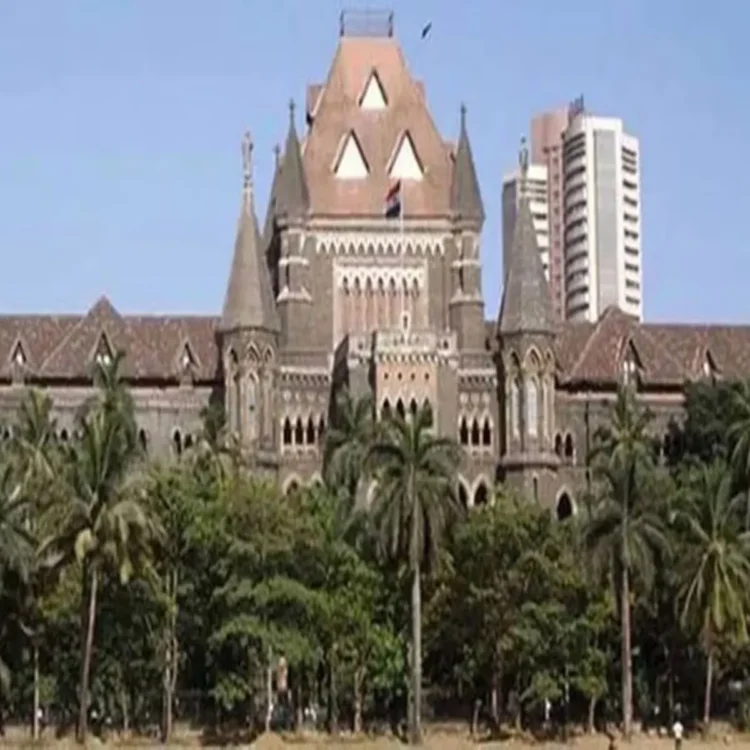
Court Overturns Special Court Decision
A division bench led by Chief Justice Shree Chandrashekhar and Justice Shyam Chandak allowed appeals filed by Rajendra Chaudhary, Dhan Singh, Manohar Ram Singh Narwaria, and Lokesh Sharma. The judges ruled in favor of the accused, effectively discharging them from the case. The detailed reasoning behind the decision is expected to be released in due course.
The four men had earlier been charged under serious provisions of the Indian Penal Code, including murder and criminal conspiracy, along with sections of the Unlawful Activities (Prevention) Act. The High Court’s ruling removes these charges entirely, marking a critical development in the long-running case.
Background of the 2006 Blasts
The Malegaon blasts occurred on September 8, 2006, in Maharashtra’s Nashik district. A series of four explosions rocked the town shortly after Friday prayers. Three of the blasts took place within the premises of Hamidia Masjid and the adjacent Bada Kabrastan, while another explosion occurred at Mushawarat Chowk.
The attacks resulted in the deaths of 31 people and left over 300 others injured, making it one of the most serious terror incidents in the region at the time. The scale of the tragedy prompted immediate investigations by multiple agencies.
Shift in Investigation Over the Years
Initially, the Maharashtra Anti-Terrorism Squad (ATS) handled the case and arrested nine Muslim men, alleging their involvement in the blasts. However, the direction of the investigation changed when the National Investigation Agency later took over the case.
The NIA concluded that the blasts were carried out by right-wing extremist elements and subsequently arrested the four men who were discharged by the High Court this week. This shift in investigative findings had already led to the discharge of the nine men earlier accused by the ATS.
Legal Challenges and High Court Intervention
In September last year, a special court had framed charges against the four accused, prompting them to approach the High Court. They argued that the prosecution had failed to provide sufficient evidence to justify the charges against them.
Earlier this year, in January, the High Court admitted their petitions and temporarily halted proceedings in the trial court. The bench had observed that there appeared to be grounds for judicial interference, signaling that the case required closer scrutiny.
Following a detailed hearing, the court has now concluded that the charges could not be sustained, resulting in the discharge of all four individuals.
Questions Around Evidence and Prosecution
A key argument presented by the accused was the alleged lack of credible evidence from the investigating agency. Their legal representatives maintained that the case against them was not supported by concrete proof, which ultimately weighed in their favor.
The High Court’s decision underscores the importance of evidentiary standards in criminal trials, especially in cases involving serious charges under anti-terror laws. The ruling may also prompt further discussion about the handling and direction of long-standing investigations.
Awaiting Detailed Judgment
While the verdict has been delivered, the detailed order is still awaited. Legal experts expect that the written judgment will provide deeper insights into the court’s reasoning, particularly regarding the evaluation of evidence and procedural aspects of the case.
The Malegaon blast case has remained under public and legal scrutiny for years, and this latest development is likely to have broader implications for related proceedings and ongoing discussions about investigative accountability.